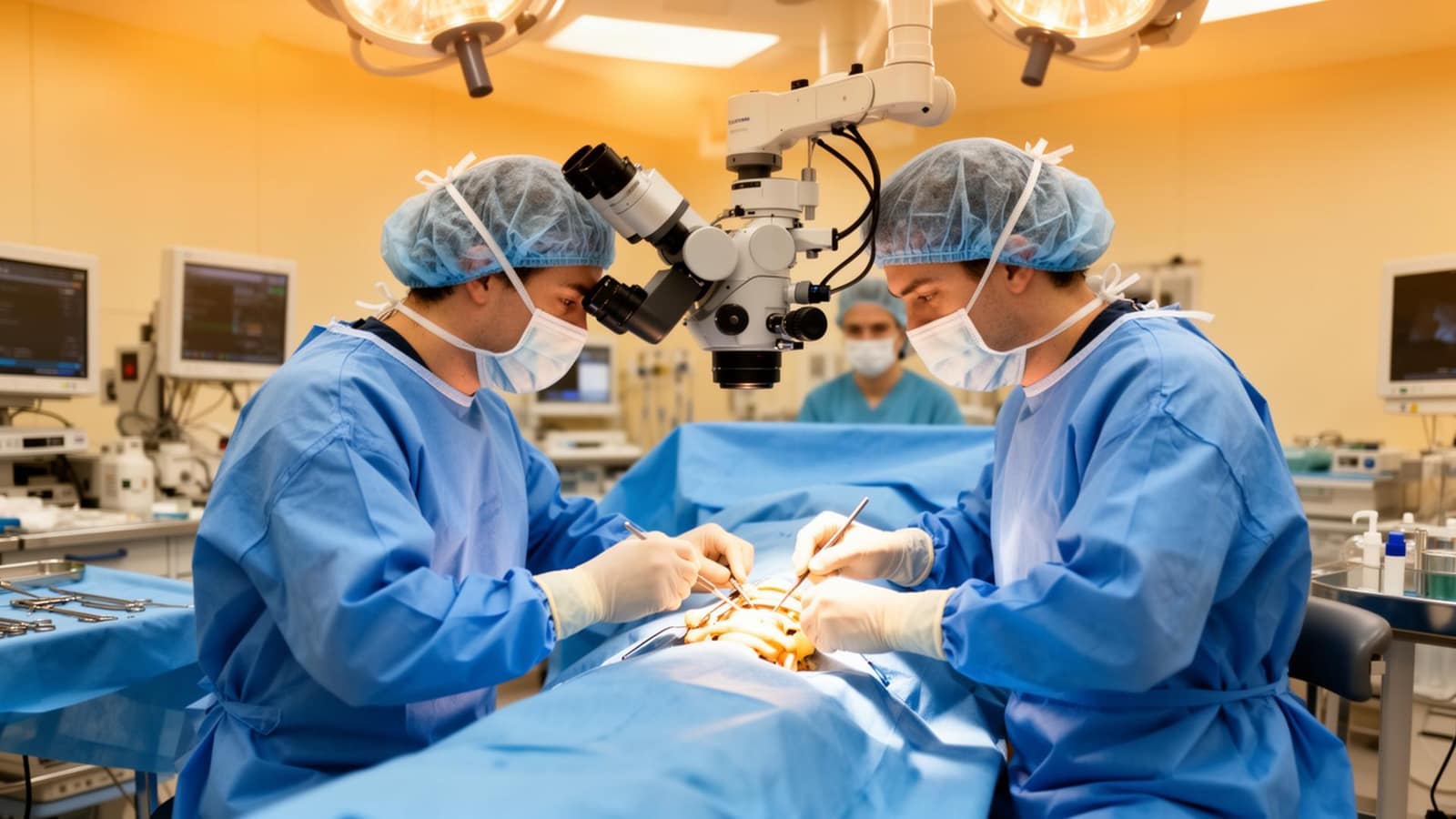
Spine Surgery Services
Our board-certified neurosurgeons offer a full spectrum of spine surgeries — from minimally invasive discectomy to complex multilevel fusion. Serving Hampton, GA and all of Southern Georgia.
Spine Surgeries We Perform
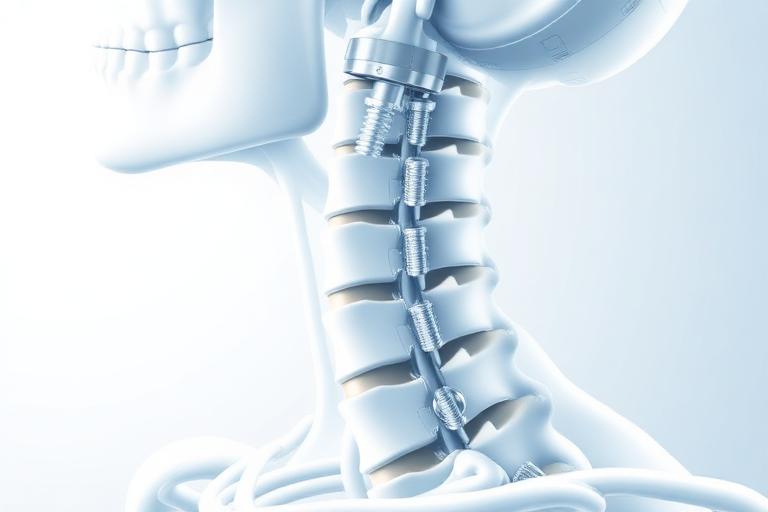
Anterior & Posterior Cervical Fusion
Surgical fusion of cervical vertebrae from the front (anterior) or back (posterior) of the neck to treat herniated discs, spinal cord compression, and cervical instability. ACDF achieves 93–97% arm pain relief and 73–83% neck pain improvement in published clinical studies.
- 93–97% arm pain relief
- 1–2 inch incision
- Same-day or next-day discharge
- Fusion rate > 95%
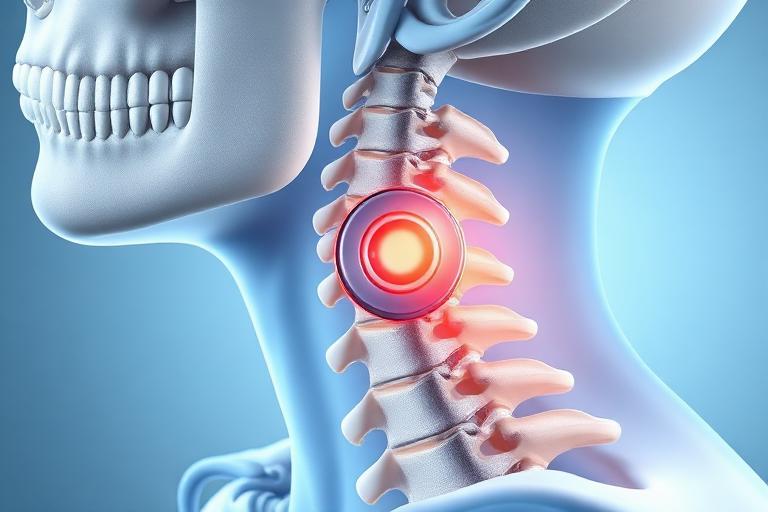
Cervical Arthroplasty (Disc Replacement)
Motion-preserving cervical disc replacement that replaces a damaged neck disc with an artificial implant instead of fusing the vertebrae. FDA trials show 7-year outcomes with lower reoperation rates (2.9%) compared to fusion (11.3%) at adjacent levels.
- Preserves 8–12° neck motion
- 2.9% adjacent-level reoperation
- No bone graft needed
- Faster return to activities
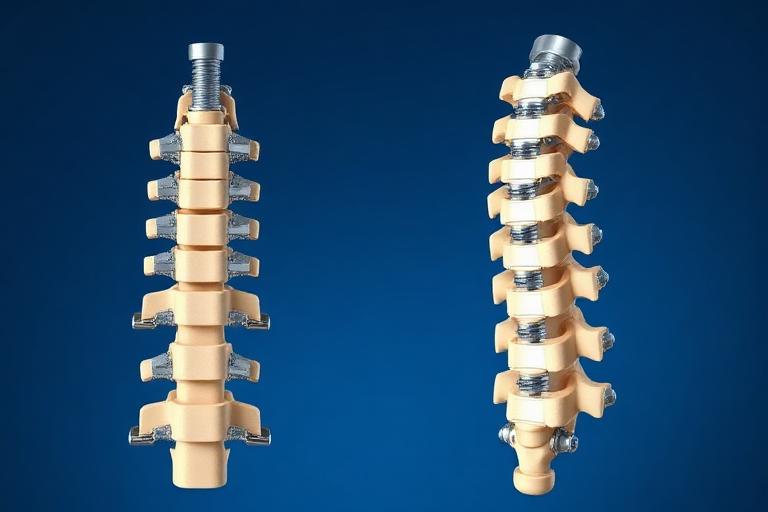
Anterior & Posterior Spinal Fusion
Comprehensive spinal fusion using ALIF (anterior), PLIF/TLIF (posterior), or XLIF/OLIF (lateral) approaches. Published data shows 85–90% patient satisfaction and solid fusion rates of 90–95% at 12 months with modern instrumentation.
- 85–90% patient satisfaction
- 90–95% fusion rate at 1 year
- Multiple approach options
- MIS techniques available
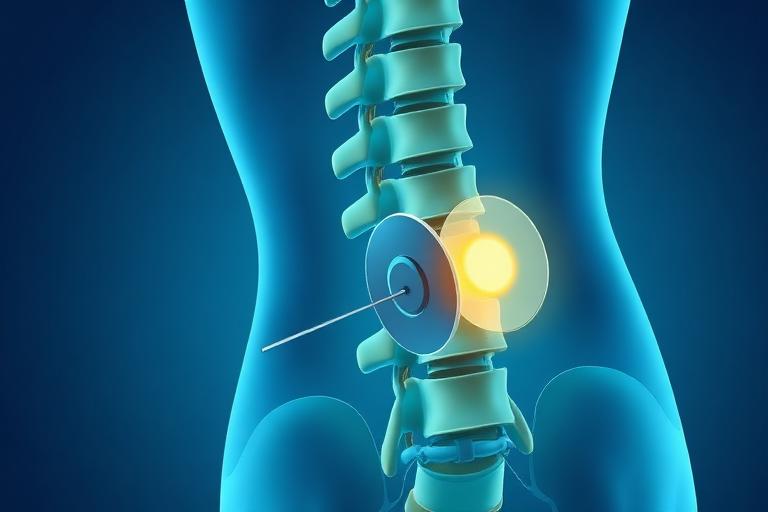
Lumbar Discectomy (Microdiscectomy)
Minimally invasive removal of herniated lumbar disc material pressing on spinal nerves. The SPORT trial (Spine Patient Outcomes Research Trial) demonstrated 84% significant improvement in leg pain at 4 years. Performed through a < 1-inch incision.
- 84% significant improvement (SPORT trial)
- Outpatient procedure
- < 1-inch incision
- Return to activities in 2–4 weeks
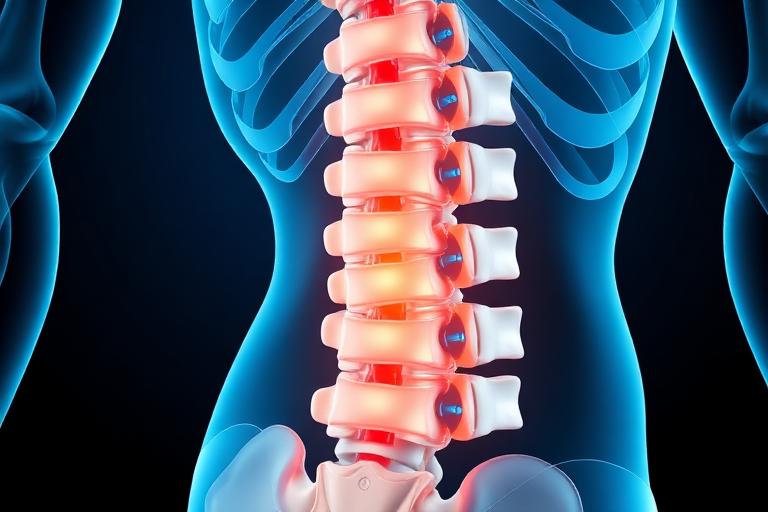
Lumbar Decompression (Laminectomy)
Surgical removal of bone and tissue compressing spinal nerves to treat lumbar spinal stenosis. The SPORT trial showed 63–67% of surgical patients reported major improvement at 8 years vs. 43–47% treated non-operatively. Walking distance improves by an average of 3× post-surgery.
- 63–67% major improvement at 8 years
- Walking distance improves 3×
- MIS options available
- Long-lasting results
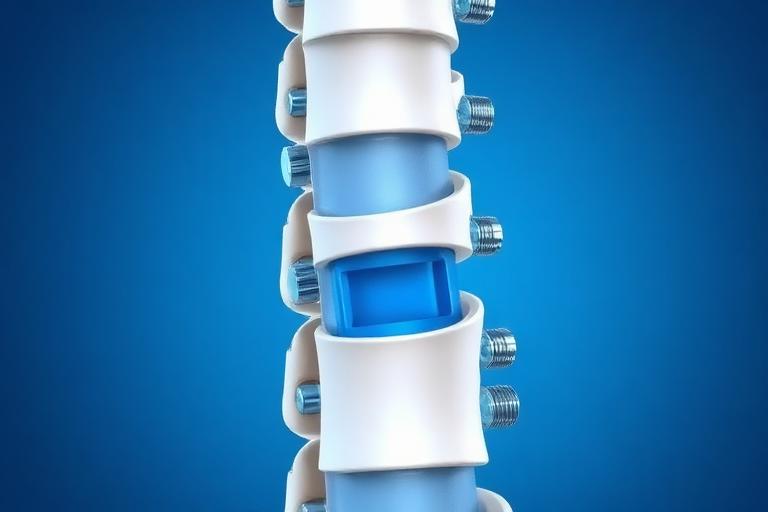
Lumbar Fusion with Instrumentation
Posterior lumbar fusion using pedicle screws, rods, and interbody cages (PLIF/TLIF) to stabilize the lumbar spine. MIS-TLIF reduces blood loss by 68% and hospital stay by 1.4 days compared to open TLIF, with equivalent fusion rates of 92–96%.
- 92–96% fusion rate
- MIS-TLIF: 68% less blood loss
- 1.4 fewer hospital days (MIS)
- Effective for multilevel disease
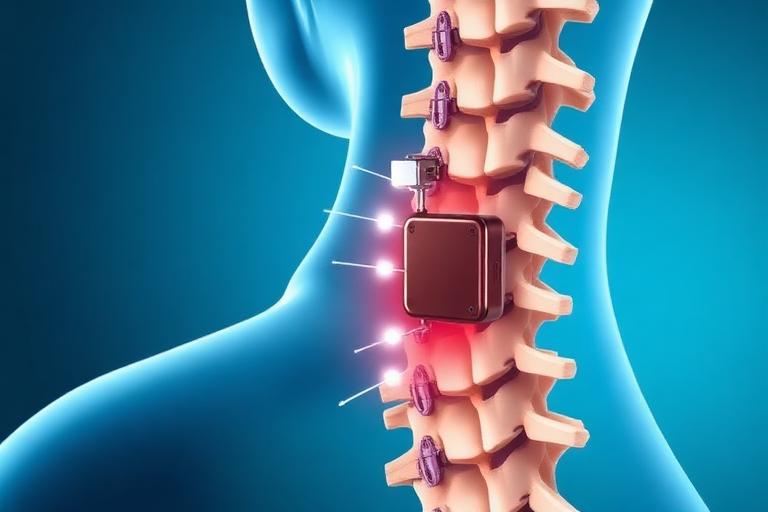
Spinal Cord Stimulator Placement
Implantable device that delivers low-level electrical signals to interrupt chronic pain before it reaches the brain. Clinical trials demonstrate 50–70% pain reduction in appropriately selected patients, with 80% trial-to-permanent conversion rates. Features a risk-free trial period.
- 50–70% average pain reduction
- 80% trial-to-permanent conversion
- Adjustable and reversible
- Reduces opioid dependency by 50%+
Spine Treatment by the Numbers
Our treatment recommendations are guided by the largest clinical studies in spine surgery, including the landmark SPORT trial and FDA IDE trials.
SPORT Trial Data
The Spine Patient Outcomes Research Trial is the largest randomized study of surgical vs. non-operative spine treatment, following 2,500+ patients for up to 8 years.
- 84% improvement — microdiscectomy
- 63–67% major improvement — laminectomy at 8 years
- 3× walking distance improvement post-decompression
Minimally Invasive Advantages
Published meta-analyses comparing MIS to open techniques consistently demonstrate meaningful clinical benefits for appropriately selected patients.
- 68% less blood loss (MIS-TLIF)
- 1.4 fewer hospital days
- 40% less post-op pain medication
- Equivalent fusion rates (92–96%)
Motion Preservation Evidence
FDA IDE trials with 7+ year follow-up demonstrate the long-term advantages of cervical arthroplasty over fusion for single-level disease.
- 2.9% vs 11.3% adjacent-level reoperation
- 100% motion preservation at treated level
- < 5% device revision rate
- Superior NDI scores at 7 years
Statistics from published peer-reviewed studies including the SPORT trial (JAMA/NEJM), FDA IDE cervical arthroplasty trials, and meta-analyses of minimally invasive spine surgery. Individual outcomes vary based on patient factors and condition severity.
MRI Review for Spine Conditions
Not sure if you need spine surgery? Our neurosurgeons offer MRI reviews to help you understand your options — in person or via telemedicine.
Request Your MRI ReviewAdvanced Techniques for Better Outcomes
We specialize in two advanced surgical philosophies that prioritize your recovery and long-term quality of life.
Minimally Invasive Surgery
Our surgeons use state-of-the-art microscopic and tubular retractor techniques to perform complex spine procedures through incisions often less than one inch. This approach minimizes tissue disruption, reduces blood loss, and accelerates healing.
Procedures Available
- Microdiscectomy (MIS)
- MIS Lumbar Decompression
- MIS-TLIF Lumbar Fusion
- Tubular Laminectomy
- Endoscopic Spine Surgery
Ideal for: Herniated discs, spinal stenosis, degenerative disc disease, and patients seeking faster recovery times.
Motion Preservation Surgery
Unlike traditional fusion that locks vertebrae together, motion preservation surgery replaces damaged discs with artificial implants that mimic the natural movement of your spine. This protects adjacent segments from accelerated degeneration.
Procedures Available
- Cervical Arthroplasty (Artificial Disc)
- Lumbar Disc Replacement
- Interlaminar Stabilization Devices
- Dynamic Stabilization
- Hybrid Fusion + Motion Preservation
Ideal for: Younger, active patients with single or two-level disc disease who want to preserve neck mobility and avoid adjacent segment disease.
Related Spine Conditions
Herniated Disc
Bulging or ruptured disc causing nerve compression and sciatica.
Spinal Stenosis
Narrowing of the spinal canal causing leg pain and walking difficulty.
Degenerative Disc Disease
Age-related disc deterioration causing chronic back pain.
Spondylolisthesis
Vertebral slippage causing back pain and nerve compression.
Cervical Disc Disease
Disc degeneration in the neck causing arm pain and weakness.
Spinal Cord Tumors
Tumors within or around the spinal cord requiring surgical treatment.
Spine Health Resources
Spine Surgery FAQ
A Closer Look at Nova Brain & Spine
Explore our facility, meet our team, and discover the advanced care we bring to patients across Southern Georgia.
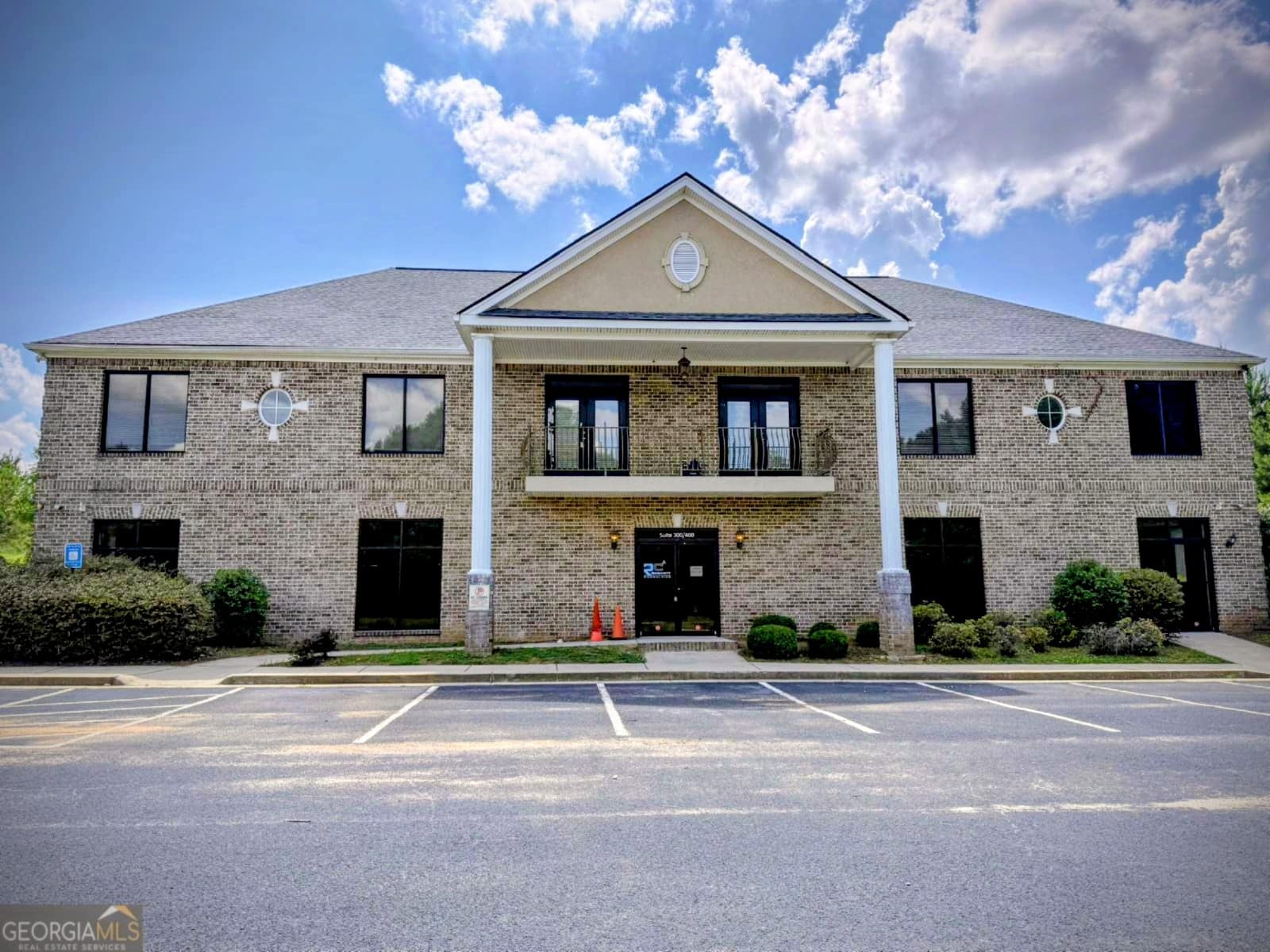
Our Hampton Facility
A modern, patient-centered facility designed for comfort and accessibility. Conveniently located off I-75 in Hampton, Georgia.
Get DirectionsWelcoming Entrance
Easy access with ample parking and wheelchair accessibility for all patients visiting our neurosurgery practice.
Request Appointment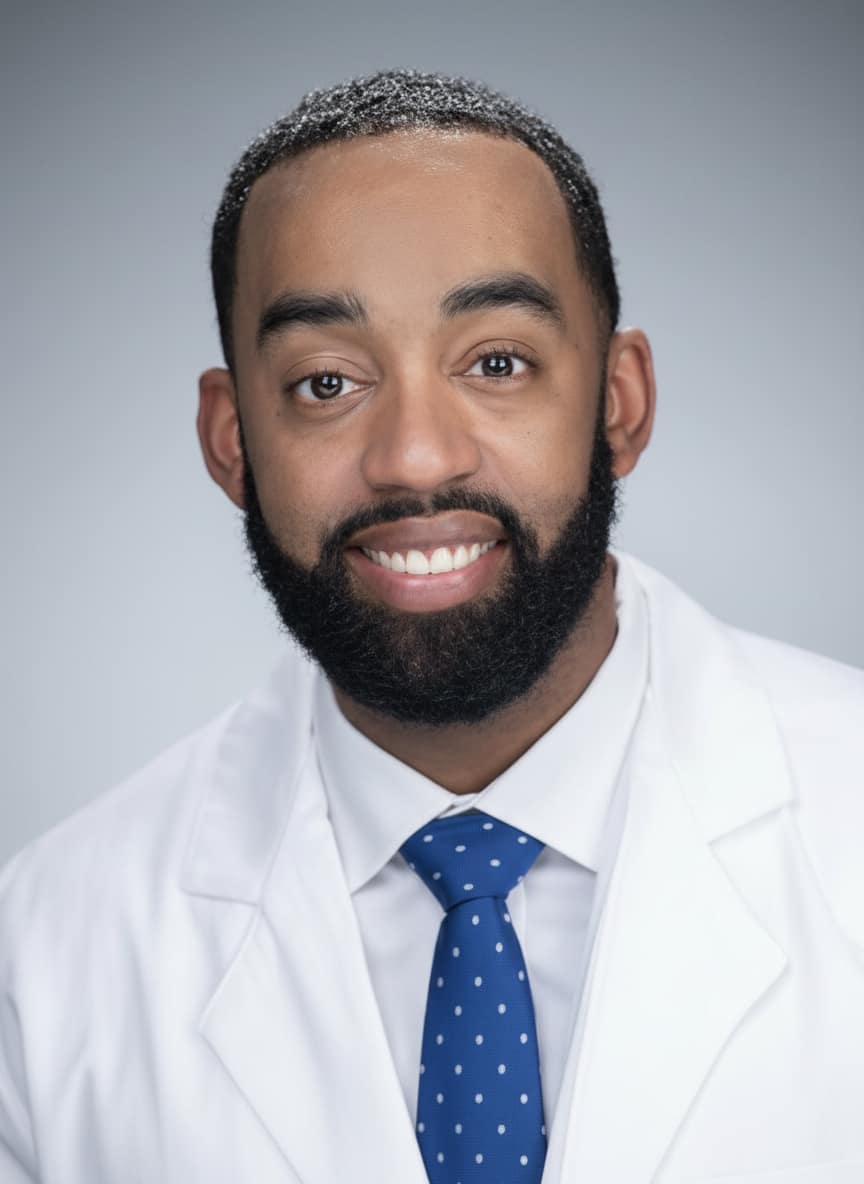
Dr. Jerry Walters II
Board-certified neurosurgeon specializing in complex brain and spine surgery with personalized, family-first care.
Meet Our Doctors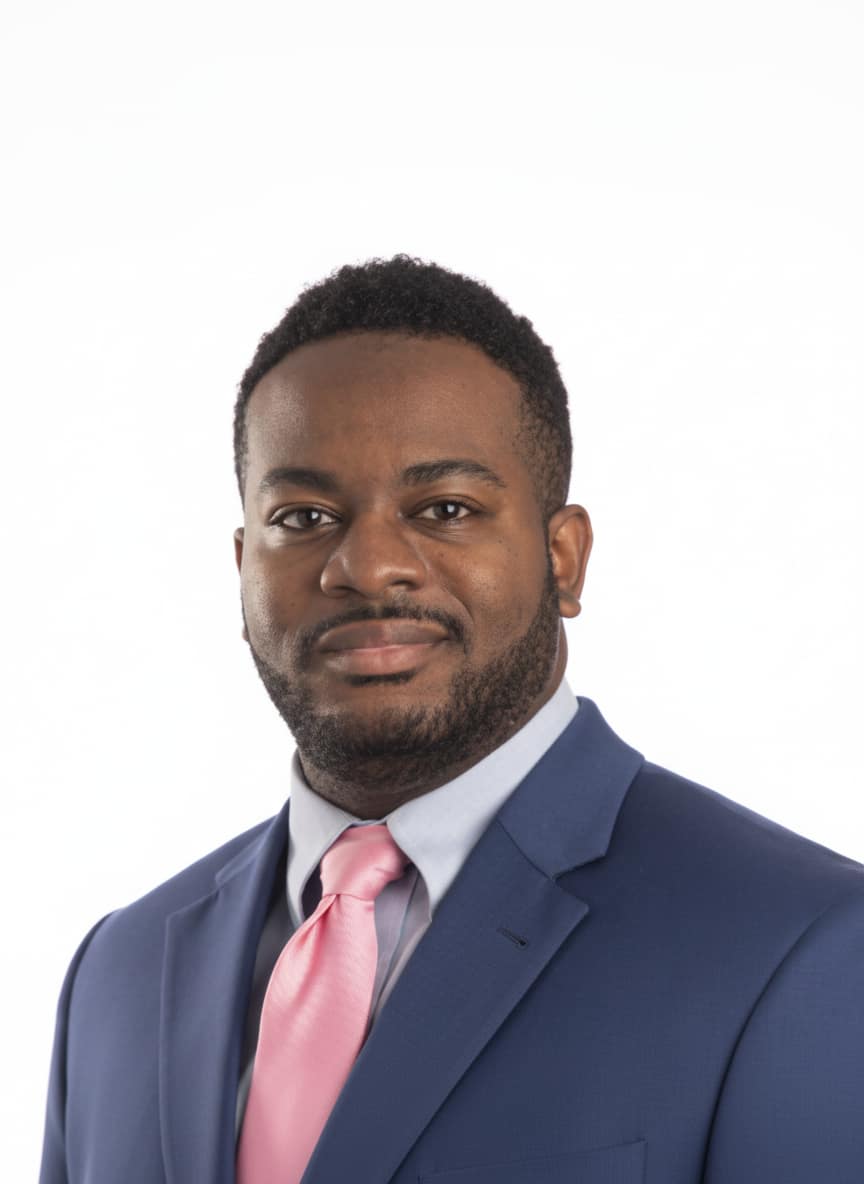
Dr. Marcus Stephens
Fellowship-trained neurosurgeon delivering advanced minimally invasive spine and brain treatments.
View Profiles
Serving Hampton & Beyond
Conveniently located for patients across Southern Georgia, Stockbridge, McDonough, Jonesboro, and Atlanta.
View Locations
Local to Atlanta Metro
Just south of Atlanta with easy access from I-75, making expert neurosurgery care accessible to the entire metro area.
See Service Areas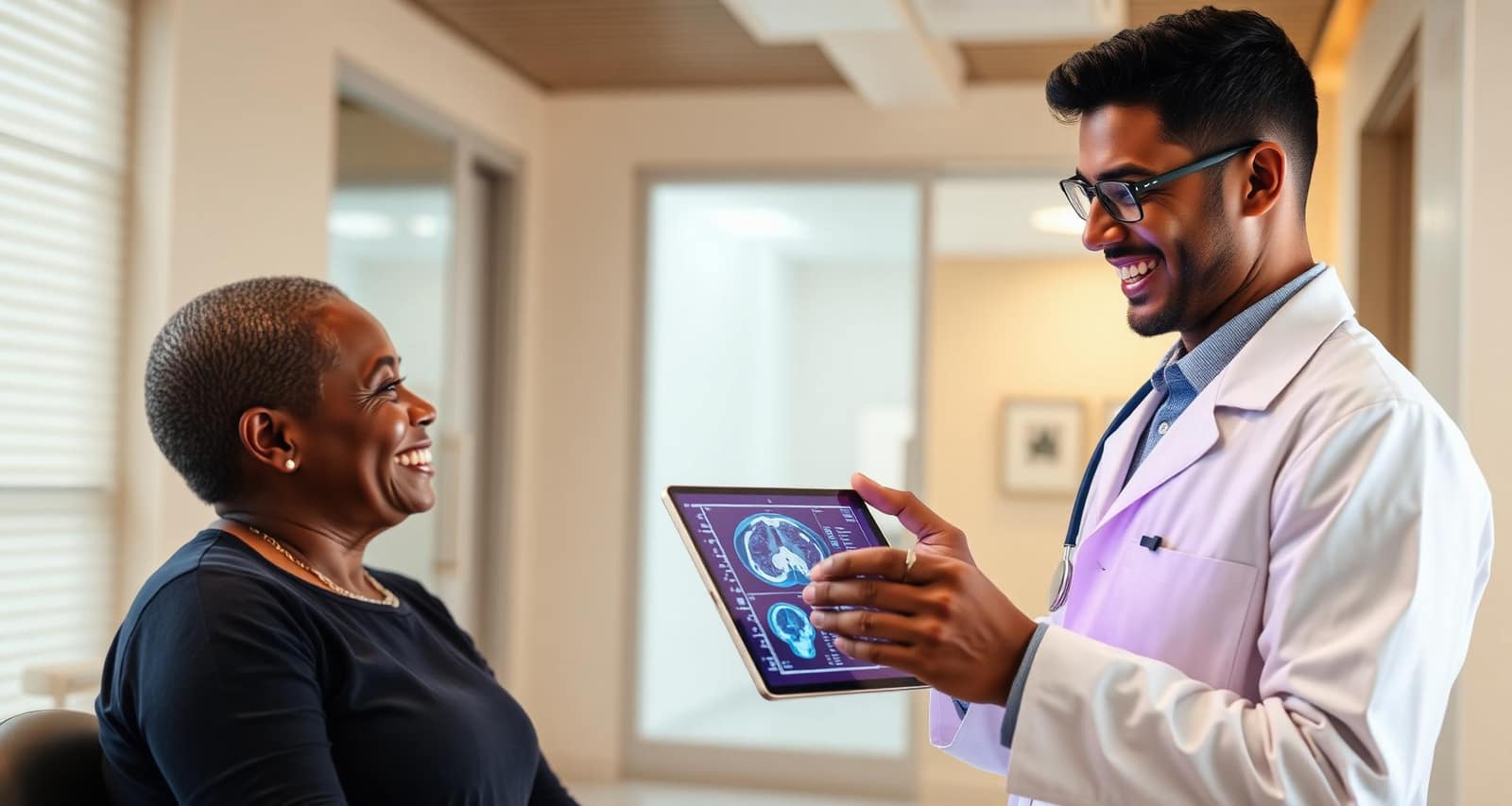
Expert Diagnosis
Advanced imaging review and second opinions for brain tumors, herniated discs, spinal stenosis, and more.
MRI Review
Advanced Surgical Care
Minimally invasive techniques for faster recovery, smaller incisions, and excellent outcomes in brain and spine surgery.
View Procedures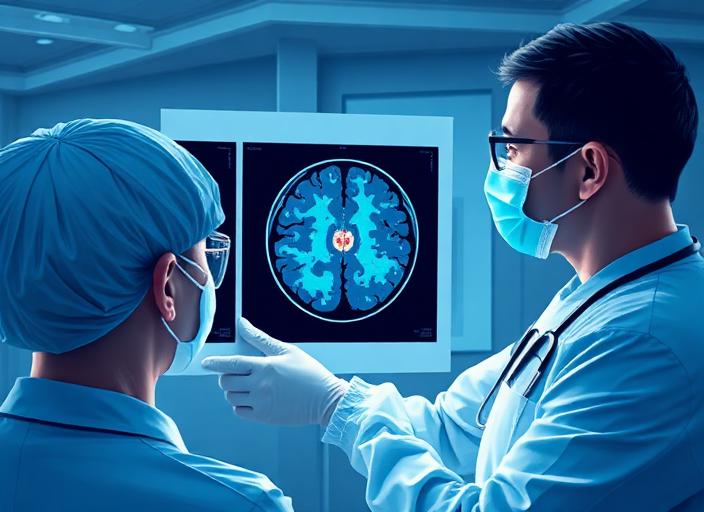
Brain Tumor Surgery
Microsurgical craniotomy with neuronavigation and awake surgery when indicated. Gross total resection rates of 70–98%.
Learn MoreCervical Fusion (ACDF)
Gold-standard neck surgery with 93–97% arm pain relief and same-day or next-day discharge for most patients.
View DetailsLumbar Discectomy
Minimally invasive removal of herniated disc material through a sub-1-inch incision. 84% significant improvement per SPORT trial.
View DetailsComprehensive Spine Care
From artificial disc replacement to spinal fusion and spinal cord stimulators — every treatment customized to your needs.
Spine Services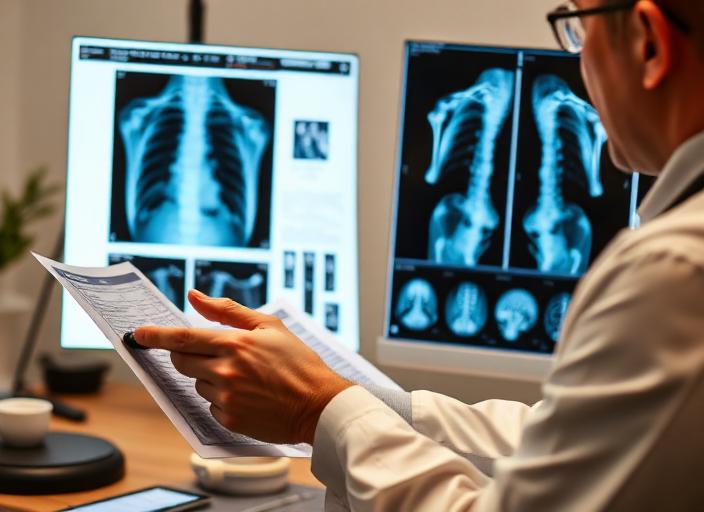
Personal Injury Care
Expert medical evaluation, documentation, and treatment for auto accidents and personal injury cases throughout Georgia.
Learn More
Workers' Compensation
Comprehensive work-injury evaluation and treatment with detailed documentation to support your claim and recovery.
Learn More
Corporate Wellness
Partner with us for executive physicals, ergonomic assessments, and workplace injury prevention programs.
Learn More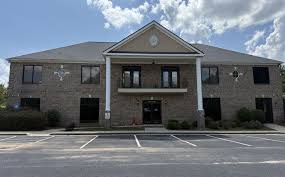
Ample Patient Parking
Dedicated parking with easy building access so every visit is stress-free from arrival to check-in.
Request Appointment
700 Manassas Street
Suite 300 in Hampton, GA. Fully accessible with clear signage and a professional, welcoming environment.
Get DirectionsSchedule Your Spine Consultation
Whether you need a second opinion, MRI review, or are ready for treatment, our board-certified neurosurgeons are here to help.
Spine Care Across Georgia
Explore our brain services, accepted insurance plans, and the Georgia communities where we treat spine patients.
Brain and Spine Specialists of Georgia provides spine surgery and neurosurgical brain care to patients throughout metro Atlanta and Middle Georgia, including Hampton, Lovejoy, McDonough, Stockbridge, Fayetteville, Griffin, and surrounding communities. We accept most major insurance plans including Medicare, Medicaid, Blue Cross Blue Shield, Aetna, Cigna, United Healthcare, Humana, and Tricare.
Two Board-Certified Neurosurgeons
Both of our neurosurgeons evaluate patients for spine surgery and minimally invasive procedures at our Hampton, Georgia office and by telemedicine across South Metro and Central Georgia.

Jerry Walters II, MD
Founder & Brain and Spine Surgeon
Neurosurgeon, Spine Specialist & Brain Surgery Treatments, Nerve Root Injury and Plexus Disorders (incl. Pinched Nerve)

Marcus Stephens, MD
Founder & Brain and Spine Surgeon
Neurosurgery, Skull Based Surgeries, Spine Surgery, Concussion Evaluations & Treatments
Not sure which neurosurgeon fits your case? Compare both providers or send your MRI for a second opinion review.