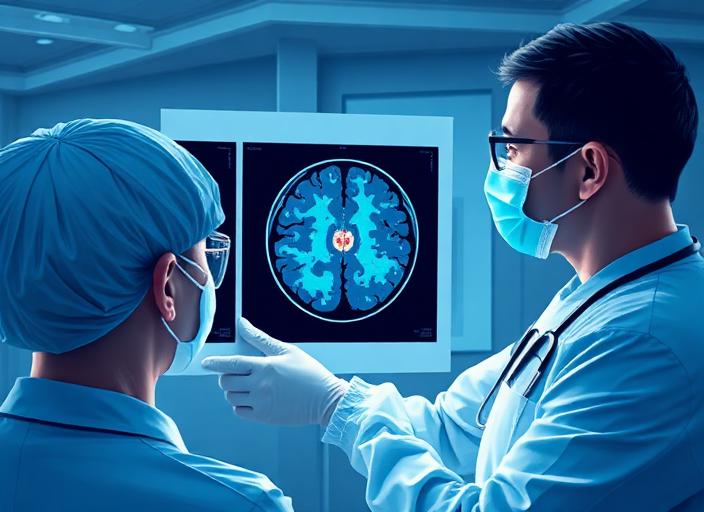
Brain Surgery Services
Our board-certified neurosurgeons offer the full spectrum of brain surgery — from minimally invasive pituitary surgery to complex craniotomy and deep brain stimulation. Serving Hampton, GA and all of Southern Georgia.
Brain Surgeries We Perform
Brain Tumor Surgery (Craniotomy)
Surgical removal of brain tumors using microsurgical techniques, intraoperative navigation, and awake craniotomy when indicated. Published studies report 70–98% gross total resection rates depending on tumor type, with median survival for glioblastoma increasing from 12.1 to 14.6 months with Stupp protocol (surgery + chemoradiation).
- 70–98% gross total resection
- Image-guided neuronavigation
- Awake craniotomy available
- Same-day ICU monitoring
Deep Brain Stimulation (DBS)
Implantable neurostimulation device for treatment-resistant movement disorders. The landmark DBSNS trial and EARLYSTIM trial demonstrated 50–70% improvement in motor UPDRS scores for Parkinson's disease at 5 years. Tremor reduction of 80–90% in essential tremor (STAR trial). FDA-approved for Parkinson's, essential tremor, dystonia, OCD, and epilepsy.
- 50–70% motor improvement (Parkinson's)
- 80–90% tremor reduction (ET)
- Adjustable and reversible
- FDA-approved for 5 conditions
Epilepsy Surgery
Surgical treatment for drug-resistant epilepsy including temporal lobectomy, lesionectomy, and responsive neurostimulation (RNS). The landmark RCT by Wiebe et al. (NEJM 2001) showed 58% seizure freedom at 1 year with temporal lobectomy vs. 8% with medical therapy alone. Long-term studies show 50–80% seizure freedom at 5–10 years.
- 58% seizure-free at 1 year (RCT)
- 50–80% long-term seizure freedom
- RNS for non-resectable foci
- Reduces anti-seizure medications
Pituitary Surgery (Transsphenoidal)
Minimally invasive endoscopic endonasal transsphenoidal approach for pituitary adenomas and Rathke's cleft cysts. Remission rates are 80–90% for microadenomas (< 1 cm) and 50–60% for macroadenomas (≥ 1 cm) secreting growth hormone or cortisol. Visual improvement occurs in 80–90% of patients with preoperative visual field deficits.
- 80–90% remission (microadenomas)
- No external incision
- 80–90% visual improvement
- 1–2 day hospital stay
Cerebrovascular Surgery
Surgical treatment of brain aneurysms, arteriovenous malformations (AVMs), cavernous malformations, and moyamoya disease. The ISAT trial demonstrated comparable outcomes between microsurgical clipping and endovascular coiling for ruptured aneurysms. AVM cure rates with microsurgery are 94–100% for Spetzler-Martin grades I–III.
- 94–100% AVM cure (grades I–III)
- Aneurysm clipping & coiling
- Stroke prevention
- Microsurgical expertise
Skull Base Surgery
Complex neurosurgical approaches for tumors and lesions at the skull base, including meningiomas, acoustic neuromas (vestibular schwannomas), and chordomas. Gross total resection is achieved in 70–90% of acoustic neuromas with facial nerve preservation in 90–95% of cases at experienced centers.
- 70–90% gross total resection
- 90–95% facial nerve preservation
- Hearing preservation when possible
- Multidisciplinary team approach
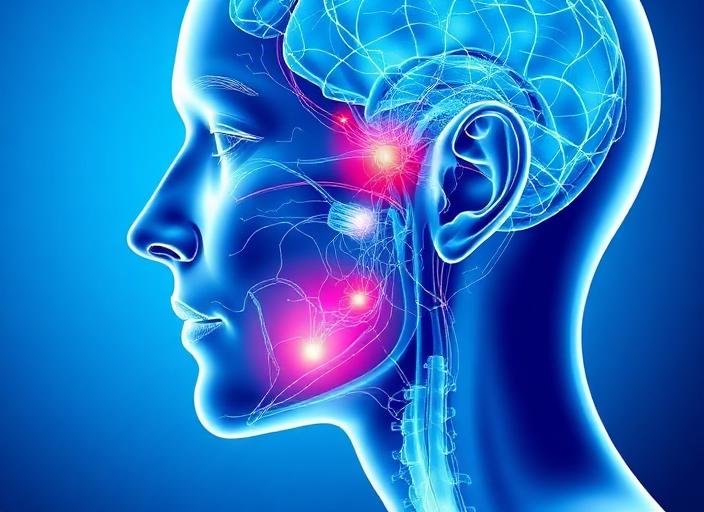
Trigeminal Neuralgia Surgery
Microvascular decompression (MVD) is the gold standard surgical treatment for trigeminal neuralgia, offering 80–90% initial pain freedom and 70–75% sustained relief at 10 years. Alternative procedures include percutaneous rhizotomy (balloon compression, glycerol, radiofrequency) and stereotactic radiosurgery.
- 80–90% initial pain freedom
- 70–75% relief at 10 years
- Addresses root cause
- Outpatient options available
Brain Surgery by the Numbers
Our treatment recommendations are guided by the highest-quality neurosurgical evidence, including landmark randomized controlled trials and FDA-approved device studies.
DBS Clinical Trial Data
Deep Brain Stimulation outcomes from the EARLYSTIM, DBSNS, and STAR trials — the largest multicenter studies of neurostimulation for movement disorders.
- 50–70% motor UPDRS improvement at 5 years (PD)
- 80–90% tremor reduction (essential tremor)
- FDA-approved for 5 conditions
- Reduces Parkinson's medication by 50%+
Epilepsy Surgery Evidence
The Wiebe RCT (NEJM 2001) established temporal lobectomy as a level 1 evidence treatment for drug-resistant temporal lobe epilepsy.
- 58% vs 8% seizure-free (surgery vs medical)
- 7× improvement over medication alone
- 50–80% long-term seizure freedom
- RNS: 50–70% seizure reduction
Tumor & Skull Base Outcomes
Modern neurosurgical techniques including neuronavigation, intraoperative MRI, and microsurgery have dramatically improved tumor resection and functional preservation rates.
- 70–98% gross total resection (craniotomy)
- 80–90% visual improvement (pituitary)
- 90–95% facial nerve preservation (skull base)
- 94–100% AVM cure (grades I–III)
Statistics from published peer-reviewed studies including the EARLYSTIM trial (Lancet Neurology), Wiebe RCT (NEJM), STAR trial, ISAT trial, and meta-analyses of neurosurgical outcomes. Individual outcomes vary based on patient factors and condition severity.
MRI Review for Brain Conditions
Not sure if you need brain surgery? Our neurosurgeons offer MRI reviews to help you understand your diagnosis and treatment options — in person or via telemedicine.
Request Your MRI ReviewAdvanced Technology for Better Outcomes
We leverage cutting-edge neurosurgical technology to maximize outcomes and minimize risk for every brain surgery patient.
Image-Guided Surgery
Advanced neuronavigation and intraoperative imaging allow our surgeons to precisely target lesions while preserving critical brain structures — improving resection rates and reducing complications.
Technologies Used
- Stereotactic Neuronavigation
- Intraoperative Neurophysiology
- Awake Craniotomy Mapping
- Endoscopic Endonasal Technique
- Frameless Stereotaxy
Ideal for: Brain tumors, skull base lesions, epilepsy foci localization, and functional neurosurgery targets.
Neurostimulation Therapy
FDA-approved neurostimulation devices offer adjustable, reversible treatment for movement disorders and epilepsy — providing long-term symptom control without permanent tissue destruction.
Approved Indications
- Parkinson's Disease (Motor Fluctuations)
- Essential Tremor
- Dystonia
- Obsessive-Compulsive Disorder (OCD)
- Drug-Resistant Epilepsy (RNS/DBS)
Ideal for: Medication-resistant movement disorders, treatment-refractory epilepsy, and patients seeking non-destructive neuromodulation.
Brain Conditions We Treat
Brain Tumors
Benign and malignant tumors of the brain requiring surgical evaluation.
Learn more about Brain TumorsCerebrovascular Disease
Aneurysms, AVMs, and stroke requiring neurosurgical intervention.
Learn more about Cerebrovascular DiseaseTrigeminal Neuralgia
Severe facial pain caused by trigeminal nerve compression.
Learn more about Trigeminal NeuralgiaConcussion & TBI
Traumatic brain injury from mild concussion to severe TBI.
Learn more about Concussion & TBIPituitary Disorders
Hormone-producing or non-functional pituitary tumors.
Learn more about Pituitary DisordersHydrocephalus
Abnormal fluid accumulation in the brain requiring surgical drainage.
Learn more about HydrocephalusBrain Health Blog
Understanding Brain Tumors: Types, Symptoms & Treatment
Read ArticleDeep Brain Stimulation for Parkinson's Disease
Read ArticleEpilepsy Surgery: When Medication Isn't Enough
Read ArticlePituitary Tumor Treatment Guide
Read ArticleTrigeminal Neuralgia: Causes & Surgical Options
Read ArticleConcussion Management & When to See a Neurosurgeon
Read ArticleBrain Surgery FAQ
A Closer Look at Nova Brain & Spine
Explore our facility, meet our team, and discover the advanced care we bring to patients across Southern Georgia.
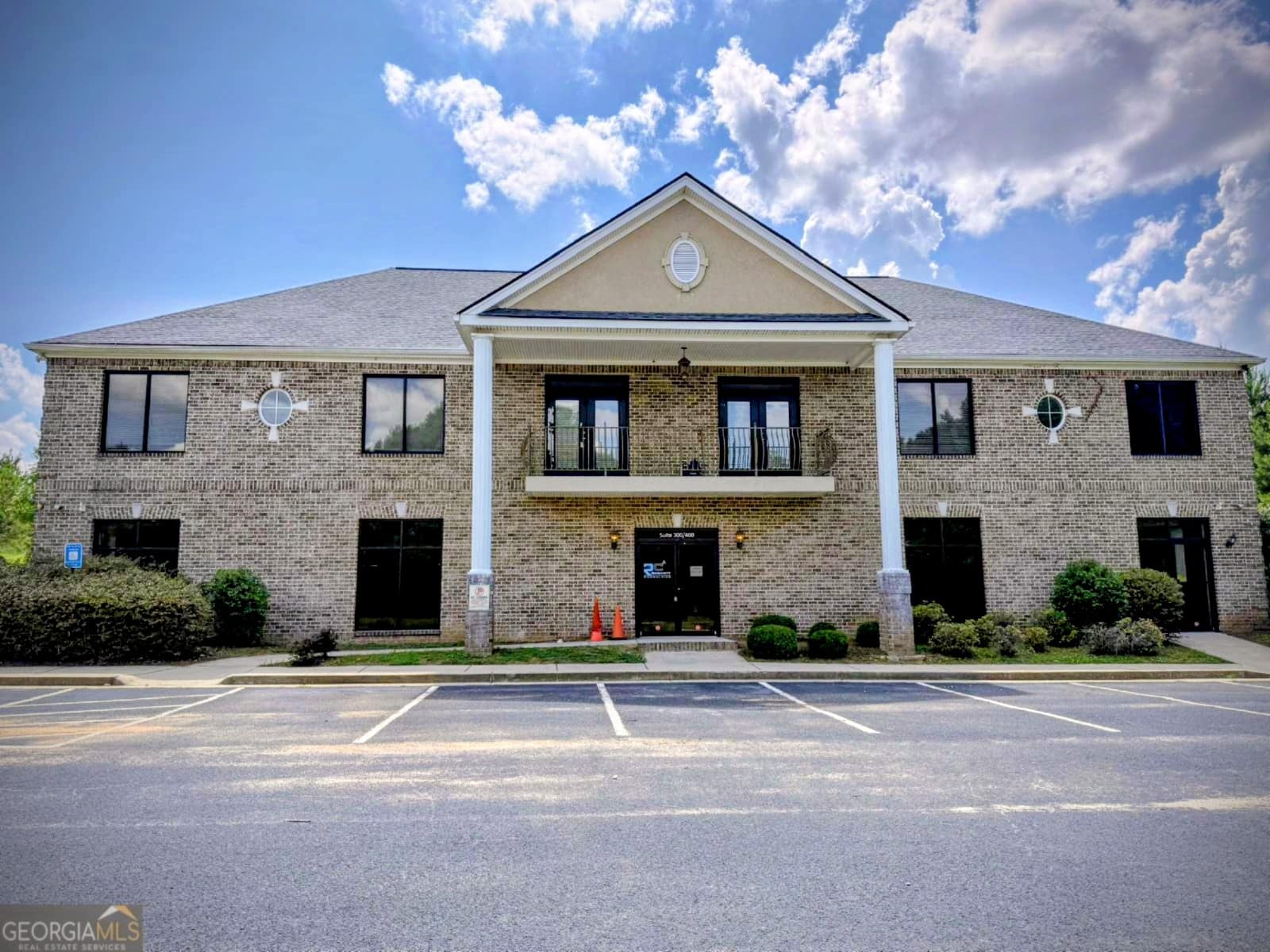
Our Hampton Facility
A modern, patient-centered facility designed for comfort and accessibility. Conveniently located off I-75 in Hampton, Georgia.
Get DirectionsWelcoming Entrance
Easy access with ample parking and wheelchair accessibility for all patients visiting our neurosurgery practice.
Request Appointment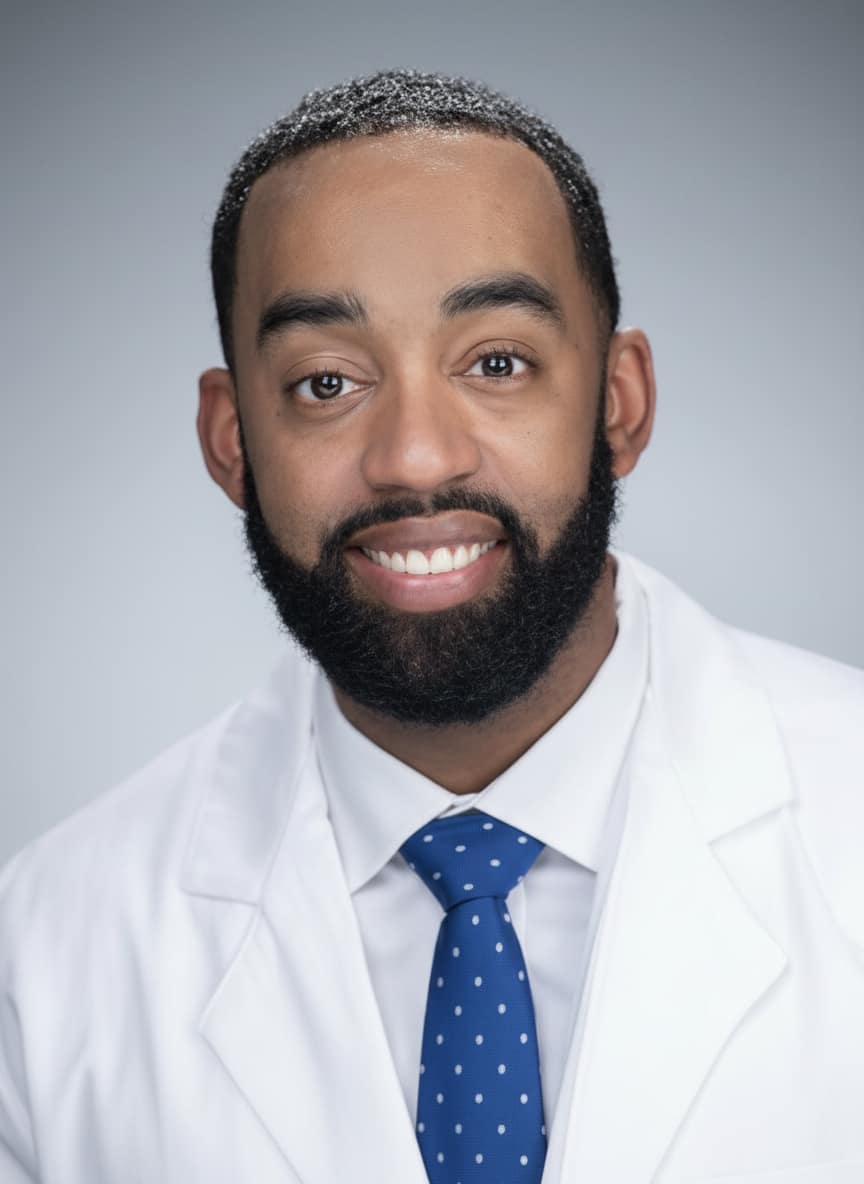
Dr. Jerry Walters II
Board-certified neurosurgeon specializing in complex brain and spine surgery with personalized, family-first care.
Meet Our Doctors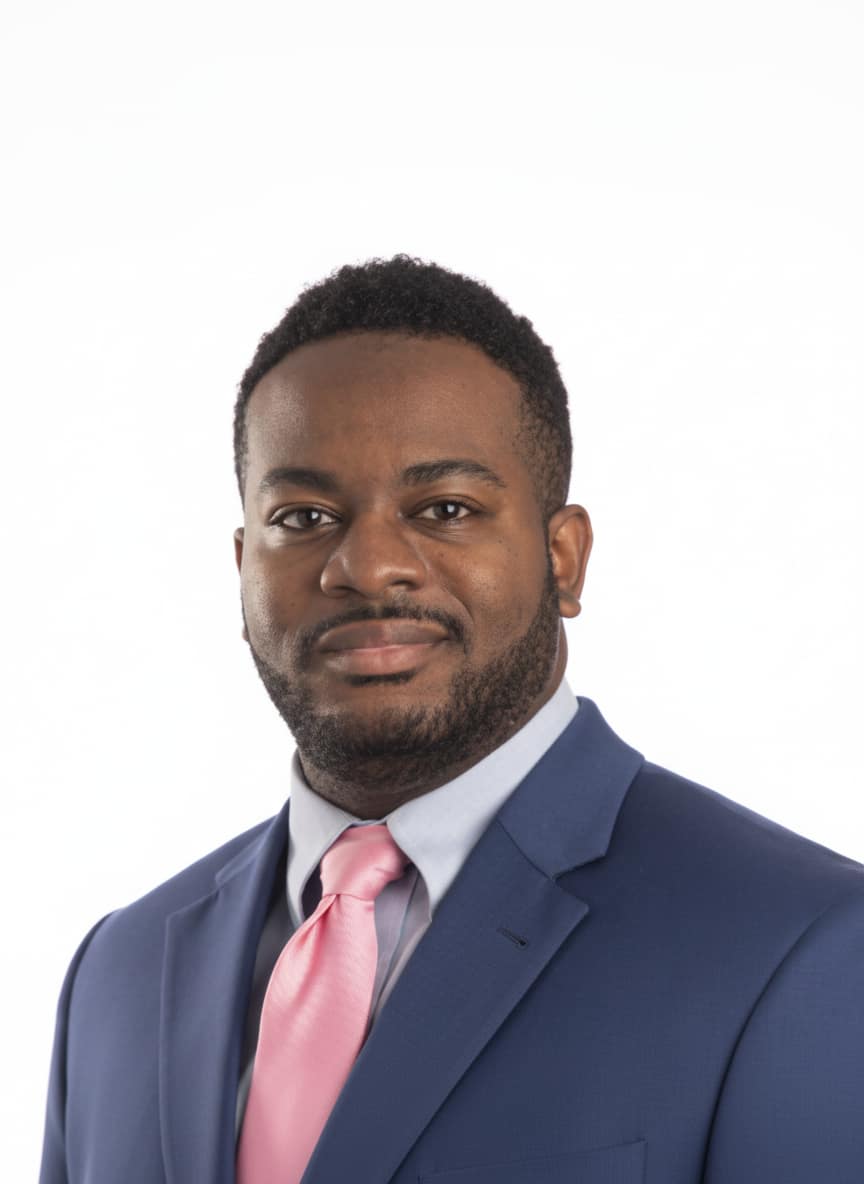
Dr. Marcus Stephens
Fellowship-trained neurosurgeon delivering advanced minimally invasive spine and brain treatments.
View Profiles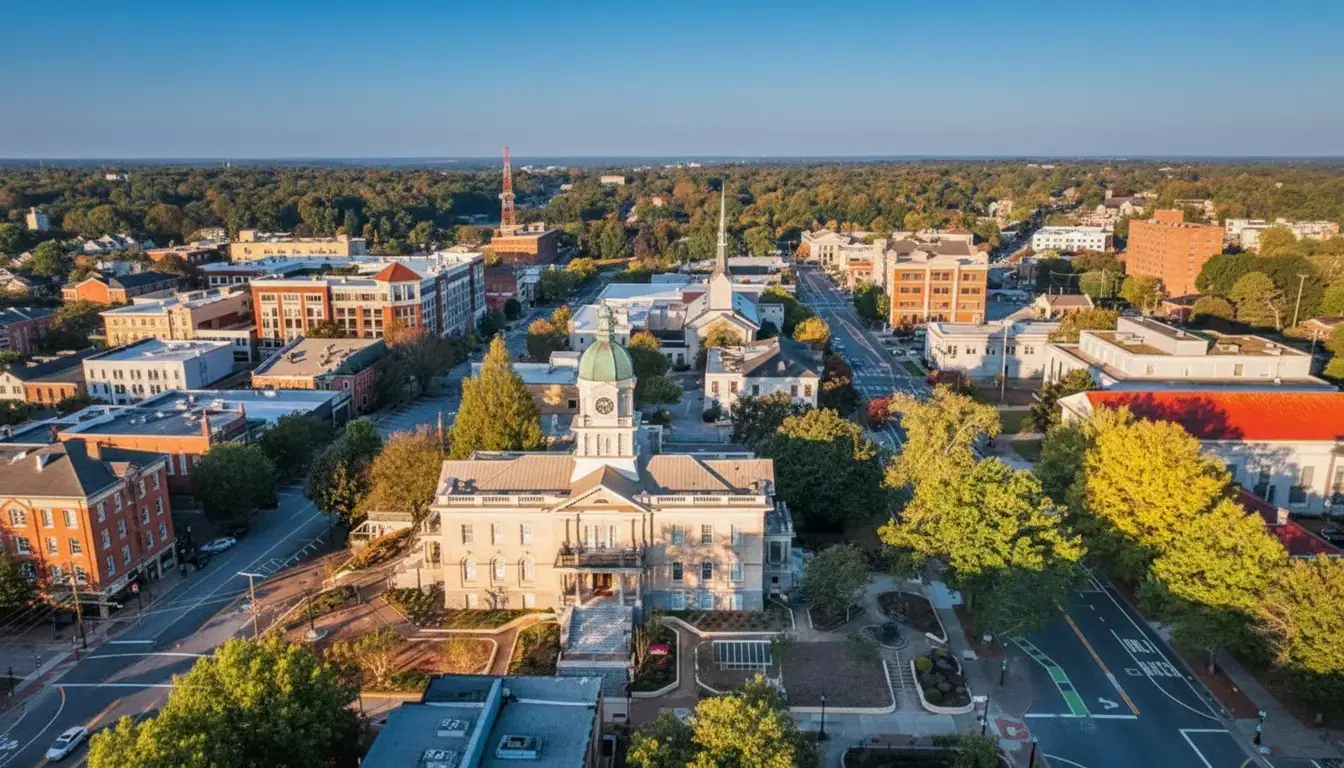
Serving Hampton & Beyond
Conveniently located for patients across Southern Georgia, Stockbridge, McDonough, Jonesboro, and Atlanta.
View Locations
Local to Atlanta Metro
Just south of Atlanta with easy access from I-75, making expert neurosurgery care accessible to the entire metro area.
See Service Areas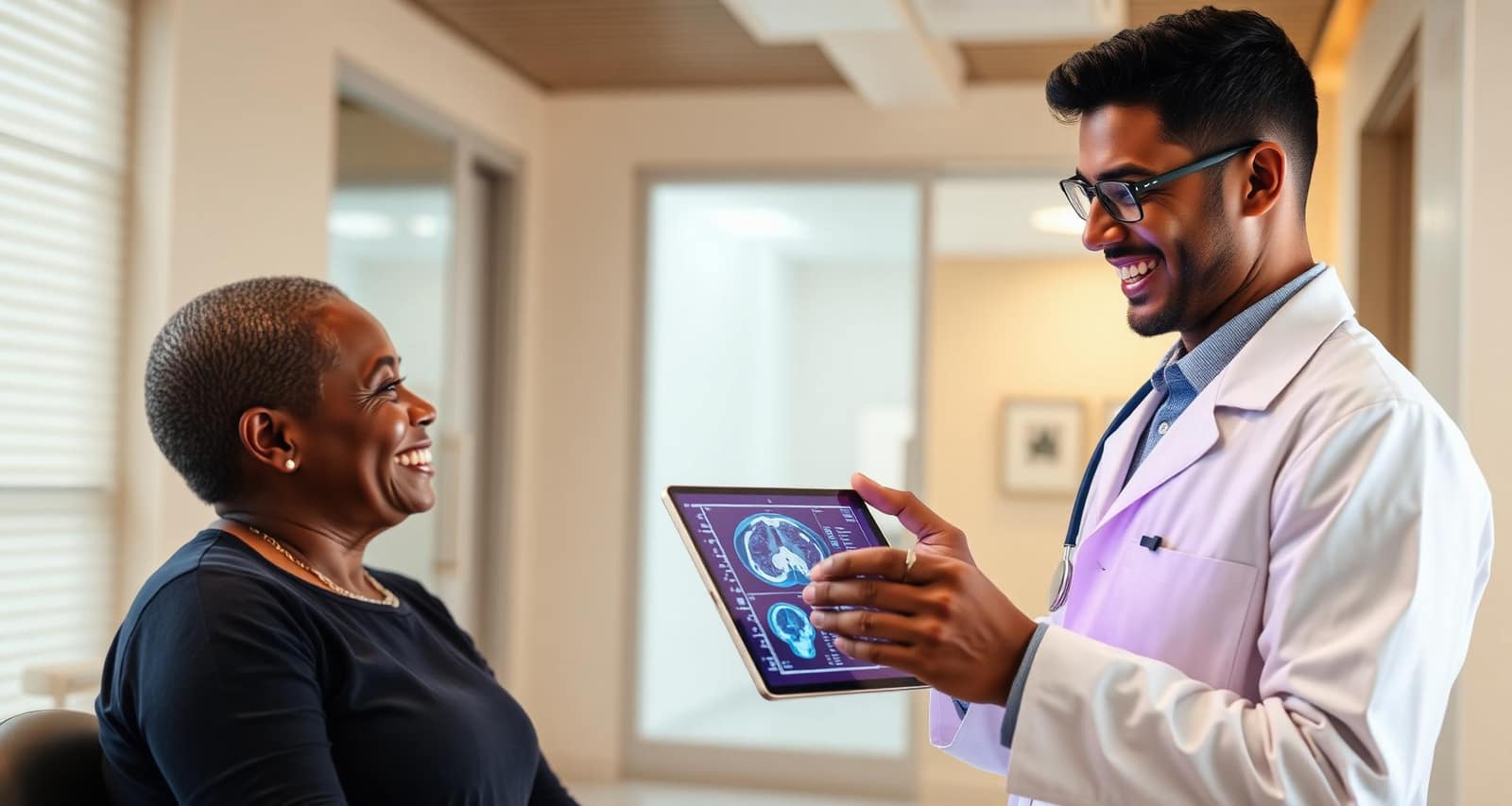
Expert Diagnosis
Advanced imaging review and second opinions for brain tumors, herniated discs, spinal stenosis, and more.
MRI Review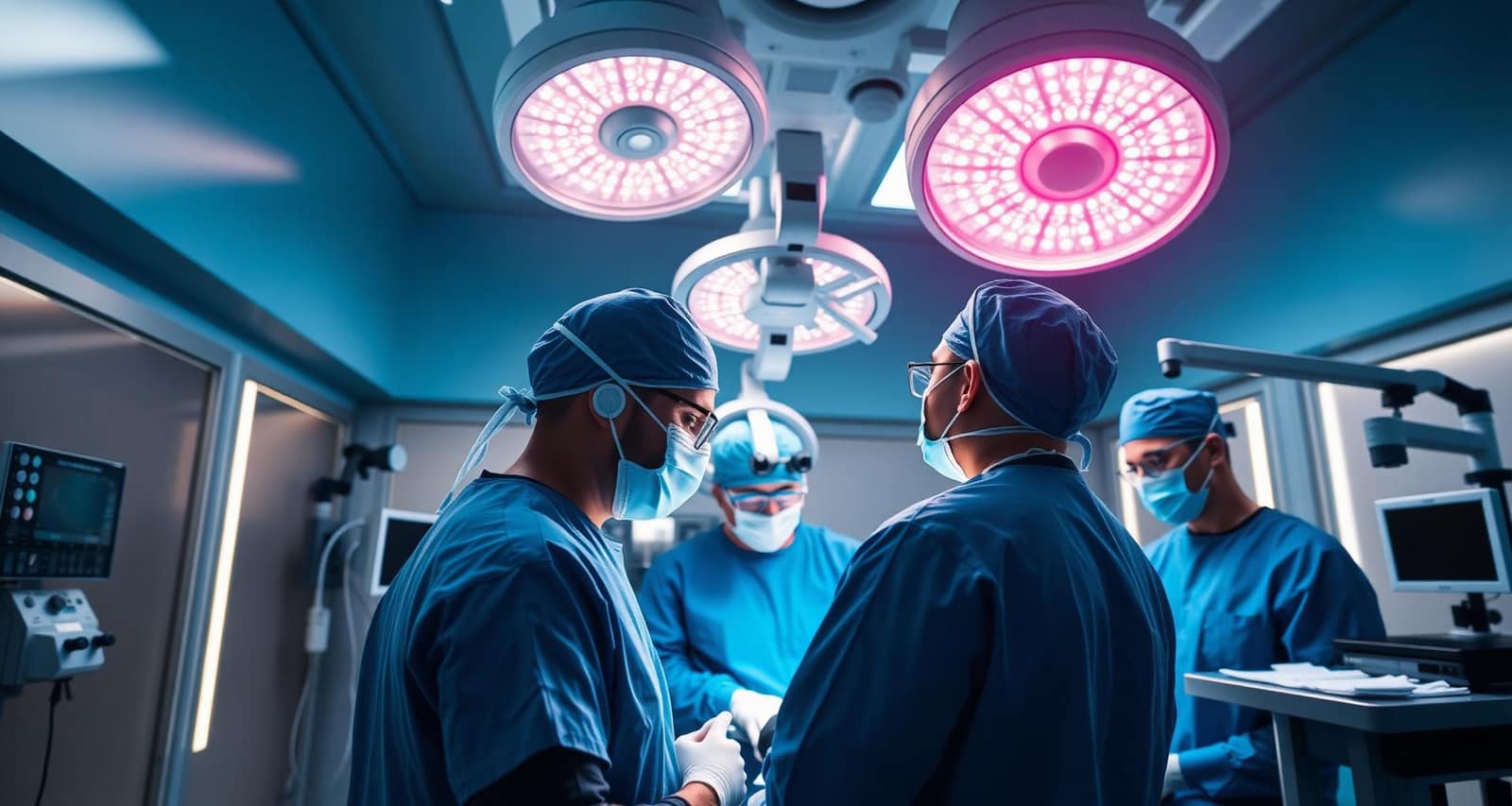
Advanced Surgical Care
Minimally invasive techniques for faster recovery, smaller incisions, and excellent outcomes in brain and spine surgery.
View ProceduresBrain Tumor Surgery
Microsurgical craniotomy with neuronavigation and awake surgery when indicated. Gross total resection rates of 70–98%.
Learn More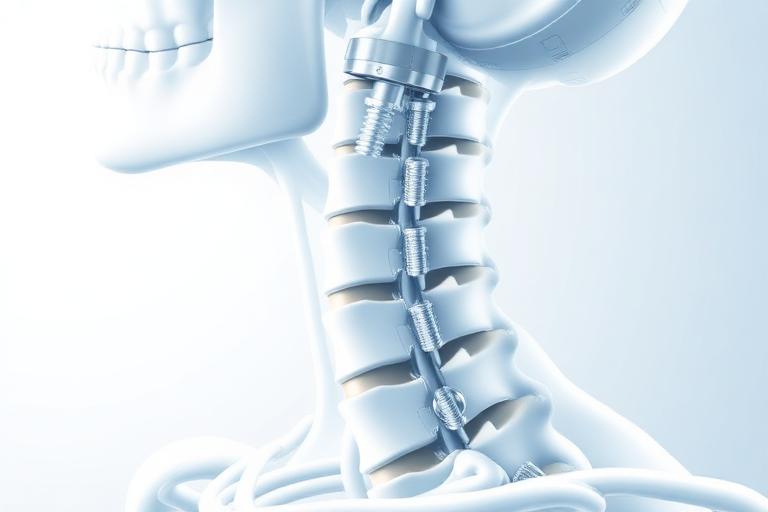
Cervical Fusion (ACDF)
Gold-standard neck surgery with 93–97% arm pain relief and same-day or next-day discharge for most patients.
View Details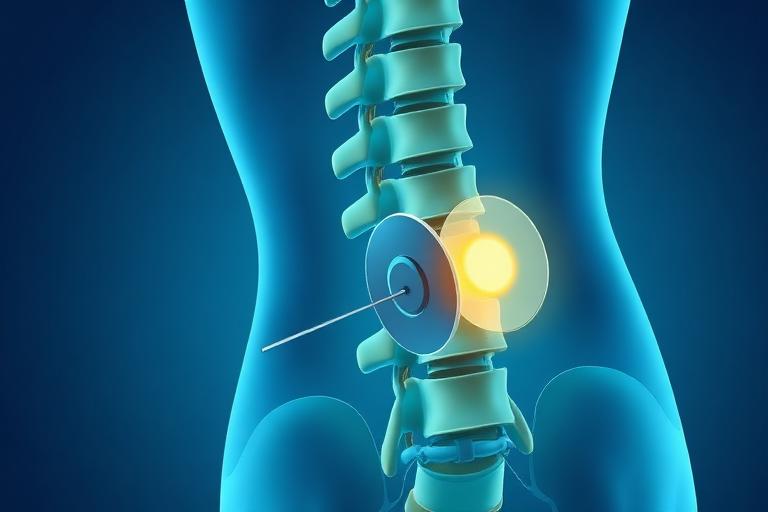
Lumbar Discectomy
Minimally invasive removal of herniated disc material through a sub-1-inch incision. 84% significant improvement per SPORT trial.
View Details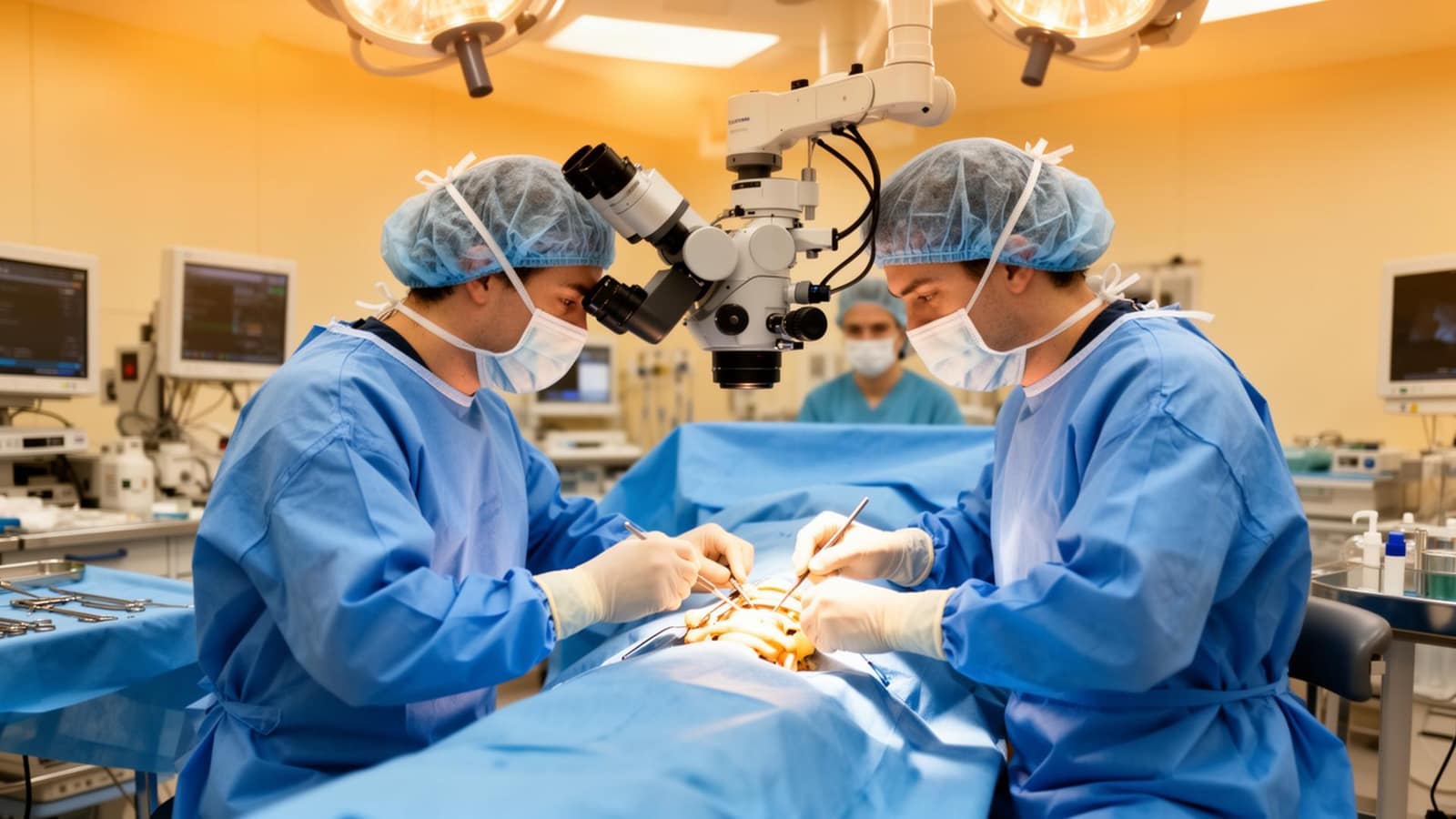
Comprehensive Spine Care
From artificial disc replacement to spinal fusion and spinal cord stimulators — every treatment customized to your needs.
Spine Services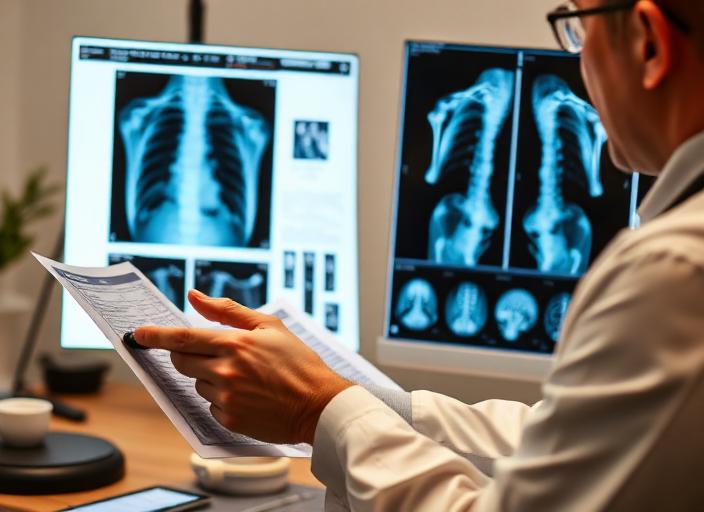
Personal Injury Care
Expert medical evaluation, documentation, and treatment for auto accidents and personal injury cases throughout Georgia.
Learn More
Workers' Compensation
Comprehensive work-injury evaluation and treatment with detailed documentation to support your claim and recovery.
Learn More
Corporate Wellness
Partner with us for executive physicals, ergonomic assessments, and workplace injury prevention programs.
Learn More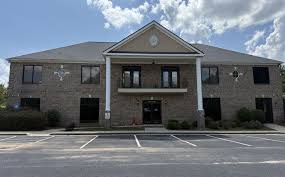
Ample Patient Parking
Dedicated parking with easy building access so every visit is stress-free from arrival to check-in.
Request Appointment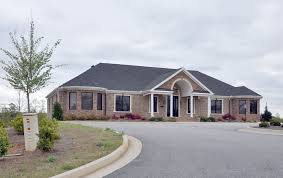
700 Manassas Street
Suite 300 in Hampton, GA. Fully accessible with clear signage and a professional, welcoming environment.
Get DirectionsReady to Discuss Your Brain Condition?
Schedule a consultation with our board-certified neurosurgeons. We offer MRI reviews, second opinions, and comprehensive treatment plans for all brain conditions.
Brain Care Across Georgia
Explore our spine services, accepted insurance plans, and the Georgia communities where we treat brain and neurosurgical patients.
Brain and Spine Specialists of Georgia provides spine surgery and neurosurgical brain care to patients throughout metro Atlanta and Middle Georgia, including Hampton, Lovejoy, McDonough, Stockbridge, Fayetteville, Griffin, and surrounding communities. We accept most major insurance plans including Medicare, Medicaid, Blue Cross Blue Shield, Aetna, Cigna, United Healthcare, Humana, and Tricare.
Two Board-Certified Neurosurgeons
Both of our neurosurgeons evaluate patients for brain and skull base surgery at our Hampton, Georgia office and by telemedicine across South Metro and Central Georgia.
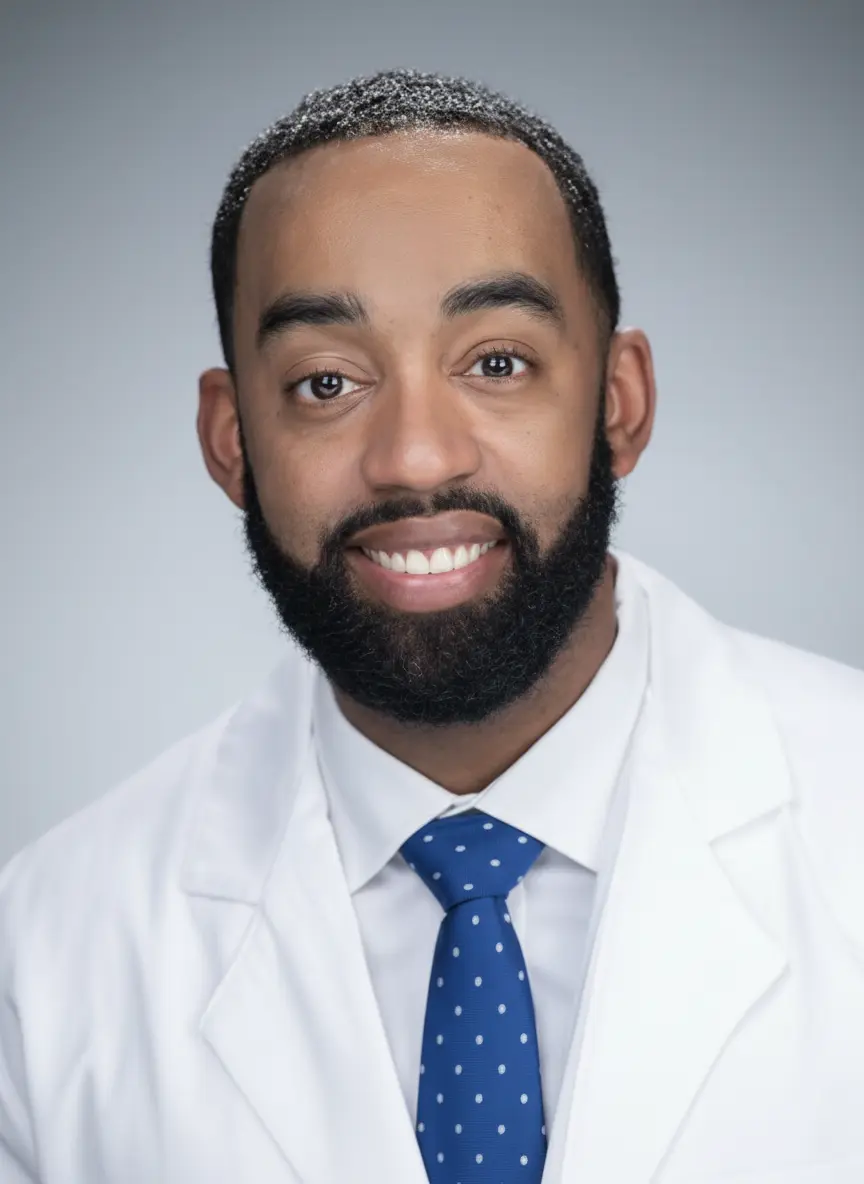
Jerry Walters II, MD
Founder & Brain and Spine Surgeon
Neurosurgeon, Spine Specialist & Brain Surgery Treatments, Nerve Root Injury and Plexus Disorders (incl. Pinched Nerve)
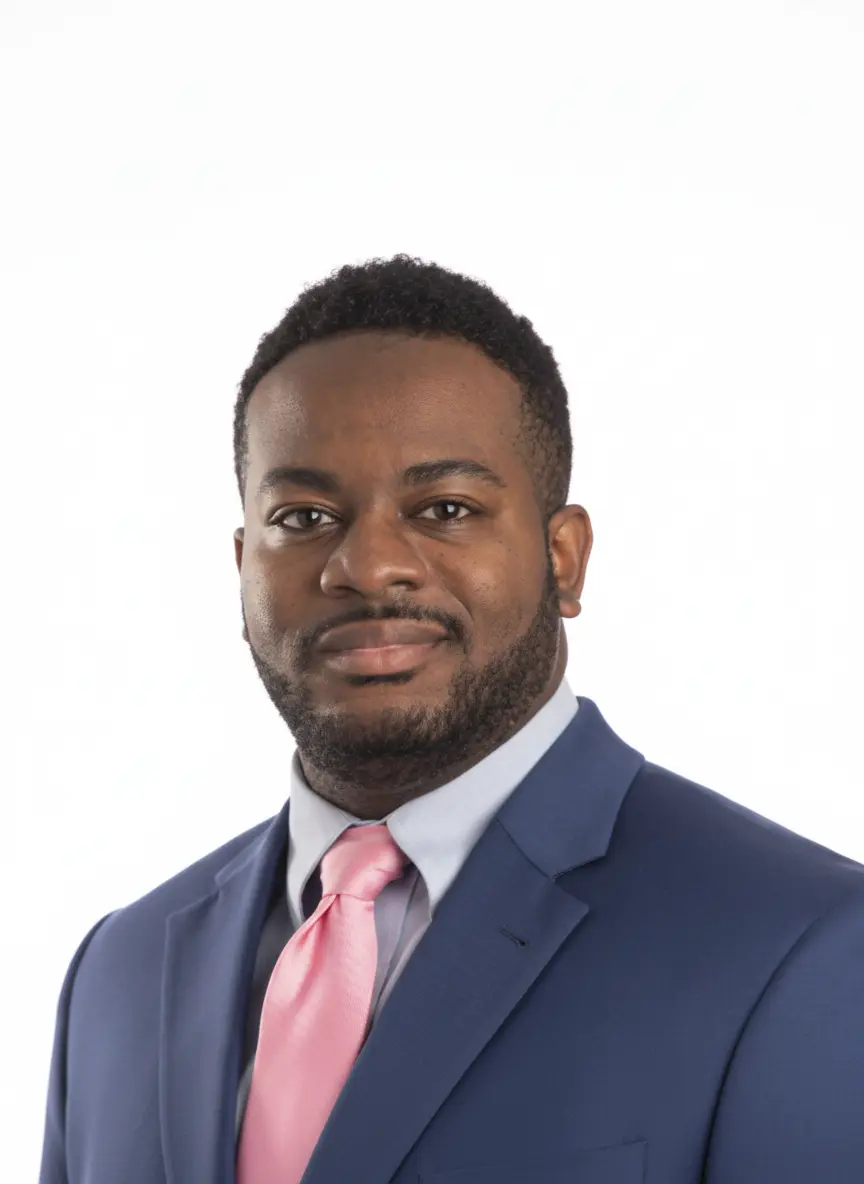
Marcus Stephens, MD
Founder & Brain and Spine Surgeon
Neurosurgery, Skull Based Surgeries, Spine Surgery, Concussion Evaluations & Treatments
Not sure which neurosurgeon fits your case? Compare both providers or send your MRI for a second opinion review.