





    Skip to main content
    Call Now: (770) 515-8770Schedule Today!
    Spine Procedures

    Lumbar Laminectomy and Decompression: With or Without Interlaminar Devices

    Dr. Jerry Walters II
    February 14, 2026
    9 min read

    What is Lumbar Laminectomy with Decompression?

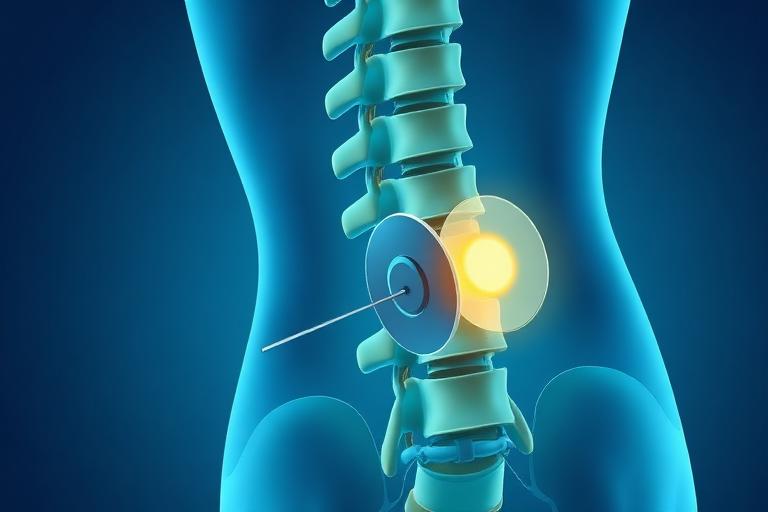
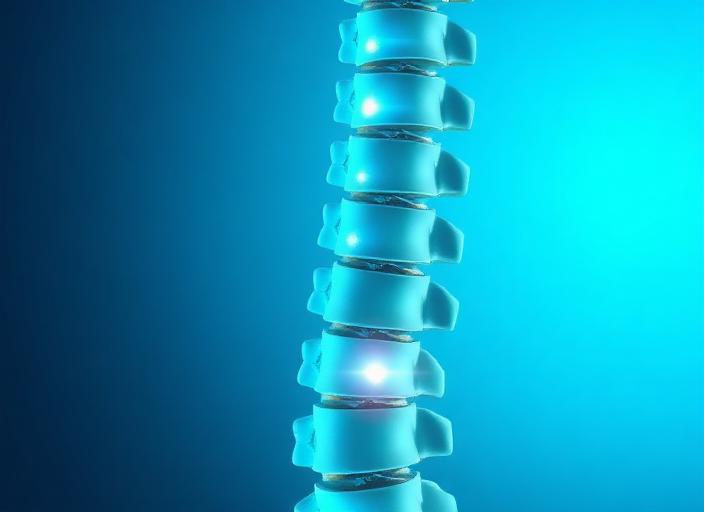
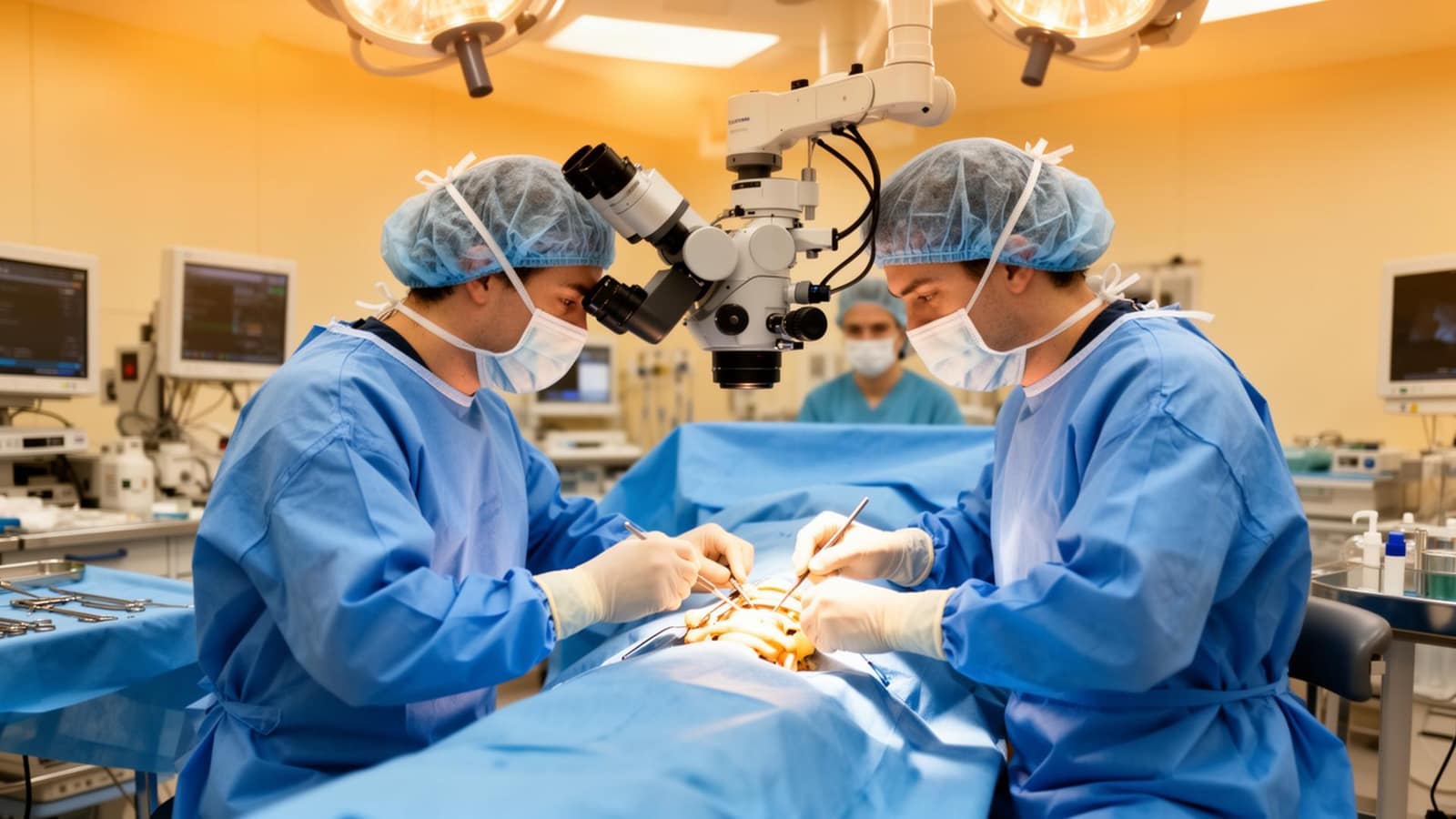
    Lumbar laminectomy is a surgical procedure to relieve pressure on the spinal nerves by removing the lamina — the bony roof of the spinal canal. This creates more space for the compressed nerves, relieving symptoms of spinal stenosis.

    Laminectomy vs. Laminotomy

    • Laminectomy: Complete removal of the lamina at one or more levels
    • Laminotomy: A smaller window is created in the lamina, preserving more bone
    • Bilateral laminotomy: Windows made on both sides, preserving midline structures

    The choice depends on the severity of stenosis and the need for stability preservation.

    Symptoms That May Require Laminectomy

    Neurogenic Claudication

    The hallmark of lumbar stenosis:

    • Leg pain, heaviness, or cramping when walking or standing
    • Relief when sitting down or bending forward
    • The "shopping cart sign" — leaning forward reduces symptoms
    • Progressively shorter walking distances over time

    Other Symptoms

    • Numbness or tingling in the legs or feet
    • Weakness making it difficult to climb stairs
    • Balance problems
    • Chronic low back pain

    The Role of Interlaminar Devices

    What Are Interlaminar Stabilization Devices?

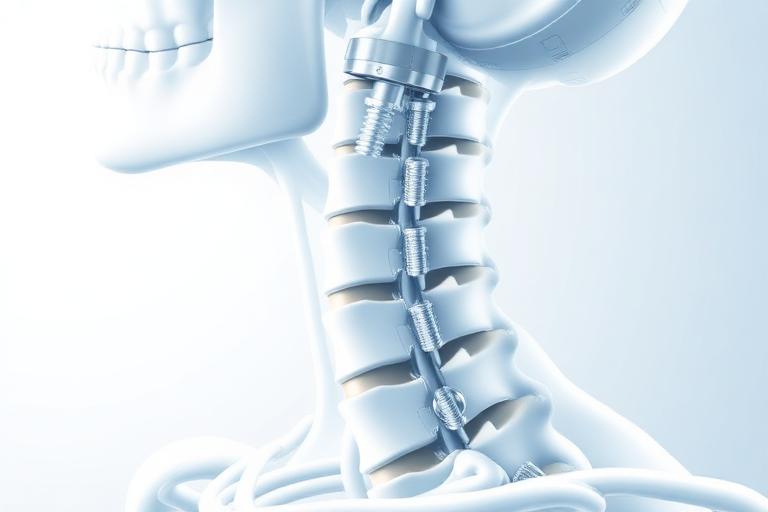
    Interlaminar spacers are small implants placed between the spinous processes (the bumps you feel on your back) during or after a laminectomy. They provide dynamic stabilization without the rigidity of fusion.

    How They Work

    • Limit extension (backward bending), which narrows the spinal canal
    • Maintain foraminal height for nerve roots
    • Provide stability without eliminating motion
    • Act as a "shock absorber" for the decompressed segment

    Who Benefits from Interlaminar Devices?

    Ideal candidates include:

    • Patients with moderate lumbar stenosis
    • Symptoms that improve with sitting or bending forward
    • Mild instability not severe enough for fusion
    • Patients who want to preserve spinal motion
    • Older patients seeking less invasive stabilization

    Benefits Over Fusion

    • Preserves natural spinal motion
    • Shorter surgical time
    • Faster recovery
    • Potentially reversible
    • May delay or prevent need for fusion surgery

    Decompression With or Without Devices: How We Decide

    Dr. Jerry Walters II uses a tailored approach:

    Decompression alone — when:

    • The spine is inherently stable
    • Stenosis is the only problem
    • No significant spondylolisthesis

    Decompression + interlaminar device — when:

    • Mild instability exists
    • Patient wants motion preservation
    • Moderate stenosis with good bone quality

    Decompression + fusion — when:

    • Significant instability or spondylolisthesis
    • Multilevel decompression with instability risk
    • Recurrent stenosis after prior surgery

    Recovery After Lumbar Decompression

    • Same-day or next-day discharge for most patients
    • Week 1: Walking and light activities
    • Weeks 2-4: Gradual return to daily activities
    • Weeks 4-8: Physical therapy and strengthening
    • Month 2-3: Full recovery for most patients

    Expert Lumbar Decompression at Nova Brain and Spine

    Dr. Jerry Walters II provides comprehensive lumbar decompression surgery using the latest techniques and devices, serving patients throughout Hampton, GA and Southern Georgia.

    Call (770) 297-8133 to schedule your consultation.

    Related Topics

    laminectomy
    spinal stenosis
    interlaminar device
    decompression
    spine surgery

    Dr. Jerry Walters II

    Board-Certified Neurosurgeon & Spine Specialist

    Board-certified neurosurgeon at Nova Brain and Spine of GA, providing expert care in Hampton, Georgia.

    Ready to Take the Next Step?

    Our board-certified neurosurgeons are here to help. Explore your options or schedule a consultation today.

    Related Articles

    Brain Conditions

    Epidural vs. Subdural Hematoma: A Complete Patient & Student Guide

    A clear, side-by-side comparison of epidural and subdural hematomas — the bleeding source, onset speed, CT appearance, clinical presentation, and how neurosurgeons treat each.

    Dr. Marcus Stephens
    Jun 24, 2026
    8 min read
    Read full article
    Brain Conditions

    Brain Hematoma vs Brain Hemorrhage: Key Differences, Symptoms, and Treatment

    Hematoma and hemorrhage both involve bleeding in or around the brain, but they're not the same. Learn how neurosurgeons tell them apart and how each is treated.

    Dr. Marcus Stephens
    Jun 22, 2026
    7 min read
    Read full article
    Local Care

    Neurosurgeon in Hampton, GA — Herniated Disc Relief & Brain and Spine Care

    A neurosurgeon's guide for Hampton, Henry County residents: herniated disc relief, the conditions we treat most from your area, the drive from Hampton to our Hampton office, and how we coordinate with Piedmont Henry Hospital in Stockbridge.

    Dr. Jerry Walters II
    Jun 20, 2026
    7 min read
    Read full article