







    Skip to main content
    Call Now: (770) 515-8770Schedule Today!
    Spine Conditions

    Sciatica Relief: Best Exercises and Treatments for 2026

    Dr. Jerry Walters II
    February 3, 2026
    11 min read

    Understanding Sciatica

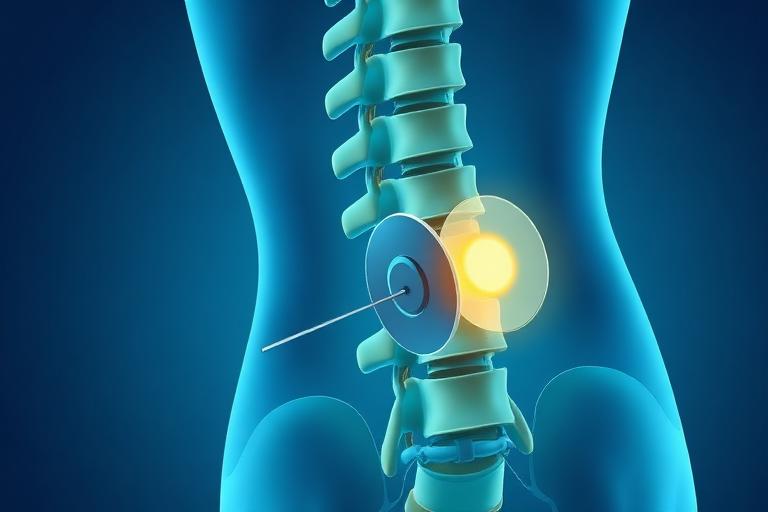
    Sciatica refers to pain that radiates along the path of the sciatic nerve, which branches from your lower back through your hips and buttocks and down each leg. It typically affects only one side of the body.

    What Causes Sciatica?

    Common causes include:

    • Herniated or bulging disc (most common)
    • Spinal stenosis (narrowing of the spinal canal)
    • Bone spurs on the spine
    • Piriformis syndrome
    • Spondylolisthesis
    • Degenerative disc disease

    Recognizing Sciatica Symptoms

    Classic symptoms:

    • Pain radiating from lower back down the leg
    • Burning or tingling sensation
    • Numbness in the leg or foot
    • Weakness in the affected leg
    • Pain that worsens with sitting
    • Sharp pain when standing or walking
    • "Electric shock" sensation down the leg

    Best Exercises for Sciatica Relief

    Important: Always consult with a healthcare provider before starting exercises, especially if you have severe symptoms.

    1. Knee-to-Chest Stretch

    How to perform:

    1. Lie on your back with knees bent, feet flat
    2. Bring one knee toward your chest
    3. Hold for 20-30 seconds
    4. Switch legs and repeat
    5. Perform 3 sets on each side

    Benefits: Reduces lower back tension and gently stretches the piriformis

    2. Piriformis Stretch

    How to perform:

    1. Lie on your back with both knees bent
    2. Cross the affected leg over the other thigh
    3. Pull the uncrossed leg toward your chest
    4. Hold for 30 seconds
    5. Switch sides

    Benefits: Directly targets the piriformis muscle, which can irritate the sciatic nerve

    3. Seated Spinal Twist

    How to perform:

    1. Sit on the floor with legs extended
    2. Bend one knee and place foot outside the opposite thigh
    3. Twist your torso toward the bent knee
    4. Hold for 30 seconds
    5. Repeat on the other side

    Benefits: Improves spinal mobility and stretches the lower back

    4. Cat-Cow Stretch

    How to perform:

    1. Start on hands and knees
    2. Arch your back upward (cat position)
    3. Hold for 5 seconds
    4. Drop your belly toward the floor (cow position)
    5. Hold for 5 seconds
    6. Repeat 10 times

    Benefits: Increases spinal flexibility and reduces disc pressure

    5. Bird Dog Exercise

    How to perform:

    1. Start on hands and knees
    2. Extend one arm forward and opposite leg back
    3. Keep your core engaged and back flat
    4. Hold for 5 seconds
    5. Return and switch sides
    6. Repeat 10 times each side

    Benefits: Strengthens core muscles that support the spine

    6. Hamstring Stretch

    How to perform:

    1. Lie on your back
    2. Lift one leg straight up
    3. Hold behind your thigh (not the knee)
    4. Gently pull toward your chest
    5. Hold for 30 seconds
    6. Switch legs

    Benefits: Tight hamstrings can contribute to sciatica pain

    Conservative Treatments

    At-Home Remedies

    • Ice and heat: Ice for first 48-72 hours, then alternate with heat
    • Over-the-counter medications: NSAIDs like ibuprofen can reduce inflammation
    • Activity modification: Avoid prolonged sitting; take walking breaks
    • Proper posture: Use lumbar support when seated
    • Sleeping position: Try sleeping with a pillow between your knees

    Physical Therapy

    A physical therapist can provide:

    • Customized exercise programs
    • Manual therapy techniques
    • Postural education
    • Core strengthening programs
    • Return-to-activity guidance

    Medical Treatments

    • Prescription medications: Muscle relaxants, nerve pain medications
    • Epidural steroid injections: Reduce inflammation around the nerve
    • Nerve blocks: Target specific pain generators

    When to See a Specialist

    Seek immediate care if you experience:

    • Loss of bladder or bowel control
    • Sudden, severe weakness in your leg
    • Numbness in your groin or inner thighs (saddle anesthesia)
    • Severe pain that doesn't improve with rest

    Schedule an evaluation if:

    • Pain persists beyond 4-6 weeks
    • Symptoms are worsening
    • Conservative treatments aren't helping
    • Pain significantly limits your activities
    • You have numbness or weakness

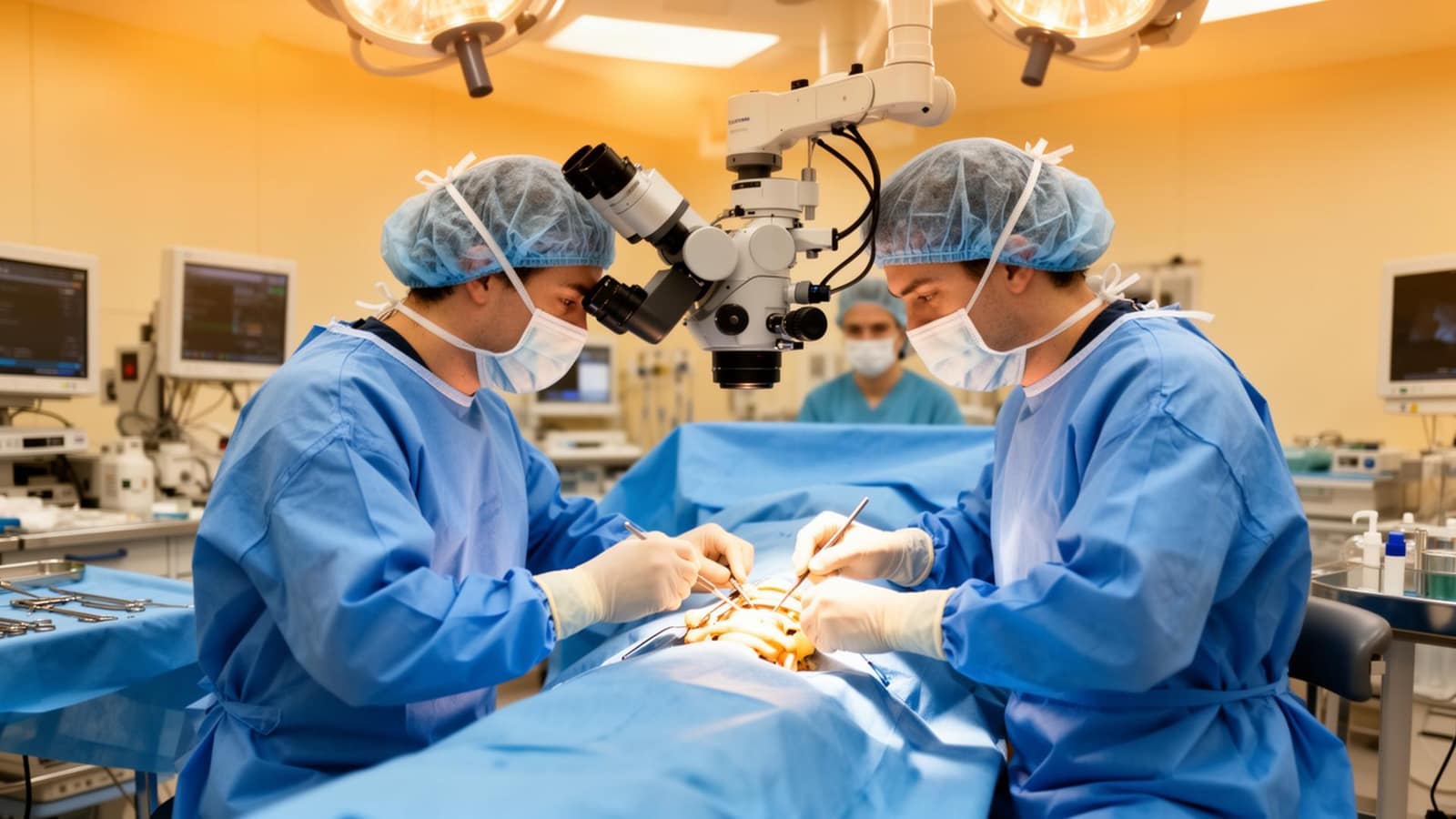
    Surgical Options for Sciatica

    When conservative treatments fail, surgery may be recommended:

    Microdiscectomy

    • Minimally invasive removal of herniated disc material
    • Small incision (about 1 inch)
    • Often outpatient procedure
    • High success rate (80-90%)
    • Rapid recovery

    Laminectomy

    • Creates more space in the spinal canal
    • Relieves pressure on nerves
    • Effective for spinal stenosis
    • Can be done minimally invasively

    Spinal Fusion

    • May be needed for instability
    • Combined with decompression
    • Longer recovery
    • Reserved for specific situations

    Prevention Tips

    Reduce your risk of sciatica:

    • Maintain a healthy weight
    • Exercise regularly, focusing on core strength
    • Practice good posture
    • Use proper lifting techniques
    • Take breaks from prolonged sitting
    • Sleep on a supportive mattress
    • Stretch regularly

    Expert Care at Nova Brain and Spine

    Our spine specialists provide comprehensive sciatica treatment:

    • Thorough evaluation to identify the cause
    • Conservative treatment recommendations
    • Physical therapy coordination
    • Injection therapies when indicated
    • Minimally invasive surgery when needed

    MRI Review: If you have an MRI showing a herniated disc or stenosis, we'll review it and discuss your options.

    Call (770) 297-8133 to schedule your consultation.

    Related Topics

    sciatica
    back pain
    exercises
    herniated disc
    leg pain

    Dr. Jerry Walters II

    Board-Certified Neurosurgeon & Spine Specialist

    Board-certified neurosurgeon at Nova Brain and Spine of GA, providing expert care in Hampton, Georgia.

    Ready to Take the Next Step?

    Our board-certified neurosurgeons are here to help. Explore your options or schedule a consultation today.

    Related Articles

    Brain Conditions

    Epidural vs. Subdural Hematoma: A Complete Patient & Student Guide

    A clear, side-by-side comparison of epidural and subdural hematomas — the bleeding source, onset speed, CT appearance, clinical presentation, and how neurosurgeons treat each.

    Dr. Marcus Stephens
    Jun 24, 2026
    8 min read
    Read full article
    Brain Conditions

    Brain Hematoma vs Brain Hemorrhage: Key Differences, Symptoms, and Treatment

    Hematoma and hemorrhage both involve bleeding in or around the brain, but they're not the same. Learn how neurosurgeons tell them apart and how each is treated.

    Dr. Marcus Stephens
    Jun 22, 2026
    7 min read
    Read full article
    Local Care

    Neurosurgeon in Hampton, GA — Herniated Disc Relief & Brain and Spine Care

    A neurosurgeon's guide for Hampton, Henry County residents: herniated disc relief, the conditions we treat most from your area, the drive from Hampton to our Hampton office, and how we coordinate with Piedmont Henry Hospital in Stockbridge.

    Dr. Jerry Walters II
    Jun 20, 2026
    7 min read
    Read full article