




What is Spinal Stenosis?
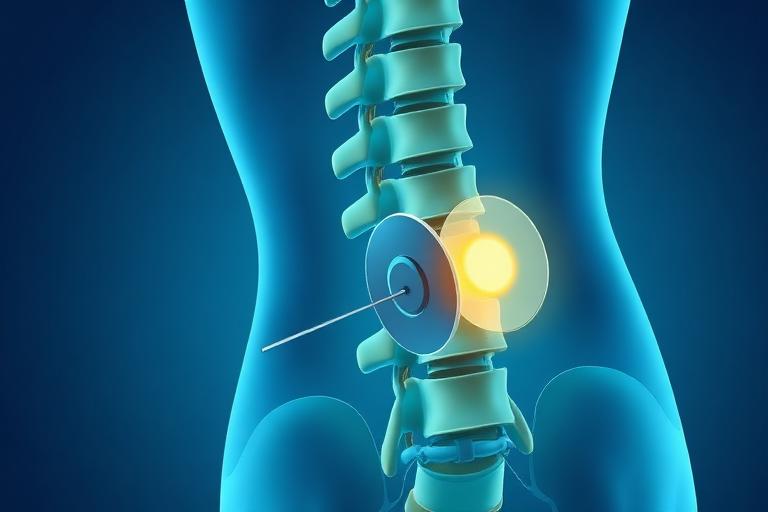
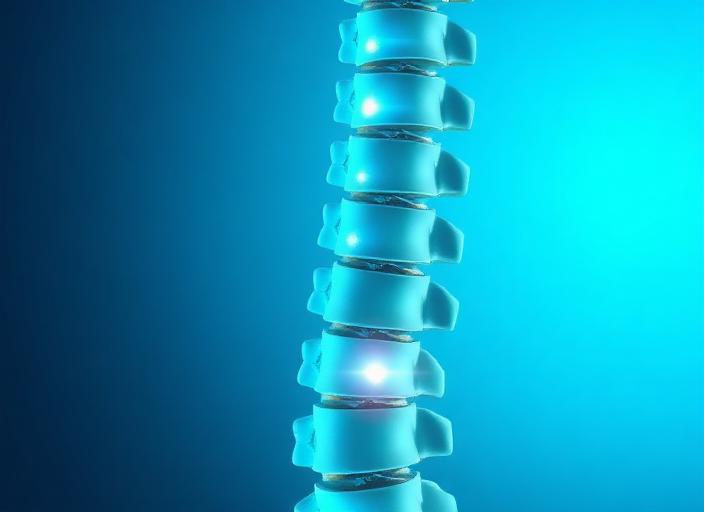
Spinal stenosis is a narrowing of the spaces within your spine, which can put pressure on the spinal cord and nerves. This condition most commonly occurs in the lower back (lumbar stenosis) and neck (cervical stenosis).
Understanding the Condition
As we age, the spinal canal can narrow due to:
- Thickening of ligaments
- Bone spurs (osteophytes)
- Bulging or herniated discs
- Degenerative disc disease
- Facet joint arthritis
Types of Spinal Stenosis
Lumbar Spinal Stenosis
The most common type, affecting the lower back. It can cause:
- Neurogenic claudication: Pain, weakness, or numbness in the legs that worsens with walking or standing
- Relief when sitting, bending forward, or lying down
- The "shopping cart sign": Leaning forward on a cart reduces symptoms
Cervical Spinal Stenosis
Affects the neck and can be more serious because it may impact the spinal cord:
- Neck pain
- Arm weakness or numbness
- Balance problems
- In severe cases, bladder or bowel dysfunction
Common Symptoms
Lumbar Stenosis Symptoms
- Leg pain that worsens when walking (claudication)
- Numbness or tingling in legs or feet
- Weakness in legs
- Lower back pain
- Improvement when leaning forward or sitting
Cervical Stenosis Symptoms
- Neck stiffness and pain
- Weakness in arms or hands
- Numbness in arms, hands, or fingers
- Balance and coordination problems
- In severe cases, incontinence
Risk Factors
Several factors increase your risk of developing spinal stenosis:
- Age: Most common after age 50
- Arthritis: Osteoarthritis and rheumatoid arthritis
- Previous spine surgery: Scar tissue can contribute to narrowing
- Trauma: Spinal injuries
- Genetic factors: Some people are born with a narrow spinal canal
- Obesity: Extra weight stresses the spine
Diagnosis
Accurate diagnosis involves:
- Medical history: Symptoms, activities that worsen/improve them
- Physical examination: Neurological tests
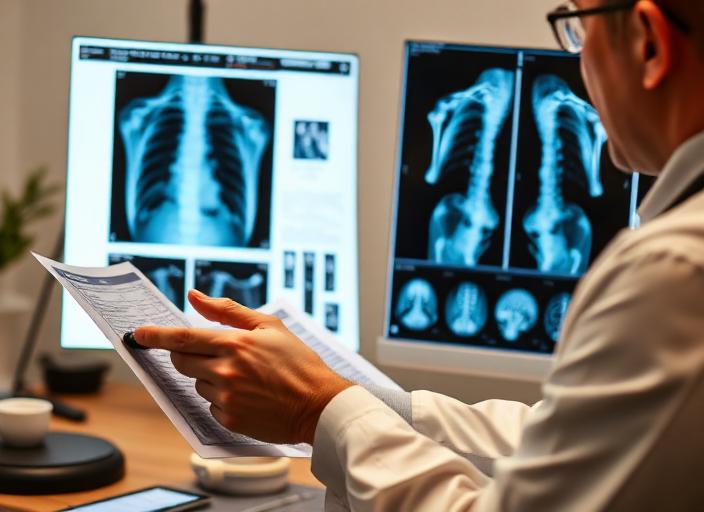
- MRI: Best imaging for soft tissues and nerves
- CT scan: Shows bone detail
- X-rays: Can show bone spurs and alignment
- Myelogram: Dye injection with CT for detailed views
Treatment Options
Conservative (Non-Surgical) Treatment
Many patients find relief with:
Physical Therapy
- Core strengthening exercises
- Flexibility training
- Posture improvement
- Aquatic therapy
Medications
- Anti-inflammatory drugs (NSAIDs)
- Muscle relaxants
- Nerve pain medications
Injections
- Epidural steroid injections
- Facet joint injections
- Nerve blocks
Lifestyle Modifications
- Weight management
- Exercise (walking, swimming)
- Using a cane or walker for stability
- Ergonomic adjustments
Surgical Treatment
Surgery may be recommended when:
- Conservative treatments fail after 3-6 months
- Symptoms are severe or progressive
- There's significant weakness
- Walking ability is significantly limited
Minimally Invasive Options
Dr. Jerry Walters II at Nova Brain and Spine specializes in:
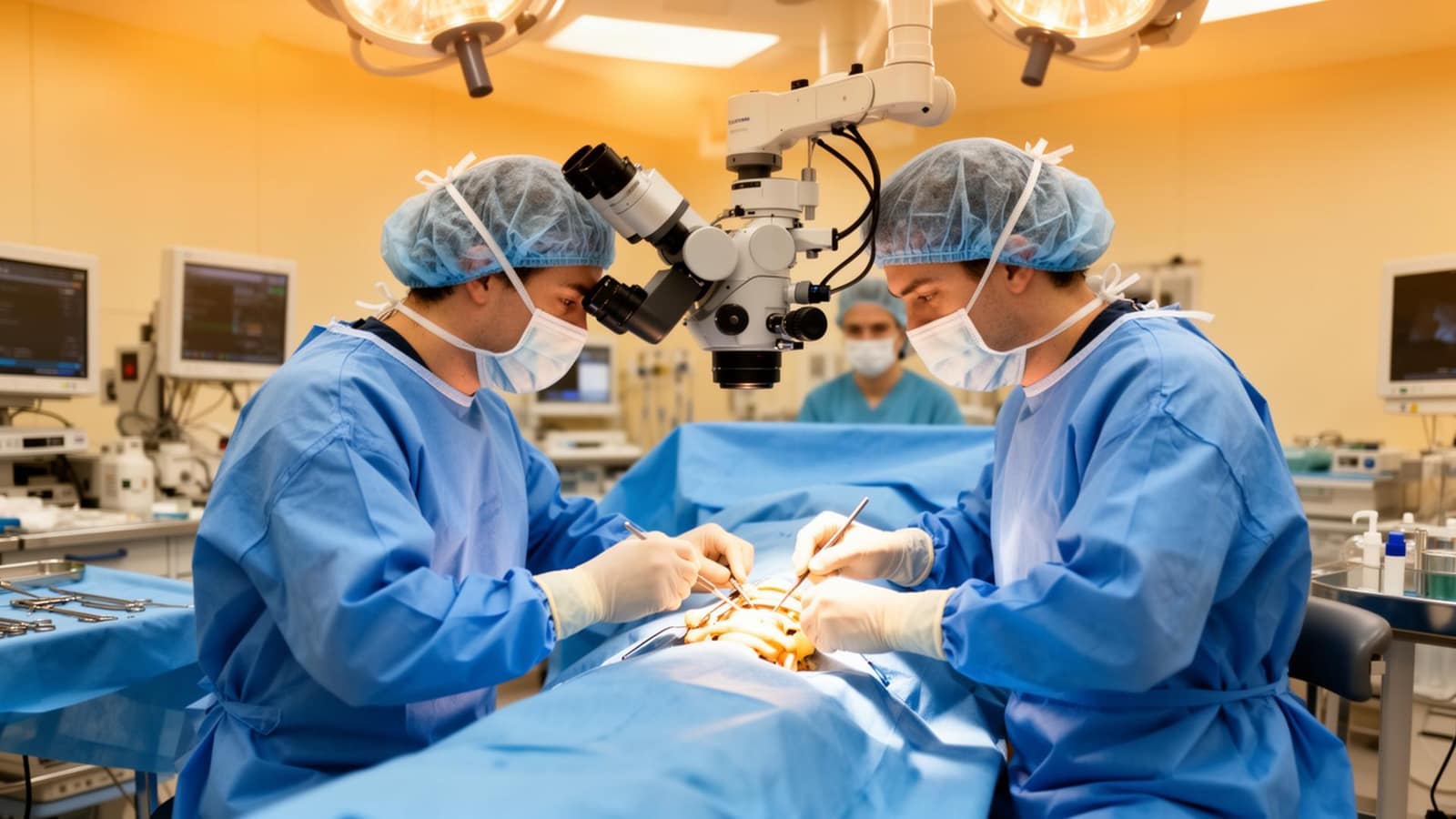
Laminectomy/Laminoplasty
- Removes part of the vertebra to create more space
- Can be done with minimally invasive techniques
- Preserves spinal stability
Foraminotomy
- Enlarges the opening where nerve roots exit
- Relieves nerve compression
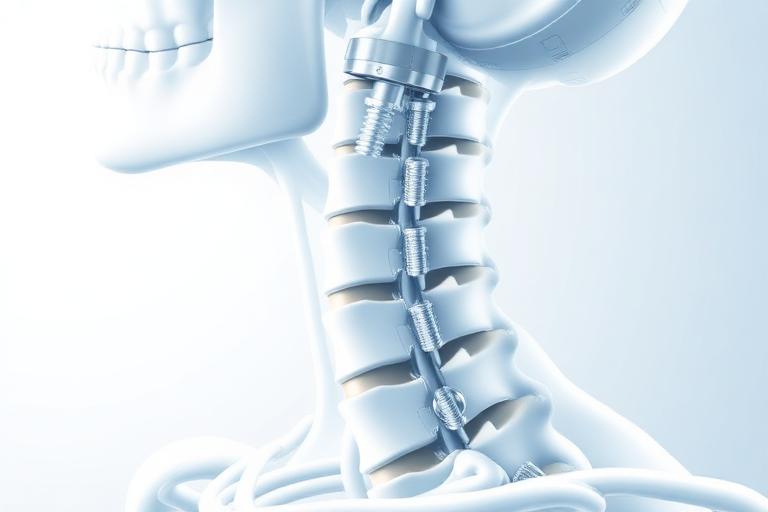
Interspinous Process Spacers
- Small device placed between vertebrae
- Maintains space and reduces pressure
- Minimally invasive option for select patients
Spinal Fusion
- May be combined with decompression
- Stabilizes the spine
- Used when there's instability
Benefits of Minimally Invasive Surgery
- Smaller incisions (often under 1 inch)
- Less muscle damage
- Reduced blood loss
- Shorter hospital stays
- Faster return to activities
- Less post-operative pain
Living with Spinal Stenosis
Even with treatment, managing your condition includes:
- Regular low-impact exercise
- Maintaining a healthy weight
- Good posture habits
- Avoiding activities that worsen symptoms
- Physical therapy exercises
- Regular follow-up with your spine specialist
When to Seek Treatment
Don't wait if you're experiencing:
- Pain that limits your daily activities
- Difficulty walking more than a short distance
- Numbness or weakness in your legs
- Balance problems
- Any loss of bladder or bowel control (emergency)
MRI Review Available
If you've been diagnosed with spinal stenosis or are experiencing symptoms, we offer MRI reviews at Nova Brain and Spine of GA.
Call (770) 297-8133 to schedule your consultation with Dr. Walters.
Related Topics
Dr. Jerry Walters II
Board-Certified Neurosurgeon & Spine Specialist
Board-certified neurosurgeon at Nova Brain and Spine of GA, providing expert care in Hampton, Georgia.
Ready to Take the Next Step?
Our board-certified neurosurgeons are here to help. Explore your options or schedule a consultation today.