




    Skip to main content
    Call Now: (770) 515-8770Schedule Today!
    Spine Conditions

    Understanding Herniated Discs: Symptoms, Causes, and Treatment Options

    Dr. Jerry Walters II
    January 15, 2026
    8 min read

    What is a Herniated Disc?

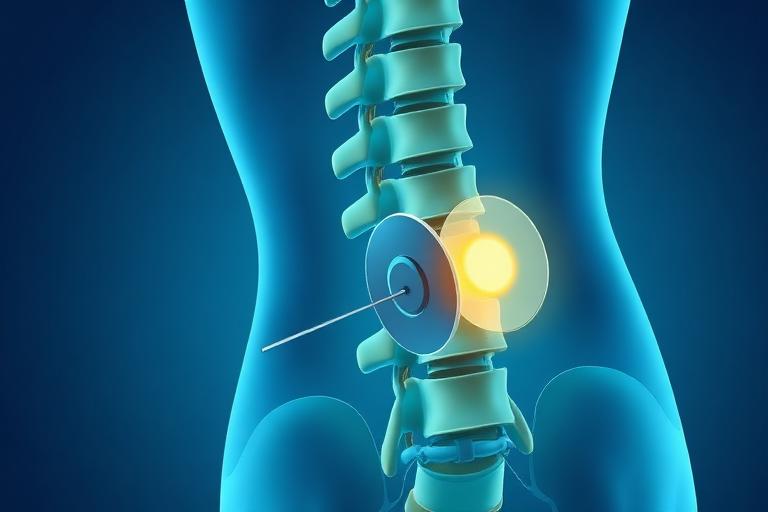
    A herniated disc occurs when the soft, gel-like center of a spinal disc pushes through a tear in the tougher exterior. This condition, also known as a slipped disc or ruptured disc, can irritate nearby nerves and cause pain, numbness, or weakness in an arm or leg.

    The Anatomy of Your Spine

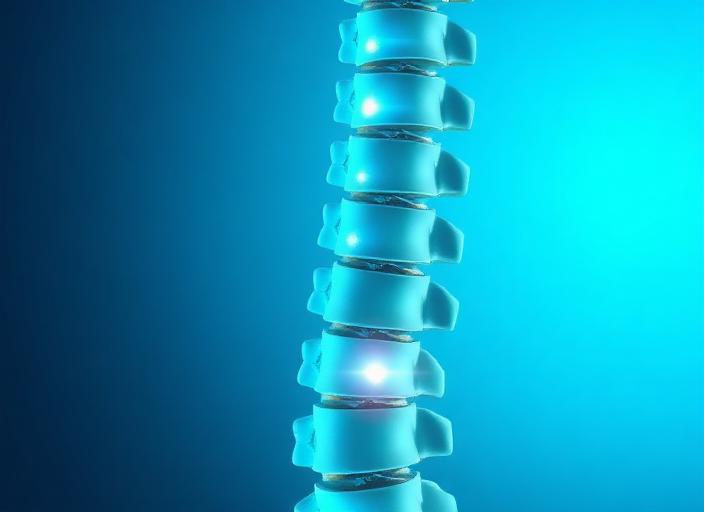
    Your spine is made up of 33 vertebrae stacked on top of each other. Between each vertebra sits a spinal disc that acts as a shock absorber and allows for flexibility. Each disc has two parts:

    • Nucleus pulposus: The soft, jelly-like center
    • Annulus fibrosus: The tough, rubbery exterior

    When the annulus develops a tear or weakness, the nucleus can push through, creating a herniation.

    Common Symptoms of a Herniated Disc

    The symptoms you experience depend on where the herniation occurs and whether it's pressing on a nerve.

    Lumbar (Lower Back) Herniated Disc

    • Sharp or burning pain in the buttocks, thigh, and calf (sciatica)
    • Numbness or tingling in the leg or foot
    • Muscle weakness affecting your ability to lift your foot
    • Pain that worsens with sitting, coughing, or sneezing

    Cervical (Neck) Herniated Disc

    • Pain in the neck, shoulder, and arm
    • Numbness or tingling radiating down the arm
    • Weakness in hand grip or arm strength
    • Difficulty with fine motor skills

    What Causes Herniated Discs?

    Several factors can contribute to disc herniation:

    1. Age-related degeneration: As we age, discs lose water content and become less flexible
    2. Improper lifting: Using your back instead of your legs to lift heavy objects
    3. Repetitive motions: Jobs or activities that strain the spine
    4. Obesity: Excess weight puts additional stress on the discs
    5. Genetics: Some people inherit a predisposition to disc problems
    6. Sedentary lifestyle: Weak core muscles provide less spinal support

    Treatment Options

    Conservative Treatment

    Most herniated discs improve with conservative treatment within 4-6 weeks:

    • Rest and activity modification: Avoiding movements that worsen pain
    • Physical therapy: Exercises to strengthen core and improve flexibility
    • Medications: Anti-inflammatory drugs, muscle relaxants, or pain relievers
    • Epidural steroid injections: Reduces inflammation around the nerve

    Surgical Treatment

    Surgery may be recommended if conservative treatments fail after 6-12 weeks, or if you experience:

    • Progressive neurological symptoms
    • Significant weakness
    • Loss of bladder or bowel control (medical emergency)

    Minimally Invasive Spine Surgery

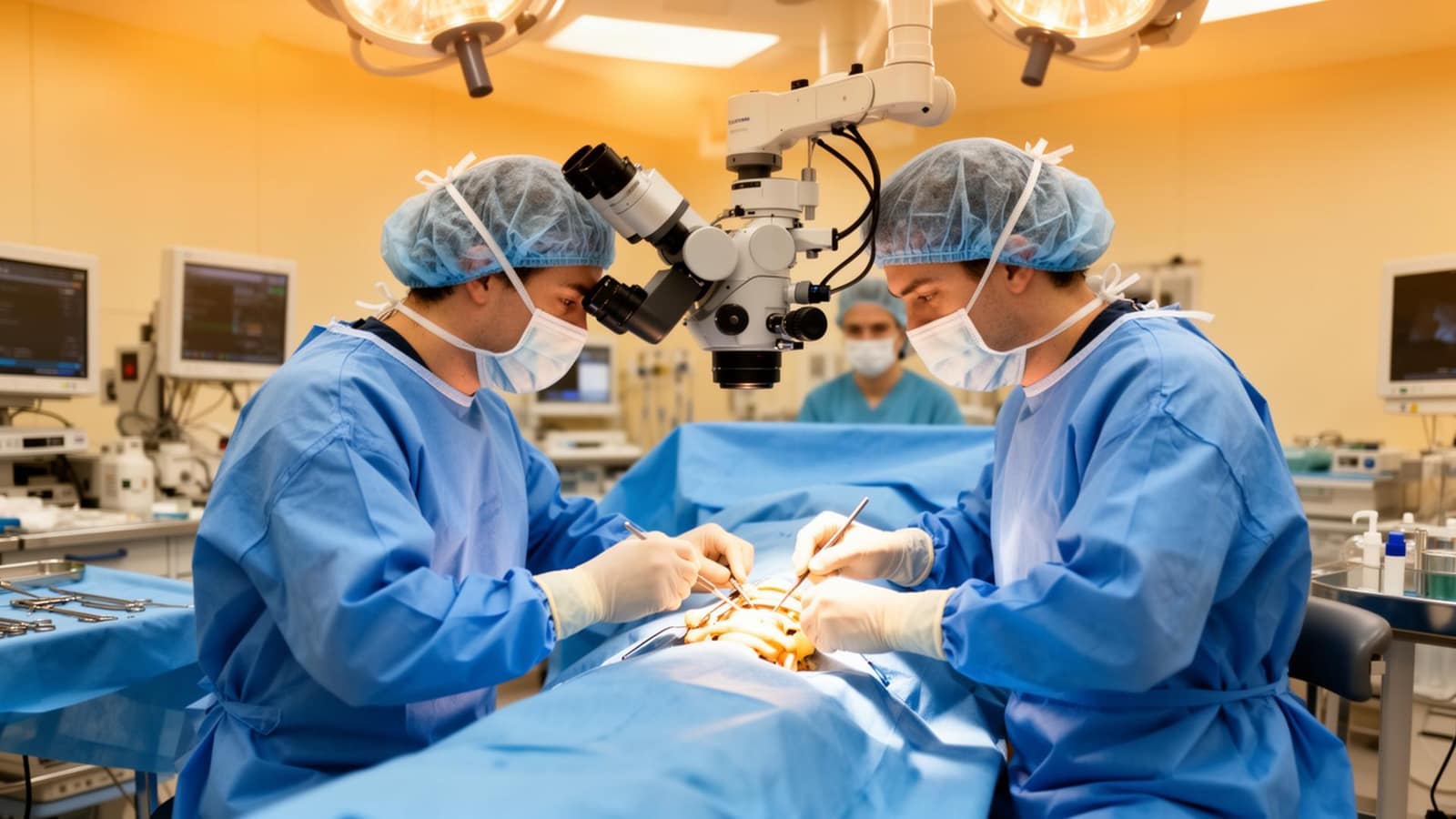
    At Nova Brain and Spine of GA, Dr. Jerry Walters II specializes in minimally invasive techniques including:

    • Microdiscectomy: Removes the herniated portion of the disc through a small incision
    • Endoscopic discectomy: Uses a tiny camera for even smaller incisions
    • Laser disc decompression: For select cases

    Benefits of minimally invasive surgery include:

    • Smaller incisions (often less than 1 inch)
    • Less blood loss
    • Reduced infection risk
    • Faster recovery time
    • Less post-operative pain
    • Same-day or next-day discharge

    When to Seek Medical Attention

    Contact a spine specialist if you experience:

    • Pain that doesn't improve after several weeks
    • Numbness or weakness that's getting worse
    • Difficulty standing or walking
    • Loss of bladder or bowel control (seek immediate care)

    Get an MRI Review

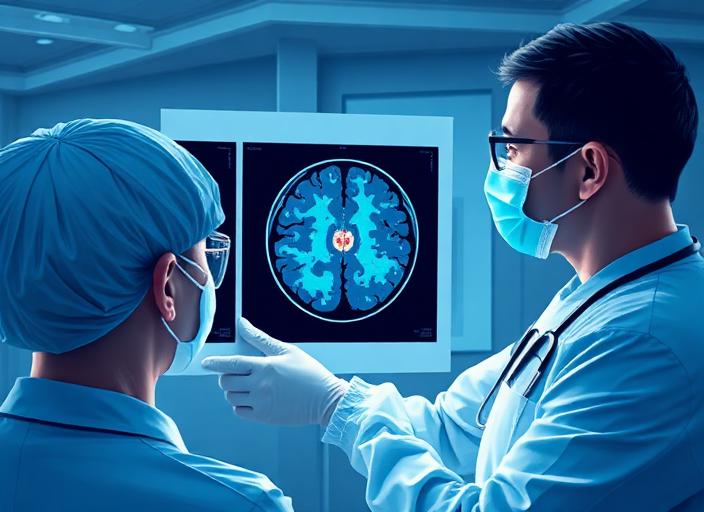
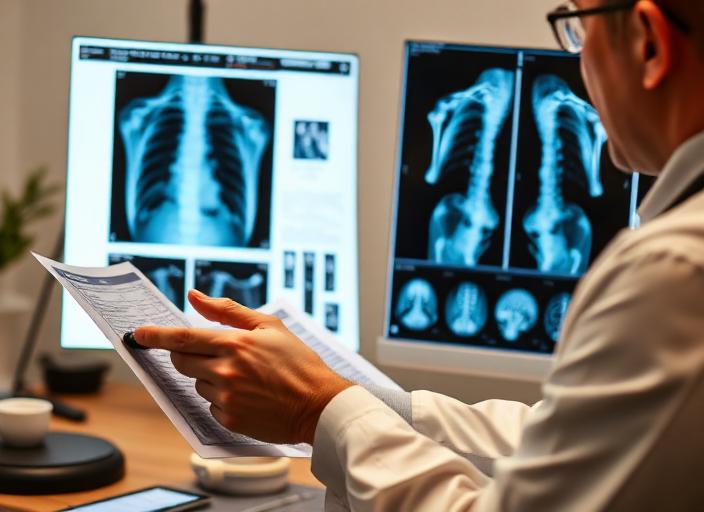
    If you've been diagnosed with a herniated disc or are experiencing back or leg pain, Nova Brain and Spine of GA offers MRI reviews. Our board-certified spine surgeon will evaluate your imaging and discuss your treatment options.

    Contact us at (770) 297-8133 to schedule your consultation.

    Related Topics

    herniated disc
    back pain
    sciatica
    spine surgery
    minimally invasive

    Dr. Jerry Walters II

    Board-Certified Neurosurgeon & Spine Specialist

    Board-certified neurosurgeon at Nova Brain and Spine of GA, providing expert care in Hampton, Georgia.

    Ready to Take the Next Step?

    Our board-certified neurosurgeons are here to help. Explore your options or schedule a consultation today.

    Related Articles

    Brain Conditions

    Epidural vs. Subdural Hematoma: A Complete Patient & Student Guide

    A clear, side-by-side comparison of epidural and subdural hematomas — the bleeding source, onset speed, CT appearance, clinical presentation, and how neurosurgeons treat each.

    Dr. Marcus Stephens
    Jun 24, 2026
    8 min read
    Read full article
    Brain Conditions

    Brain Hematoma vs Brain Hemorrhage: Key Differences, Symptoms, and Treatment

    Hematoma and hemorrhage both involve bleeding in or around the brain, but they're not the same. Learn how neurosurgeons tell them apart and how each is treated.

    Dr. Marcus Stephens
    Jun 22, 2026
    7 min read
    Read full article
    Local Care

    Neurosurgeon in Hampton, GA — Herniated Disc Relief & Brain and Spine Care

    A neurosurgeon's guide for Hampton, Henry County residents: herniated disc relief, the conditions we treat most from your area, the drive from Hampton to our Hampton office, and how we coordinate with Piedmont Henry Hospital in Stockbridge.

    Dr. Jerry Walters II
    Jun 20, 2026
    7 min read
    Read full article