







    Skip to main content
    Call Now: (770) 515-8770Schedule Today!
    Back to Procedures
    spine Procedure

    Lumbar Fusion with Instrumentation (PLIF/TLIF)

    Posterior lumbar fusion with pedicle screws and cages for spinal instability, often multilevel.

    Dr. Marcus Stephens and Dr. Jerry Walters II
    Recovery: 6-12 weeks initial recovery, 6-12 months for full fusion
    Hampton, GA

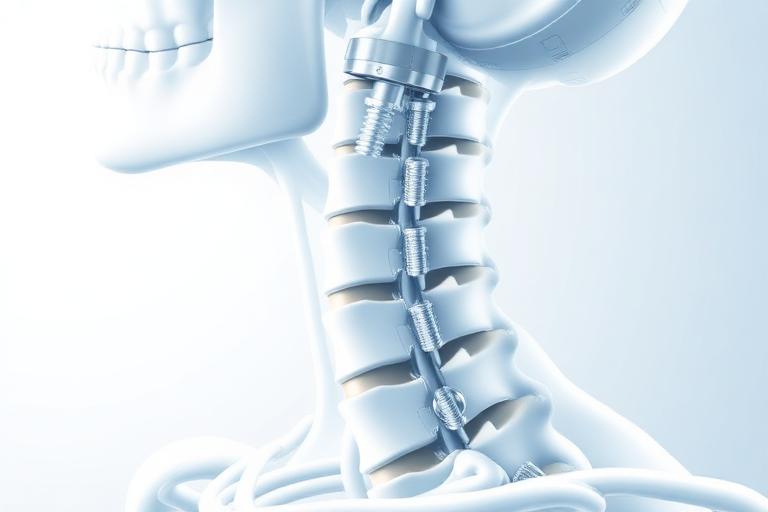
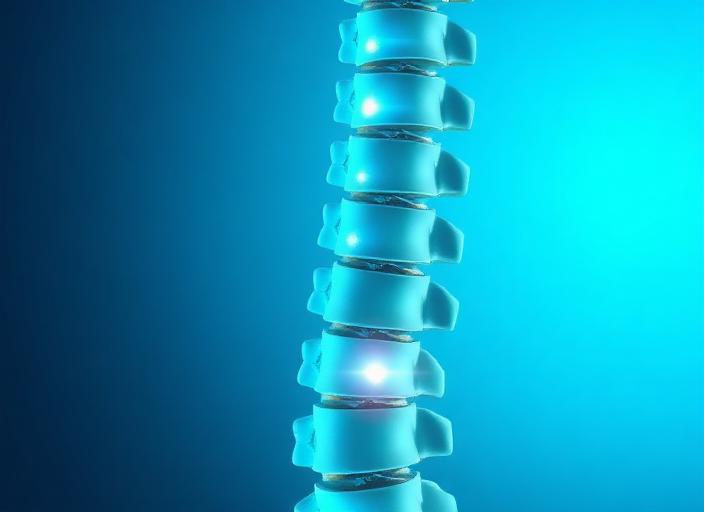
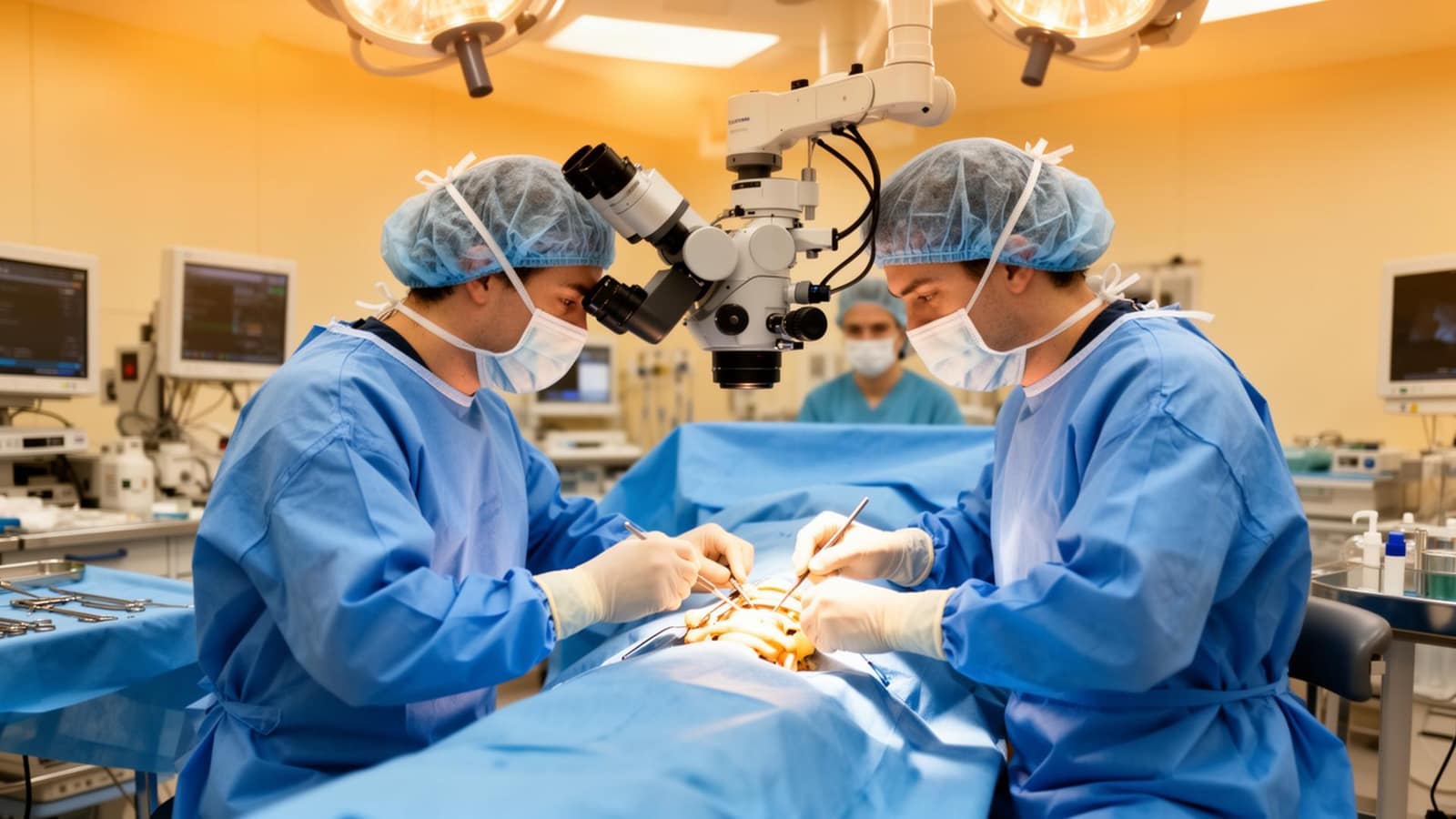
    Lumbar fusion with instrumentation is a surgical procedure that uses pedicle screws, rods, and interbody cages to permanently stabilize one or more segments of the lumbar spine. This is one of the most effective treatments for spinal instability, severe degenerative disc disease, and spondylolisthesis.

    Types of Posterior Lumbar Fusion

    PLIF (Posterior Lumbar Interbody Fusion)

    • Approach from the back of the spine
    • Two cages placed symmetrically into the disc space
    • Pedicle screws and rods provide posterior stabilization
    • Excellent for central stenosis with instability

    TLIF (Transforaminal Lumbar Interbody Fusion)

    • Approach from one side through the foramen
    • Single cage placed obliquely into the disc space
    • Less nerve retraction than PLIF
    • Can be performed with minimally invasive techniques (MIS-TLIF)

    When Lumbar Fusion with Instrumentation is Needed

    • Spondylolisthesis: Vertebral slippage requiring stabilization
    • Degenerative disc disease: With instability or failed conservative care
    • Recurrent disc herniation: After failed microdiscectomy
    • Spinal stenosis with instability: Decompression alone insufficient
    • Spinal fractures: Requiring stabilization
    • Adult degenerative scoliosis: Multilevel correction

    Multilevel Lumbar Fusion

    Many patients require fusion at two or more levels. Dr. Jerry Walters II has extensive experience with multilevel constructs:

    • Two-level fusion: L4-S1 or L3-L5 commonly
    • Three or more levels: For extensive disease or deformity
    • Modern instrumentation allows shorter, stronger constructs
    • Interbody cages restore disc height and lordosis

    The Instrumentation

    • Pedicle screws: Titanium screws placed into the vertebral pedicles
    • Rods: Connect the screws to form a rigid construct
    • Interbody cages: PEEK or titanium spacers filled with bone graft
    • Bone graft: Promotes biological fusion between vertebrae

    Recovery

    • Hospital stay: 1-3 days depending on levels fused
    • Weeks 1-4: Walking, light activities, no bending/lifting/twisting
    • Weeks 4-8: Physical therapy begins, gradual activity increase
    • Months 3-6: Progressive strengthening, return to work
    • Months 6-12: Full bony fusion occurs

    Our Hampton, GA practice provides expert lumbar fusion surgery for patients throughout Southern Georgia and Metro Atlanta.

    Key Benefits

    • Stabilizes unstable spinal segments
    • Addresses both compression and instability
    • Modern instrumentation for reliable fusion
    • Minimally invasive options available (MIS-TLIF)
    • Effective for multilevel disease

    Recovery Time

    6-12 weeks initial recovery, 6-12 months for full fusion

    Related Spine Procedures

    Minimally Invasive Spine Surgery

    Advanced techniques using smaller incisions for faster recovery from spine conditions.

    Learn More

    Microdiscectomy

    Minimally invasive surgery to remove herniated disc material pressing on nerves.

    Learn More

    Laminectomy

    Surgery to remove bone and tissue compressing spinal nerves in spinal stenosis.

    Learn More