



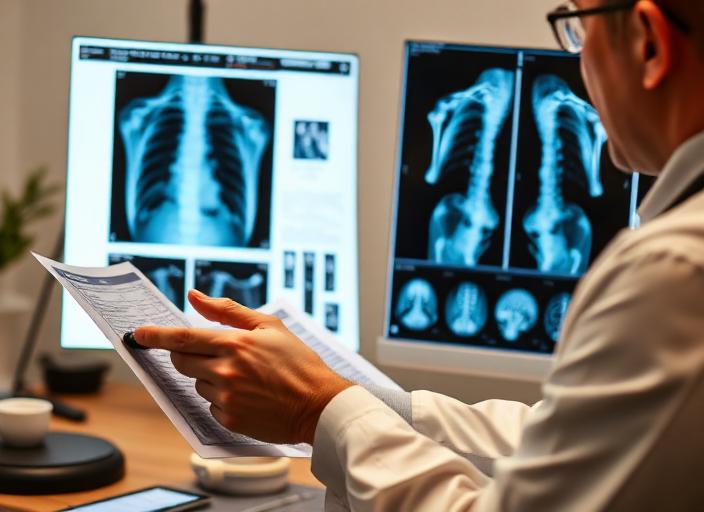


What is Minimally Invasive Spine Surgery?
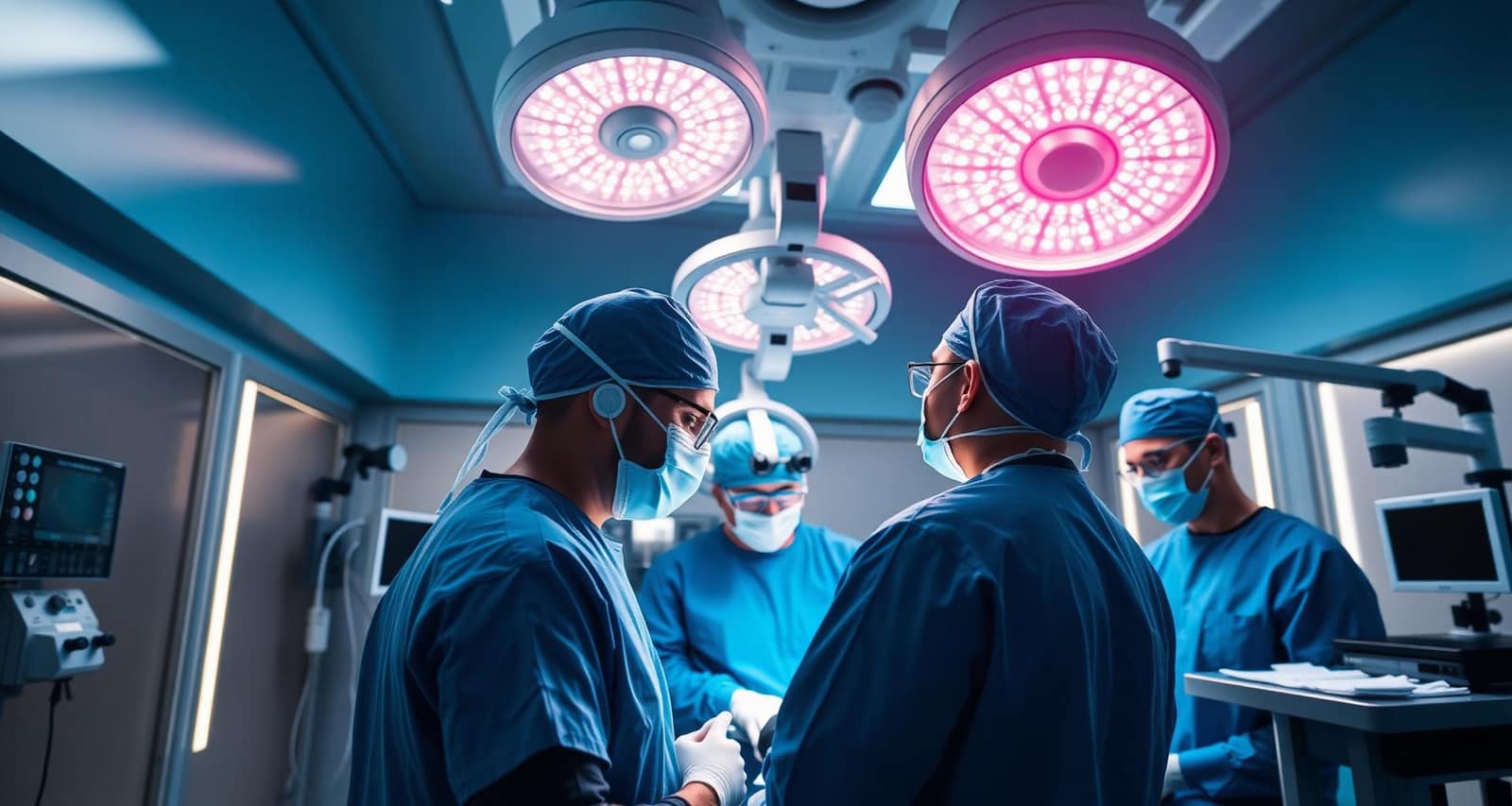
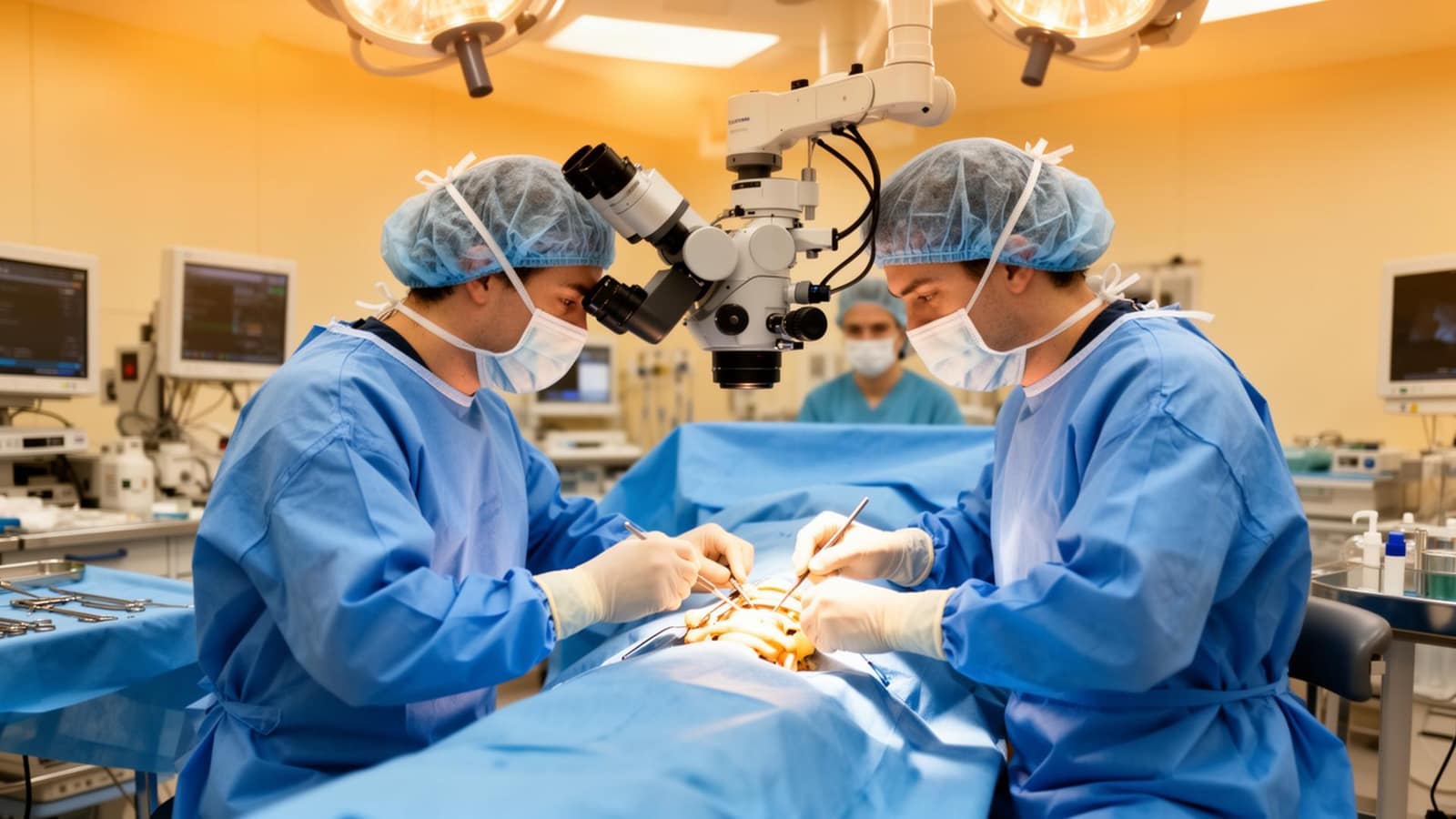
Minimally invasive spine surgery (MISS) is a modern approach to treating spine conditions through small incisions rather than large, open incisions. Using specialized instruments, cameras, and advanced imaging, surgeons can perform complex procedures with significantly less disruption to muscles and tissues.
How It Differs from Traditional Surgery
Traditional Open Surgery:
- Large incision (4-6 inches or more)
- Muscles cut and moved aside
- Direct visualization of the spine
- Longer hospital stays
- Extended recovery period
Minimally Invasive Surgery:
- Small incisions (often under 1 inch)
- Muscles pushed aside, not cut
- Camera-assisted visualization
- Often same-day or next-day discharge
- Faster return to normal activities
Benefits of Minimally Invasive Spine Surgery
1. Smaller Incisions
- Less scarring
- Lower risk of infection
- Reduced blood loss
- Better cosmetic outcome
2. Reduced Muscle Damage
- Muscles are dilated rather than cut
- Less post-operative pain
- Faster healing
- Better preservation of spinal stability
3. Faster Recovery
- Shorter hospital stays (often outpatient)
- Quicker return to work
- Earlier return to normal activities
- Reduced need for pain medication
4. Lower Complication Rates
- Reduced risk of infection
- Less blood loss
- Lower risk of muscle weakness
- Decreased risk of spinal instability
Common Minimally Invasive Procedures
Microdiscectomy
Purpose: Remove herniated disc material pressing on a nerve
The Procedure:
- Small incision (about 1 inch)
- Microscope or camera for visualization
- Removes only the herniated portion
- Preserves most of the disc
Recovery: Most patients go home the same day and return to light activity within 1-2 weeks
Minimally Invasive Laminectomy
Purpose: Relieve pressure on spinal nerves (decompression)
The Procedure:
- Removes a portion of the lamina (roof of spinal canal)
- Creates more room for nerves
- Can be done with tubular retractors
Best For: Spinal stenosis, bone spurs
MIS-TLIF (Transforaminal Lumbar Interbody Fusion)
Purpose: Stabilize the spine and relieve nerve pressure
The Procedure:
- Disc removed and replaced with spacer
- Bone graft promotes fusion
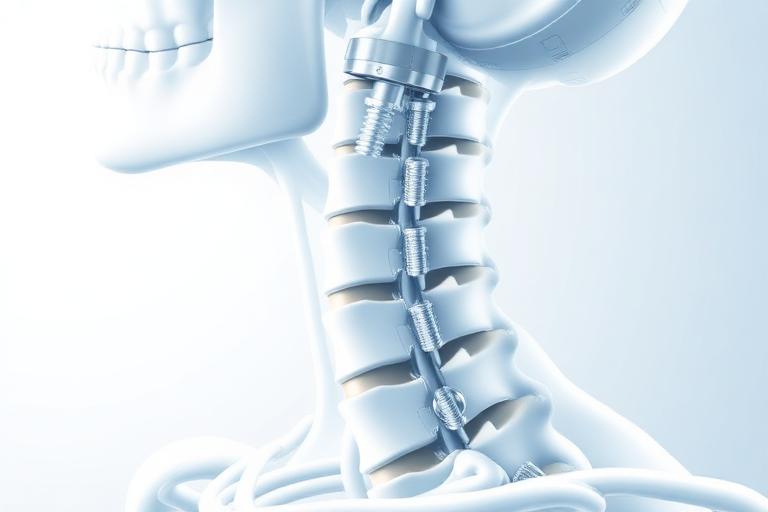
- Screws and rods provide stability
- All through small incisions
Best For: Degenerative disc disease, spondylolisthesis, recurrent disc herniation
Lateral Interbody Fusion (XLIF/OLIF)
Purpose: Spine fusion through the side
The Procedure:
- Approach through the side of the body
- Avoids major back muscles entirely
- Large spacer can be inserted
- Combined with posterior instrumentation if needed
Best For: Degenerative disc disease, adult scoliosis
Endoscopic Spine Surgery
Purpose: Ultra-minimally invasive procedures
The Procedure:
- Incisions as small as 7mm
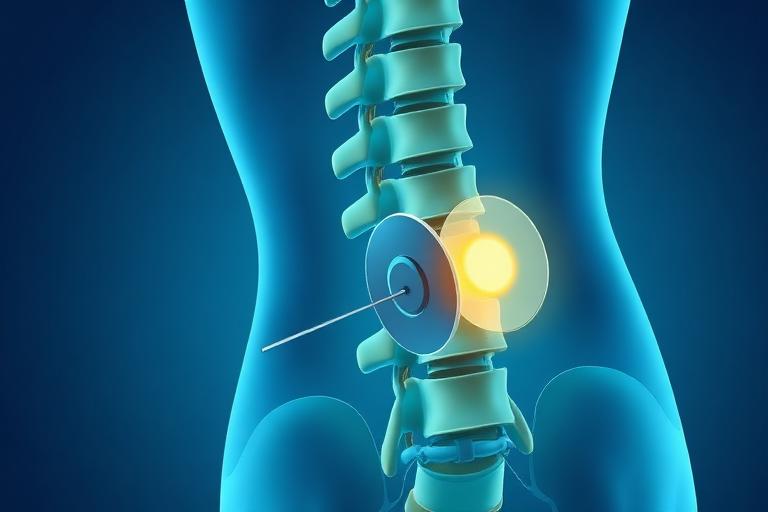
- Camera inserted directly into spine
- Real-time visualization on monitor
- Local or light sedation often sufficient
Best For: Select disc herniations, foraminal stenosis
Conditions Treated with MISS
Dr. Jerry Walters II uses minimally invasive techniques to treat:
- Herniated discs
- Spinal stenosis
- Degenerative disc disease
- Spondylolisthesis
- Sciatica
- Bone spurs
- Spinal tumors (select cases)
- Compression fractures
- Failed back surgery syndrome
What to Expect
Before Surgery
- Pre-operative evaluation and testing
- Review of all imaging studies
- Discussion of procedure, risks, and benefits
- Optimization of medical conditions
- Pre-surgical instructions provided
Day of Surgery
- Arrive at surgical center
- Anesthesia administered
- Procedure performed (typically 1-3 hours)
- Recovery room monitoring
- Often discharged same day
After Surgery
Day 1-3:
- Walking encouraged immediately
- Light activity at home
- Pain medication as needed
- Incision care instructions
Week 1-2:
- Gradual increase in activity
- Follow-up appointment
- Begin gentle exercises
Week 2-6:
- Progressive return to normal activities
- Physical therapy may begin
- Most patients return to work (desk jobs)
Month 2-3:
- Full recovery for most procedures
- Resume all normal activities
- Sports and heavy labor with clearance
Am I a Candidate?
Minimally invasive surgery may be right for you if:
- Conservative treatments haven't provided relief
- You have a specific, treatable condition
- You're in reasonably good overall health
- You want to minimize recovery time
- You prefer a less invasive approach
Some conditions may still require traditional open surgery for the best outcome. Your surgeon will discuss all options with you.
Why Choose Nova Brain and Spine for MISS
Dr. Jerry Walters II brings extensive training and experience in minimally invasive techniques:
- Fellowship-trained in advanced spine surgery
- Hundreds of successful minimally invasive procedures
- State-of-the-art surgical equipment
- Dedicated focus on patient outcomes
- Comprehensive pre- and post-operative care
Schedule Your Consultation
If you're considering spine surgery, learn whether a minimally invasive approach is right for you. We offer MRI reviews to evaluate your condition and discuss treatment options.
Call (770) 297-8133 to schedule your MRI review and consultation.
Related Topics
Dr. Jerry Walters II
Board-Certified Neurosurgeon & Spine Specialist
Board-certified neurosurgeon at Nova Brain and Spine of GA, providing expert care in Hampton, Georgia.
Ready to Take the Next Step?
Our board-certified neurosurgeons are here to help. Explore your options or schedule a consultation today.