Functional neurosurgery encompasses procedures that modify brain circuits to treat neurological conditions such as epilepsy, movement disorders, and chronic pain. These include deep brain stimulation (DBS), epilepsy surgery, and other neuromodulation techniques.
Deep Brain Stimulation (DBS)
What is DBS?
Deep brain stimulation involves implanting thin electrodes into specific targets deep within the brain. These electrodes deliver carefully controlled electrical impulses that modulate abnormal brain circuits.
Conditions Treated with DBS
- Parkinson's disease: Tremor, rigidity, and bradykinesia
- Essential tremor: Uncontrollable hand or head tremor
- Dystonia: Involuntary muscle contractions
- Medication-resistant epilepsy: Anterior nucleus thalamic stimulation
The DBS Procedure
- Planning: High-resolution MRI for target identification
- Frame placement: Stereotactic frame or frameless navigation
- Lead implantation: Electrodes placed with millimeter precision
- Testing: Real-time clinical assessment during placement
- Generator implant: Pulse generator placed under the collarbone
- Programming: Fine-tuning stimulation parameters post-operatively
Benefits of DBS
- Adjustable and reversible
- Significant symptom improvement (often 50-70% reduction)
- Reduced medication dependence
- Improved quality of life
- Long-lasting results with periodic programming adjustments
Epilepsy Surgery
When Surgery is Considered
Epilepsy surgery is recommended when:
- Seizures are not controlled by two or more medications
- Seizures significantly impair quality of life
- A clear seizure focus can be identified
- Surgery can be performed safely
Types of Epilepsy Surgery
Resective Surgery
- Temporal lobectomy: Most common and most successful epilepsy surgery
- Lesionectomy: Removal of seizure-causing lesions (tumors, cavernomas)
- Cortical resection: Removal of seizure focus in other brain areas
Neuromodulation for Epilepsy
- Vagus nerve stimulation (VNS): Intermittent stimulation of the vagus nerve
- Responsive neurostimulation (RNS): Detects and interrupts seizure activity
- Deep brain stimulation (DBS): Thalamic stimulation for generalized epilepsy
Disconnective Surgery
- Corpus callosotomy: Prevents seizure spread between hemispheres
- Hemispherotomy: For severe unilateral epilepsy
Epilepsy Surgery Outcomes
- Temporal lobectomy: 60-80% seizure freedom
- Lesional epilepsy surgery: 70-90% seizure freedom
- Neuromodulation: Significant seizure reduction in 50-70% of patients
Our Functional Neurosurgery Program
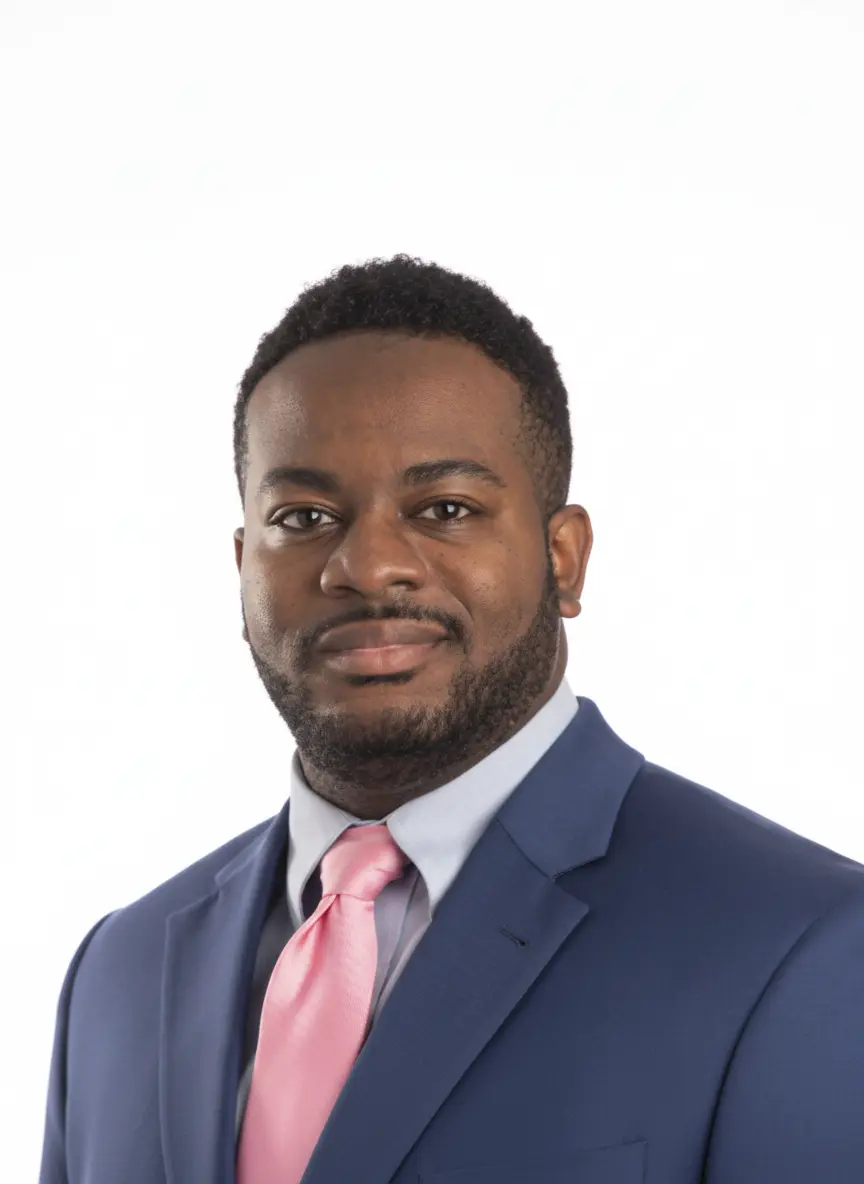
Dr. Marcus Stephens provides comprehensive functional neurosurgery services:
- Complete epilepsy evaluation and surgical planning
- State-of-the-art stereotactic and navigation-guided procedures
- Deep brain stimulation for movement disorders
- Collaboration with neurologists for optimal patient selection
- Long-term programming and follow-up care
Our Hampton, GA practice brings advanced functional neurosurgery to patients throughout Southern Georgia who previously had to travel to distant academic centers.
Key Benefits
- Significant symptom improvement for movement disorders
- Seizure freedom possible with epilepsy surgery
- Adjustable and reversible neuromodulation
- Reduced medication dependence
- Advanced stereotactic precision
Recovery Time
2-4 weeks for initial recovery, ongoing programming