


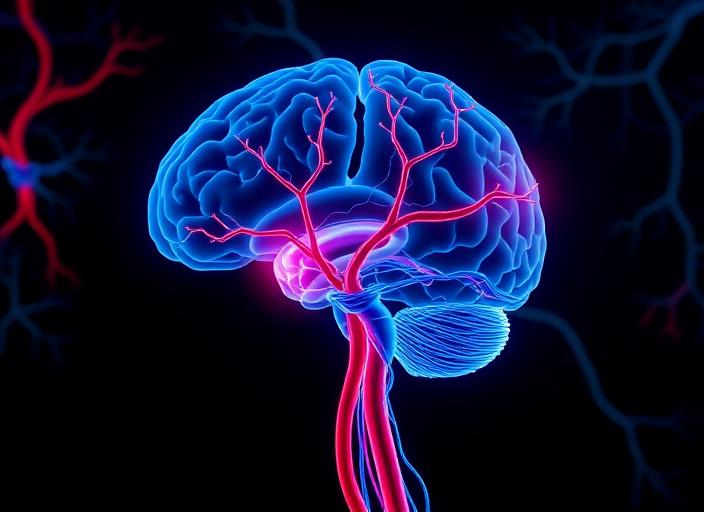





Hydrocephalus is a condition in which excess cerebrospinal fluid (CSF) accumulates within the brain's ventricles, creating dangerous pressure. At Nova Brain and Spine of GA, our neurosurgeons provide comprehensive hydrocephalus evaluation and surgical treatment.
Types of Hydrocephalus
Communicating Hydrocephalus
CSF flows freely between the ventricles but is not properly absorbed. Common causes include:
- Subarachnoid hemorrhage
- Meningitis
- Post-surgical inflammation
- Idiopathic (unknown cause)
Obstructive (Non-Communicating) Hydrocephalus
CSF flow is blocked within the ventricular system by:
- Brain tumors obstructing the aqueduct or fourth ventricle
- Congenital aqueductal stenosis
- Cysts compressing CSF pathways
Normal Pressure Hydrocephalus (NPH)
NPH is a treatable cause of dementia in adults over 60, characterized by the classic triad:
- Gait disturbance: Magnetic, shuffling gait; difficulty initiating walking
- Cognitive decline: Memory impairment, slowed processing, apathy
- Urinary incontinence: Urgency progressing to incontinence
NPH is frequently misdiagnosed as Alzheimer's or Parkinson's disease. A successful VP shunt can dramatically reverse symptoms.
Diagnosis
- MRI brain: Shows enlarged ventricles disproportionate to brain atrophy
- Lumbar puncture / high-volume tap test: Temporary CSF drainage to assess symptom improvement
- Extended lumbar drain trial: 3-day drainage for borderline cases
- Cisternography / CSF flow studies: Assess CSF dynamics
Treatment Options
VP Shunt Placement
The gold standard treatment — a programmable valve system drains excess CSF from the brain to the peritoneal cavity. Modern programmable shunts allow non-invasive pressure adjustments.
Endoscopic Third Ventriculostomy (ETV)
An alternative for obstructive hydrocephalus — creating an internal bypass for CSF flow without a permanent shunt device.
Shunt Revision Surgery
VP shunts may require revision for obstruction, infection, or over/under-drainage. Timely evaluation of shunt malfunction symptoms is critical.
When to Seek Urgent Evaluation
- Sudden severe headache with nausea/vomiting
- Vision changes or double vision
- Difficulty walking or sudden falls
- Confusion or personality changes
- In patients with existing shunts: any of the above may indicate shunt malfunction
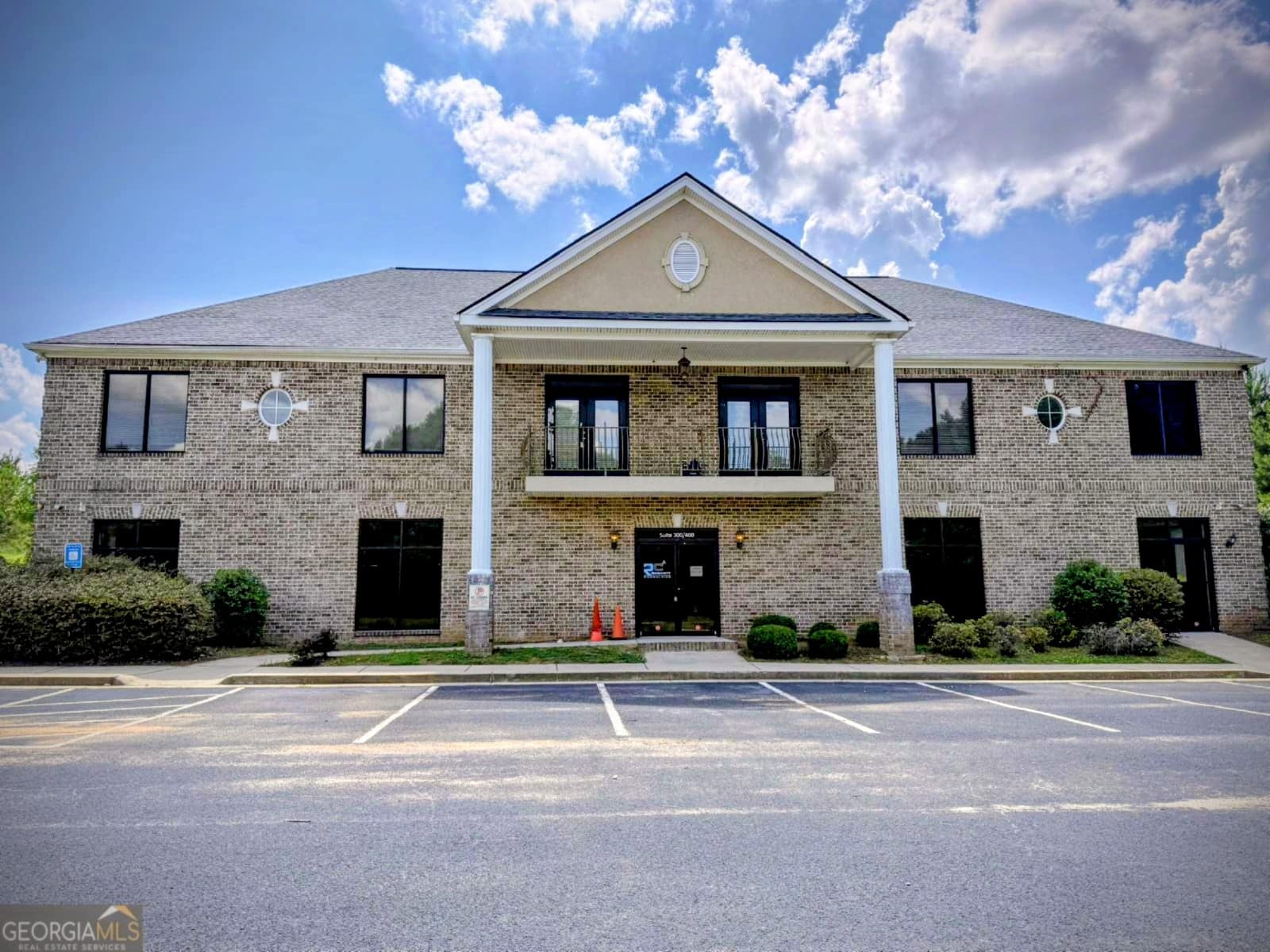
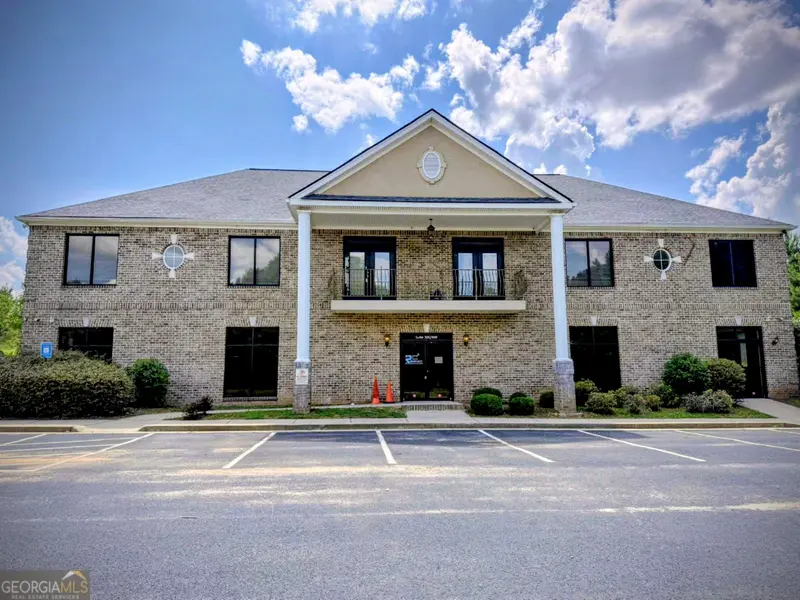
Our Hampton, GA neurosurgery practice provides expert hydrocephalus management for patients throughout Southern Georgia and the Atlanta area.
Common Symptoms
- Headache (worse in morning or when lying down)
- Nausea and vomiting
- Vision problems (blurred or double vision)
- Difficulty walking / gait instability
- Memory loss and cognitive decline
- Urinary urgency or incontinence
- Lethargy and drowsiness
- Balance problems
Treatment Options
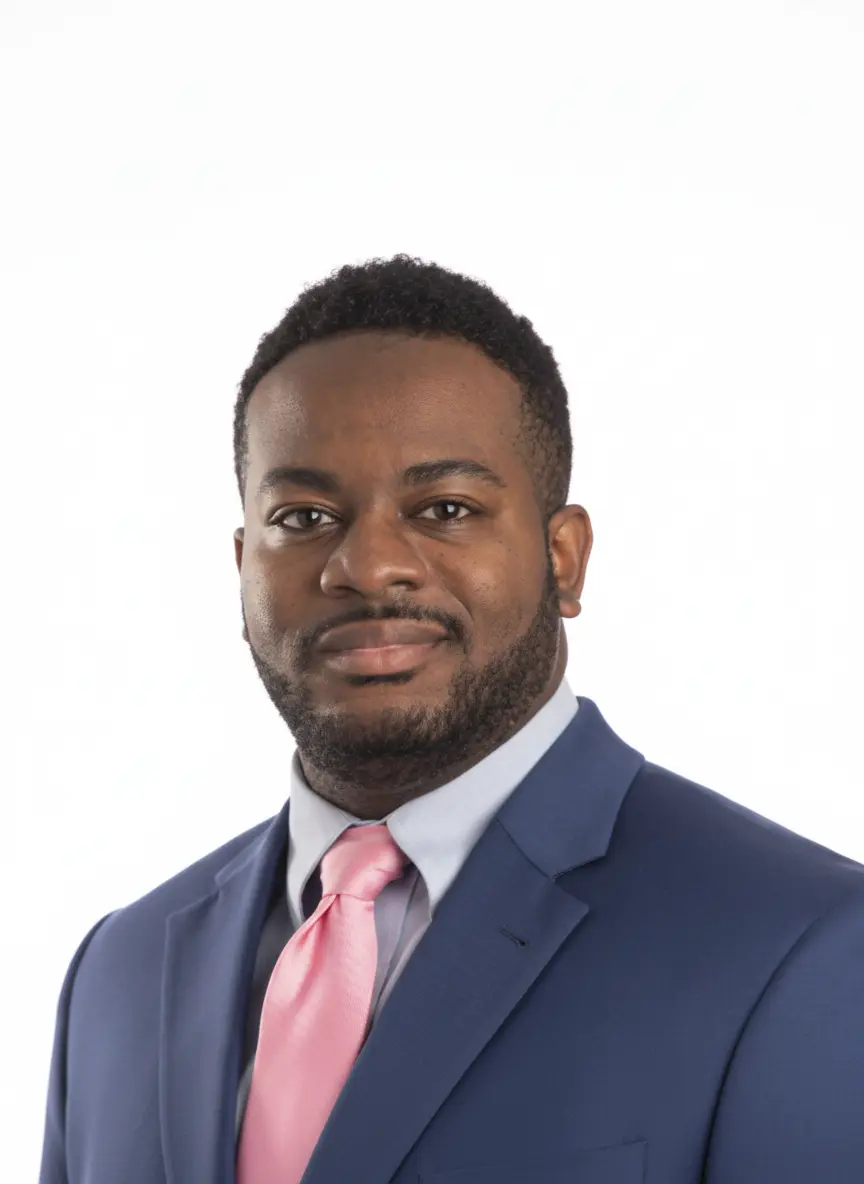
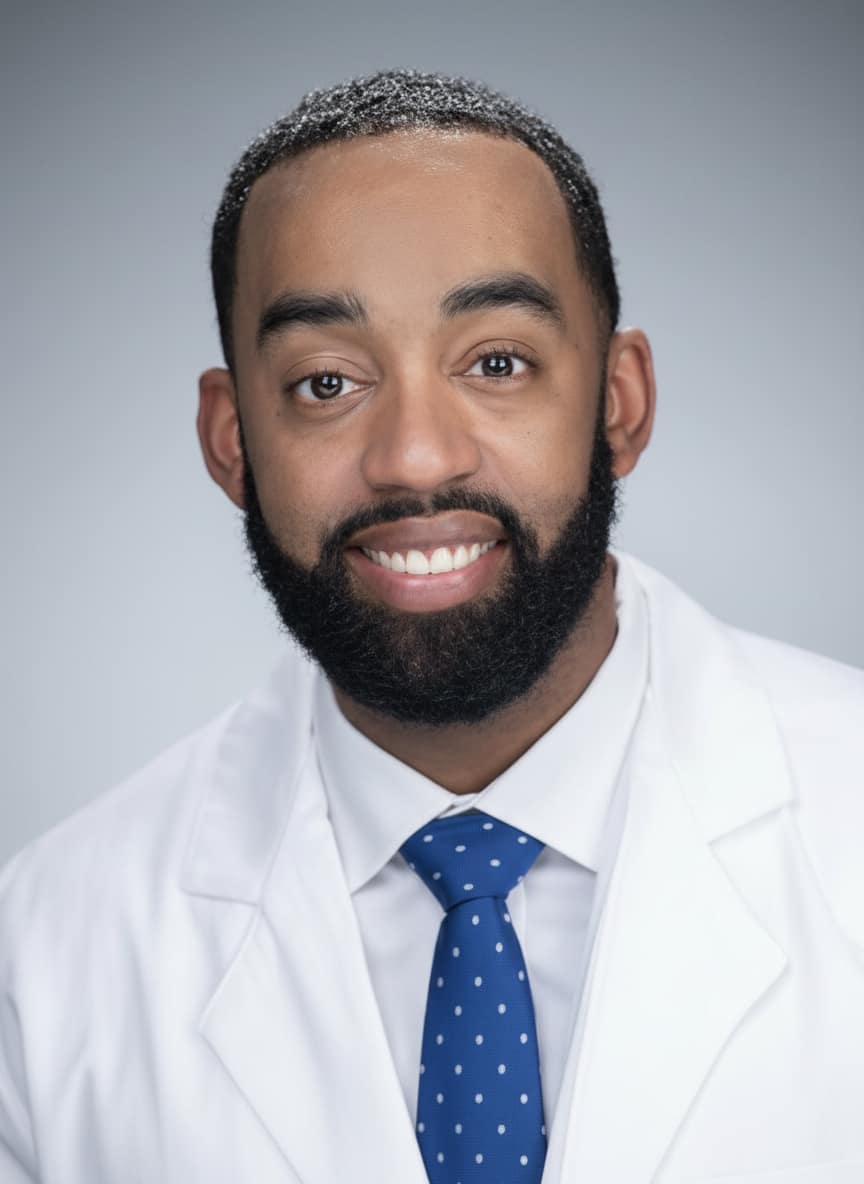
Dr. Marcus Stephens and Dr. Jerry Walters II
Board-Certified Neurosurgeon
Providing expert hydrocephalus treatment at Nova Brain and Spine of GA in Hampton, Georgia. Serving patients throughout Southern Georgia and the Atlanta metro area.