







    Skip to main content
    Call Now: (770) 515-8770Schedule Today!
    Back to Procedures
    brain Procedure

    VP Shunt Placement & Revision (CSF Diversion)

    Ventriculoperitoneal shunt surgery for hydrocephalus — draining excess cerebrospinal fluid to relieve dangerous brain pressure.

    Dr. Marcus Stephens and Dr. Jerry Walters II
    Recovery: 3-7 days hospital stay; 2-4 weeks full recovery
    Hampton, GA

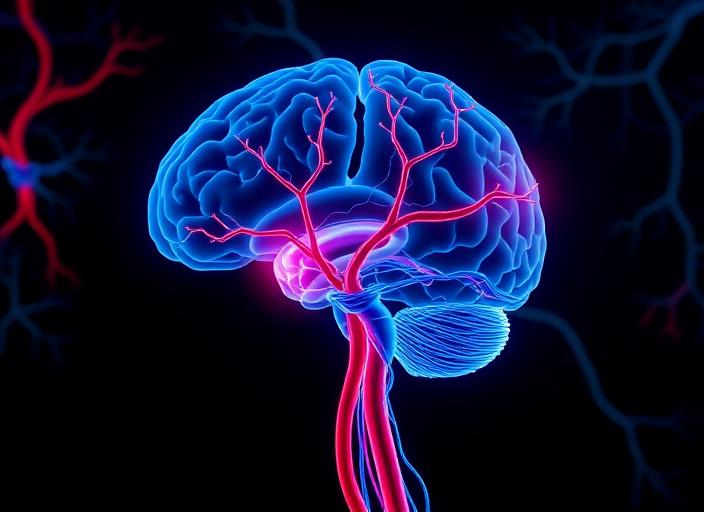
    Ventriculoperitoneal (VP) shunt placement is one of the most frequently performed neurosurgical procedures, essential for treating hydrocephalus — a condition where excess cerebrospinal fluid (CSF) accumulates in the brain's ventricles, creating dangerous pressure.

    Understanding Hydrocephalus

    Hydrocephalus can occur at any age:

    • Congenital hydrocephalus: Present at birth due to developmental abnormalities
    • Acquired hydrocephalus: Develops after birth from tumor, hemorrhage, infection, or trauma
    • Normal pressure hydrocephalus (NPH): Common in adults over 60, causing the classic triad of gait difficulty, dementia, and urinary incontinence

    How VP Shunts Work

    A VP shunt is a medical device consisting of:

    1. Ventricular catheter: A thin tube placed into a brain ventricle
    2. Valve mechanism: A programmable or fixed-pressure valve that regulates CSF flow
    3. Distal catheter: A tube tunneled under the skin to the abdominal (peritoneal) cavity where CSF is safely absorbed

    Programmable Shunt Technology

    Modern programmable valves allow non-invasive pressure adjustments using an external magnetic device, reducing the need for revision surgery.

    Shunt Revision Surgery

    VP shunts are life-sustaining devices but may require revision due to:

    • Obstruction: Tissue or debris blocking the catheter (most common cause)
    • Infection: Requiring shunt externalization and antibiotics
    • Malposition: Catheter migration requiring repositioning
    • Over-drainage/under-drainage: Valve pressure adjustment or replacement

    Approximately 4% of neurosurgical emergencies involve shunt malfunction, making timely evaluation critical.

    The Surgical Procedure

    • Duration: 1-2 hours for initial placement
    • Anesthesia: General anesthesia
    • Hospital stay: 1-3 days typically
    • Image guidance: Intraoperative navigation for optimal catheter placement
    • Success rate: Over 90% for symptom relief in appropriately selected patients

    Normal Pressure Hydrocephalus (NPH)

    NPH is often misdiagnosed as Alzheimer's disease or Parkinson's disease. The triad of symptoms includes:

    • Gait disturbance (magnetic gait, shuffling)
    • Cognitive decline (memory, attention deficits)
    • Urinary incontinence

    A lumbar drain trial or high-volume lumbar puncture can predict shunt responsiveness. VP shunt placement for NPH can dramatically improve quality of life in responsive patients.

    Nova Brain and Spine of GA provides comprehensive hydrocephalus evaluation and VP shunt management for patients throughout Southern Georgia.

    Key Benefits

    • Life-saving treatment for hydrocephalus
    • Programmable valve technology for non-invasive adjustments
    • Over 90% symptom relief rate
    • Can dramatically improve NPH symptoms in elderly patients
    • Image-guided placement for optimal results

    Recovery Time

    3-7 days hospital stay; 2-4 weeks full recovery

    Related Brain Procedures

    Craniotomy

    Surgical procedure to access the brain for tumor removal, aneurysm repair, and other conditions.

    Learn More

    Endoscopic Skull Base Surgery

    Minimally invasive approach for skull base tumors through natural openings.

    Learn More

    Cerebral Aneurysm Clipping

    Surgical treatment to prevent brain aneurysm rupture by placing a clip at the base of the aneurysm.

    Learn More