



    Skip to main content
    Call Now: (770) 515-8770Schedule Today!
    Back to Procedures
    brain Procedure

    Complex Brain Tumor Resection

    Advanced craniotomy for brain tumor removal using intraoperative navigation, monitoring, and microsurgical techniques.

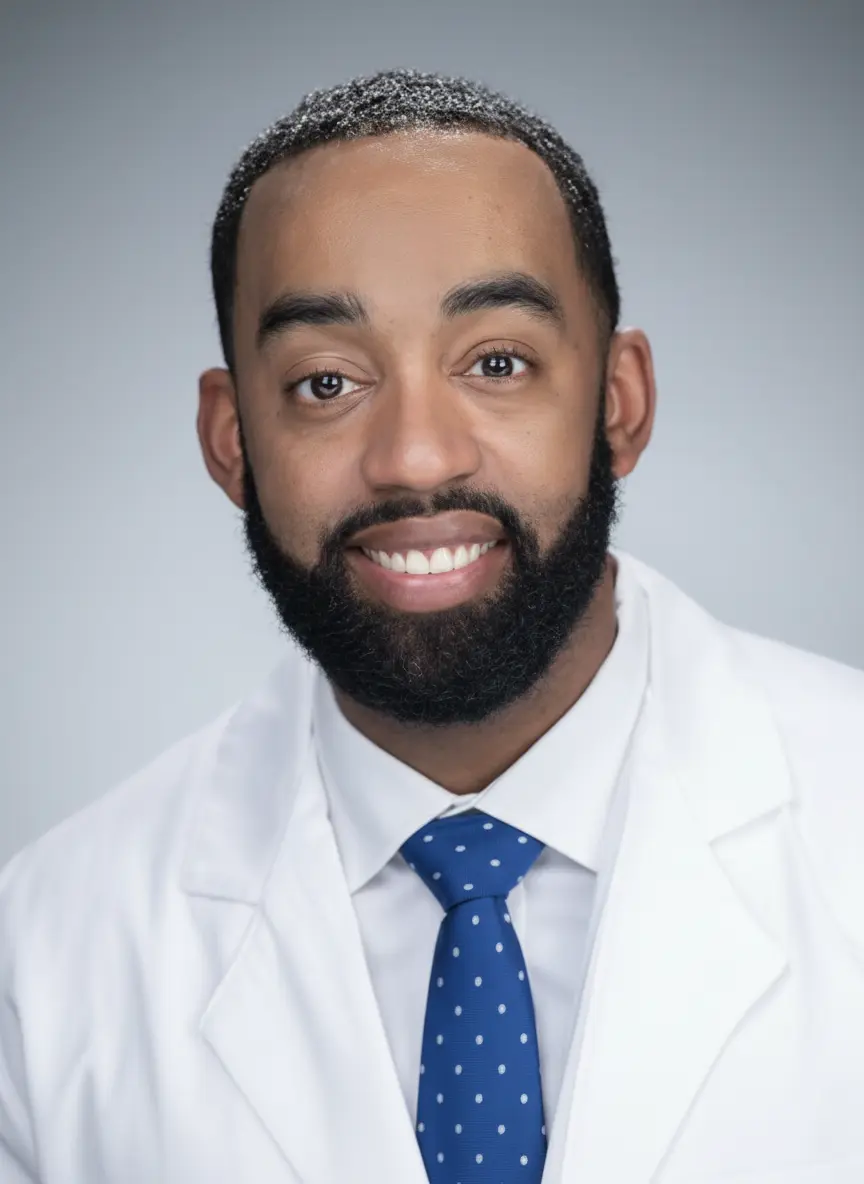
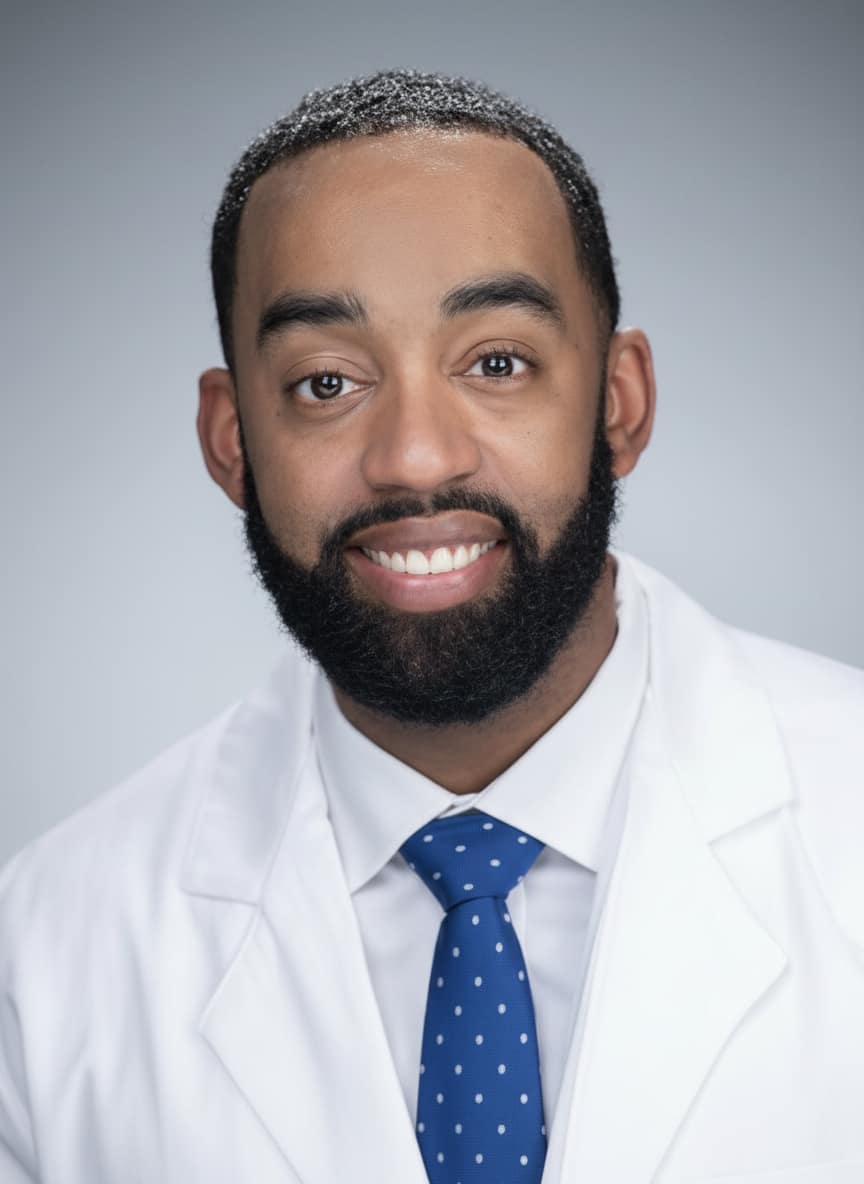
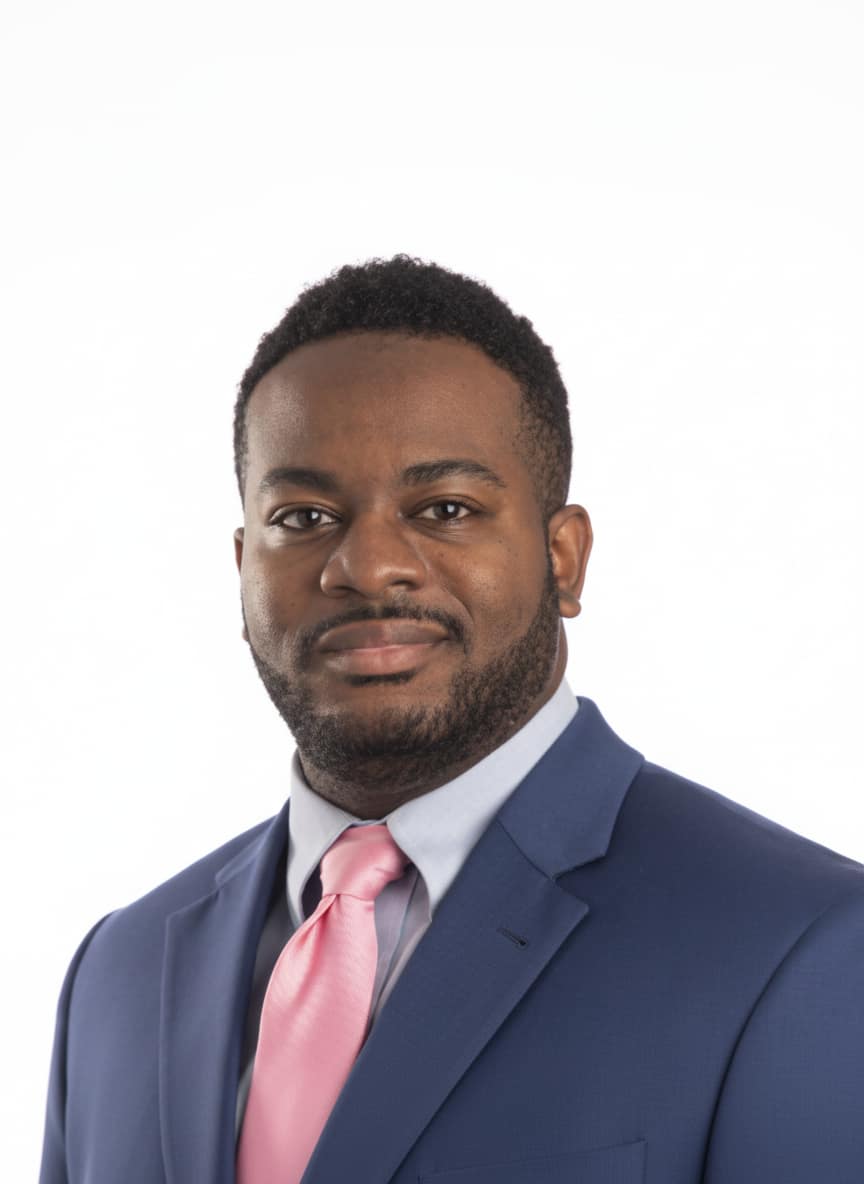
    Dr. Marcus Stephens
    Recovery: 4-8 weeks for initial recovery
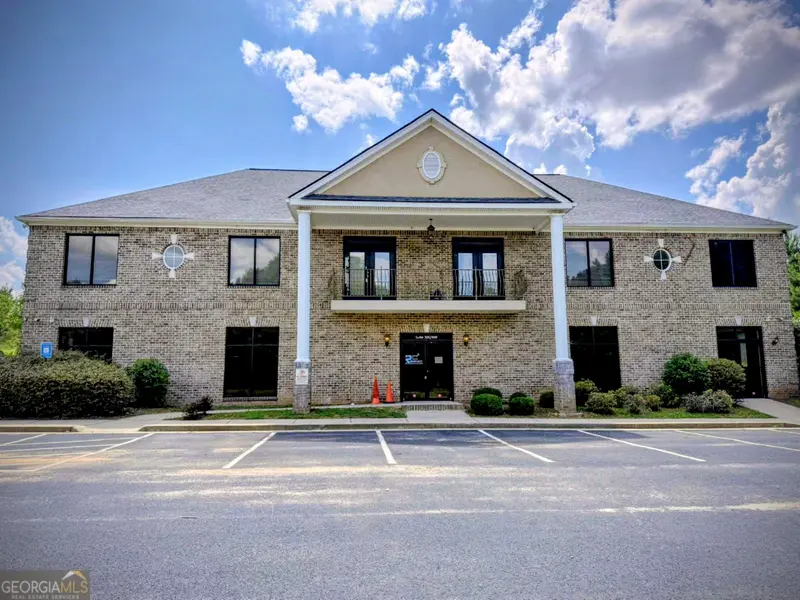
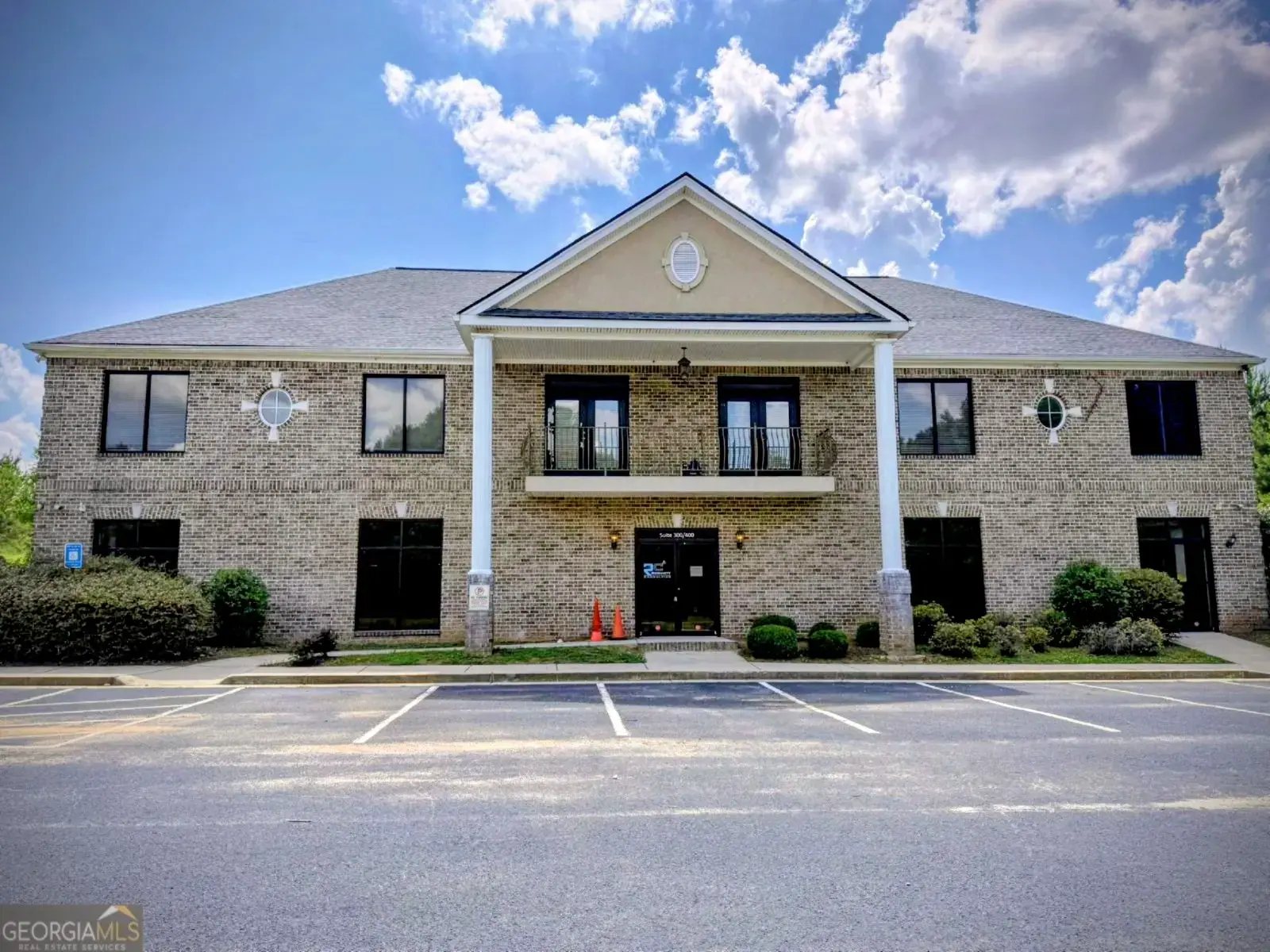
    Hampton, GA

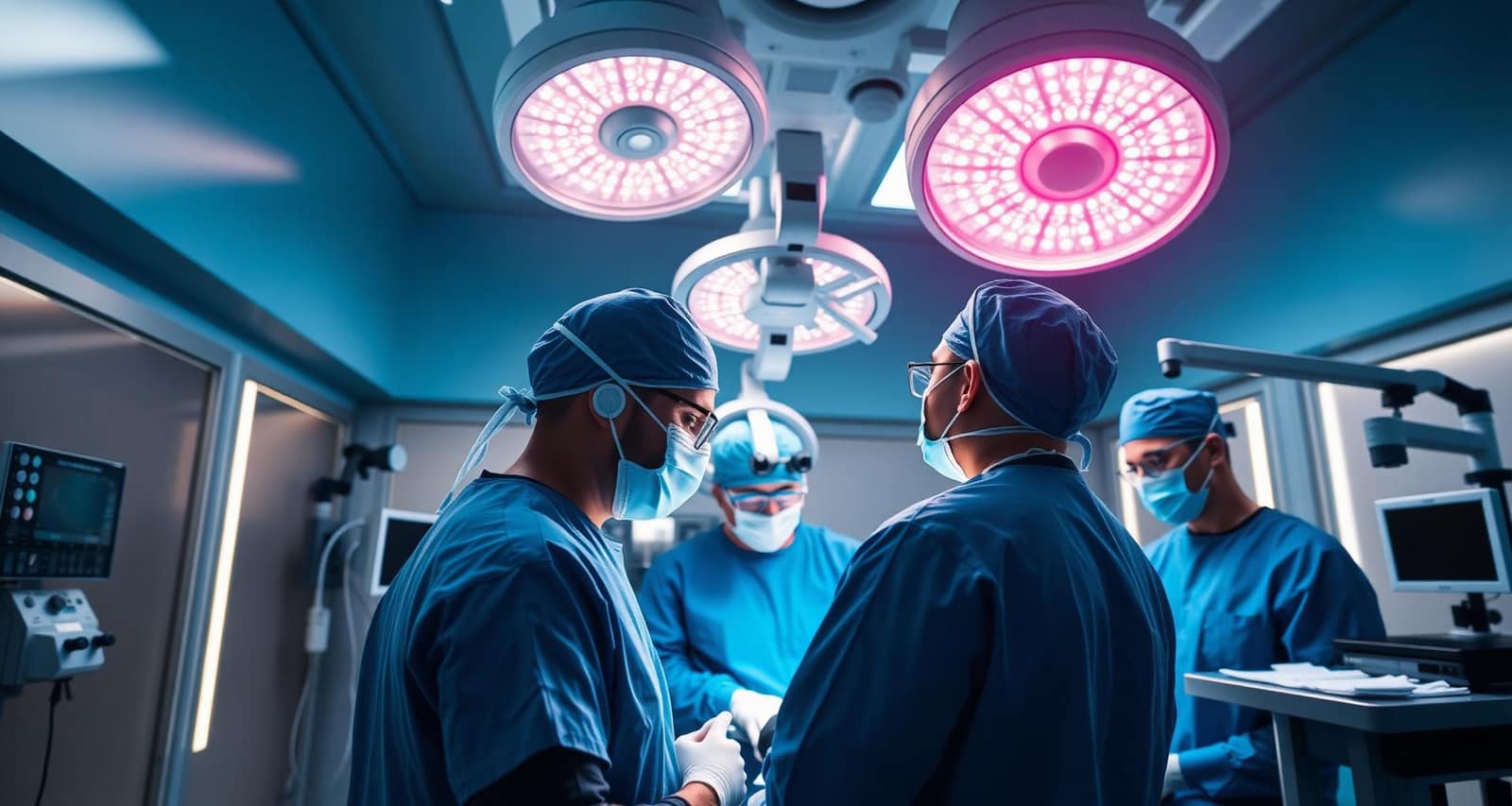
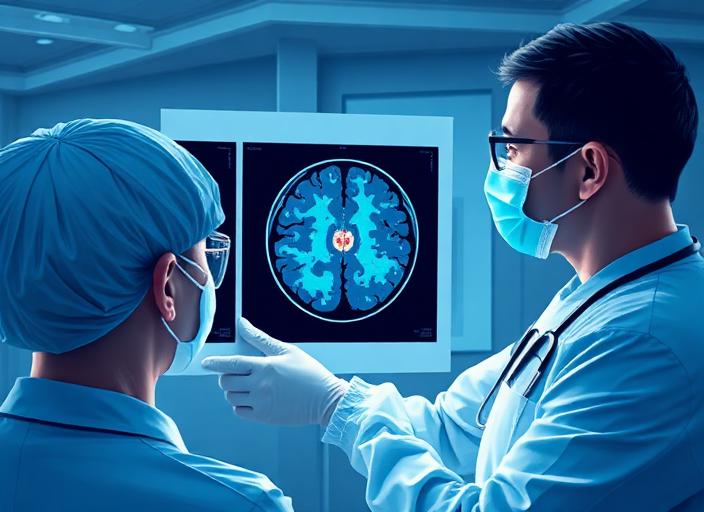
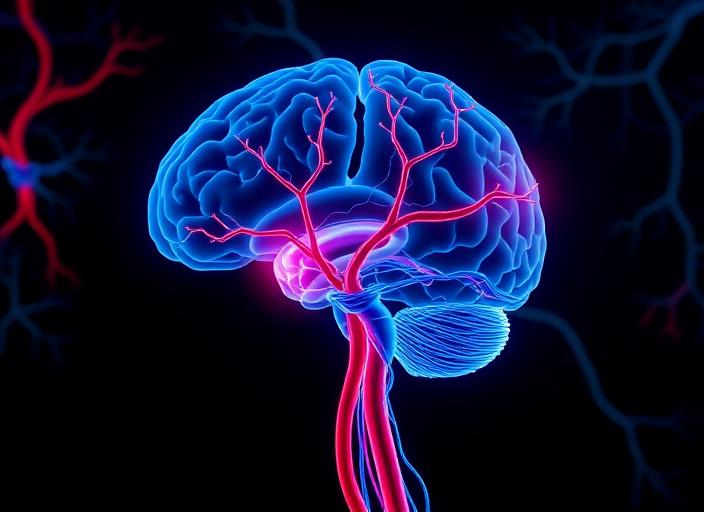
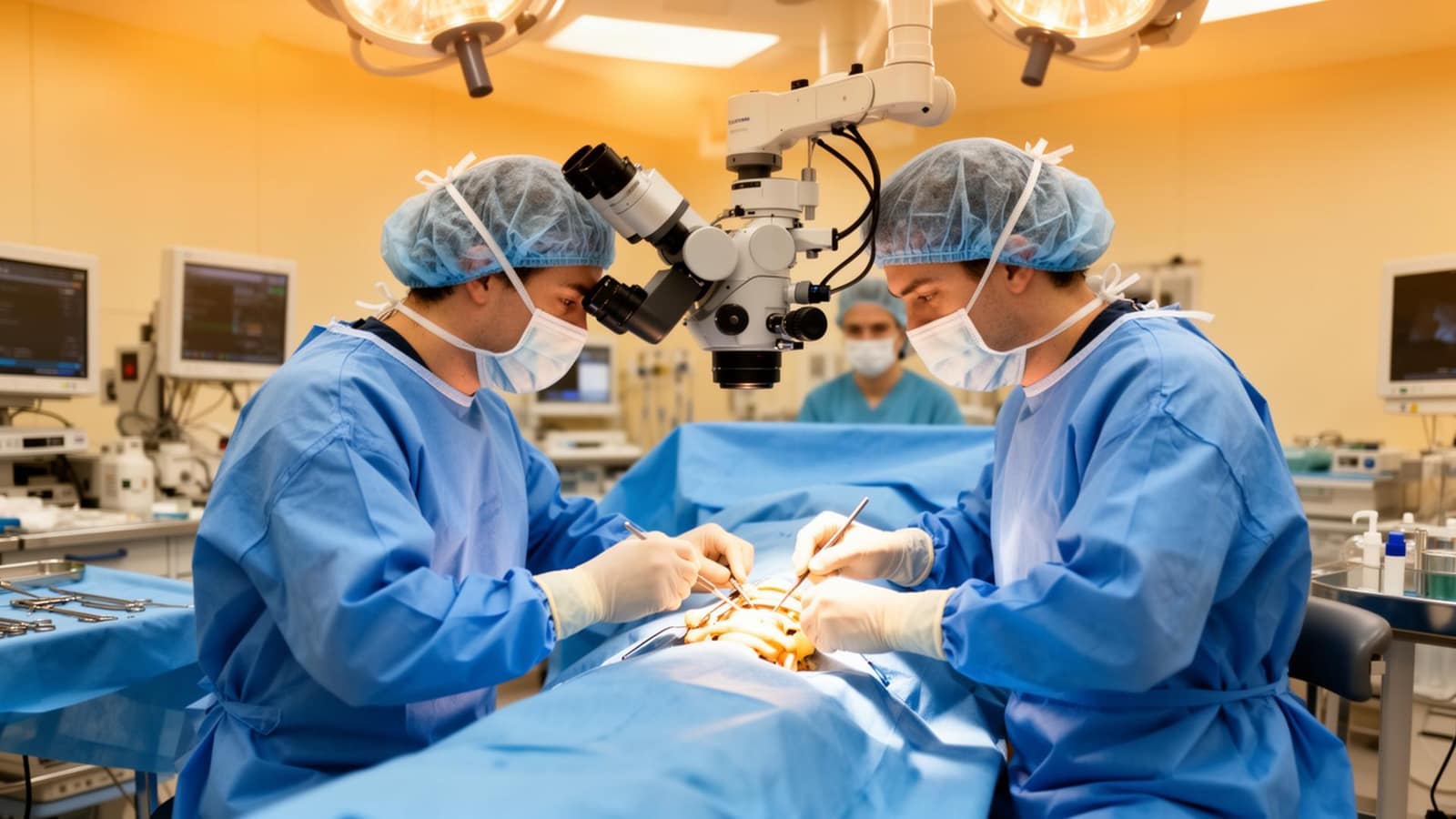
    Complex brain tumor resection involves the surgical removal of brain tumors using the most advanced techniques available, including real-time intraoperative navigation, neurophysiological monitoring, and microsurgical approaches.

    What Makes a Brain Tumor "Complex"?

    • Tumors located near critical brain areas (speech, motor, vision)
    • Large tumors with significant mass effect
    • Tumors involving major blood vessels
    • Recurrent tumors after prior surgery or radiation
    • Deep-seated tumors requiring specialized corridors
    • High-grade gliomas requiring maximal safe resection

    Advanced Technologies We Use

    Intraoperative Navigation (Neuronavigation)

    • 3D MRI-based guidance system
    • GPS-like technology for the brain
    • Real-time tracking of instruments relative to the tumor
    • Maximizes tumor removal while protecting healthy brain

    Intraoperative Neurophysiological Monitoring

    • Continuous monitoring of brain and nerve function during surgery
    • Motor evoked potentials (MEPs) for movement pathways
    • Somatosensory evoked potentials (SSEPs) for sensation pathways
    • Direct cortical stimulation to map functional areas
    • Electromyography (EMG) for cranial nerve monitoring

    Awake Craniotomy

    • Patient is awakened during critical portions of surgery
    • Real-time testing of speech, language, and motor function
    • Allows maximum tumor removal while preserving function
    • Used for tumors near language and motor areas

    Microscopic and Endoscopic Visualization

    • High-powered surgical microscope for magnification
    • Endoscope for deep-seated tumors
    • Fluorescence-guided surgery (5-ALA) for high-grade gliomas

    Types of Tumors Treated

    • Gliomas: Astrocytomas, oligodendrogliomas, glioblastoma
    • Meningiomas: Including skull base meningiomas
    • Metastatic tumors: From lung, breast, melanoma, and other cancers
    • Pituitary adenomas: Transphenoidal and transcranial approaches
    • Acoustic neuromas: Hearing-preservation techniques
    • Epidermoid and dermoid tumors
    • Craniopharyngiomas

    Our Approach

    Dr. Marcus Stephens is fellowship-trained in complex cranial surgery. Every tumor case receives:

    1. Multidisciplinary tumor board review
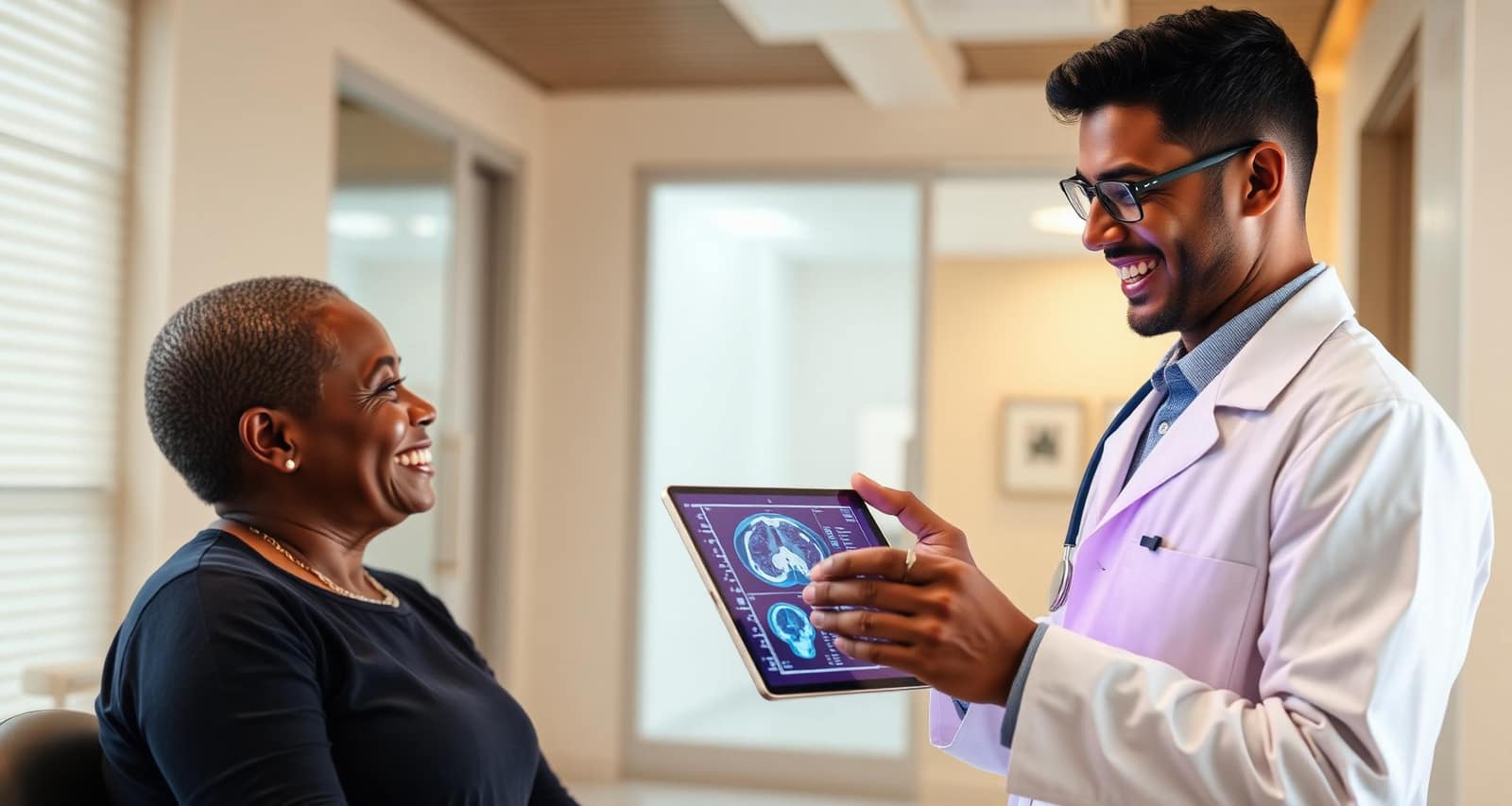
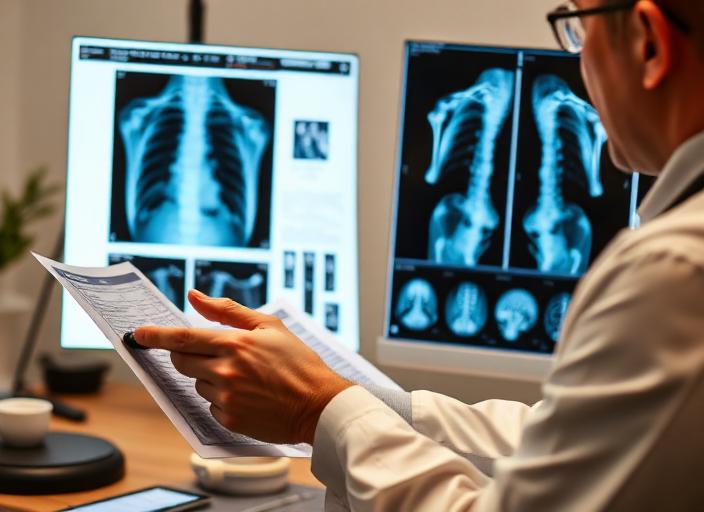
    2. Detailed preoperative planning with advanced imaging
    3. Individualized surgical approach for maximal safe resection
    4. Comprehensive postoperative care and follow-up

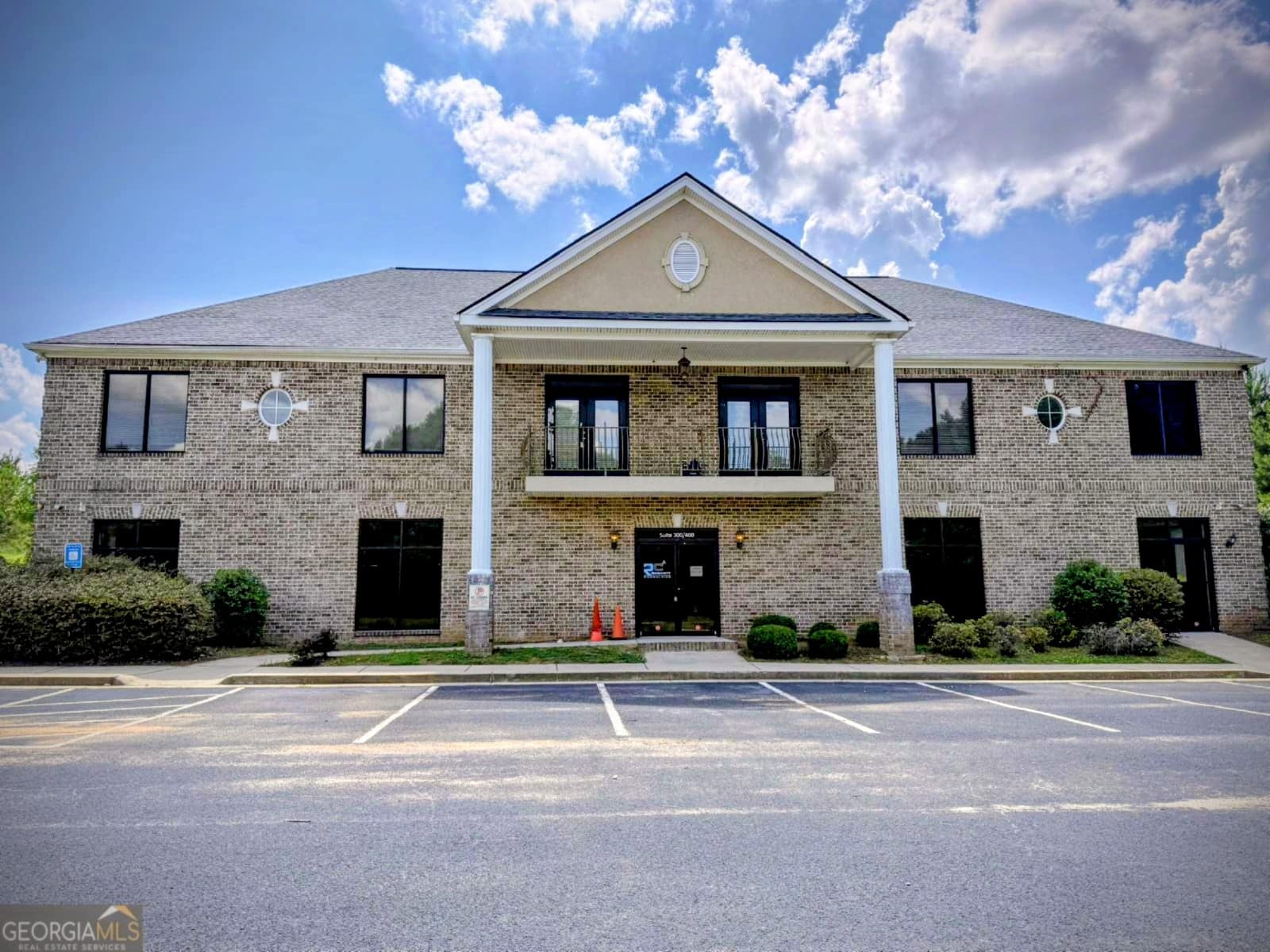
    Our Hampton, GA location provides world-class brain tumor surgery to patients throughout Southern Georgia and the greater Atlanta area.

    Key Benefits

    • Maximal safe tumor resection
    • Real-time navigation and monitoring
    • Preservation of neurological function
    • Awake craniotomy when appropriate
    • Multidisciplinary tumor planning

    Recovery Time

    4-8 weeks for initial recovery

    Related Brain Procedures

    Craniotomy

    Surgical procedure to access the brain for tumor removal, aneurysm repair, and other conditions.

    Learn More

    Endoscopic Skull Base Surgery

    Minimally invasive approach for skull base tumors through natural openings.

    Learn More

    Cerebral Aneurysm Clipping

    Surgical treatment to prevent brain aneurysm rupture by placing a clip at the base of the aneurysm.

    Learn More