

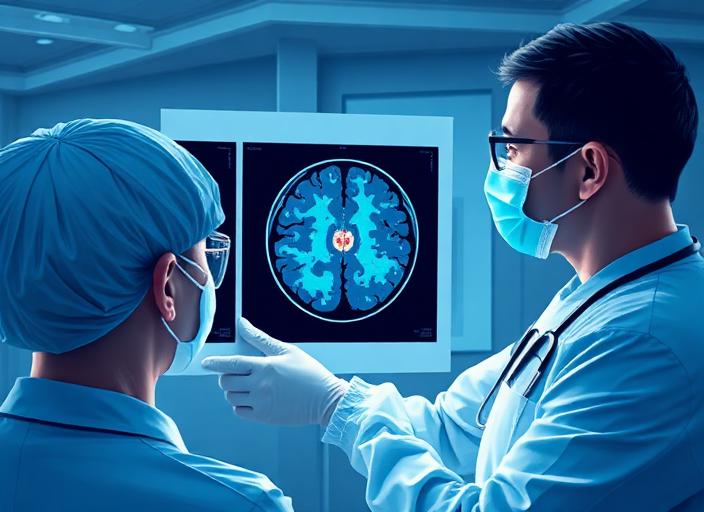
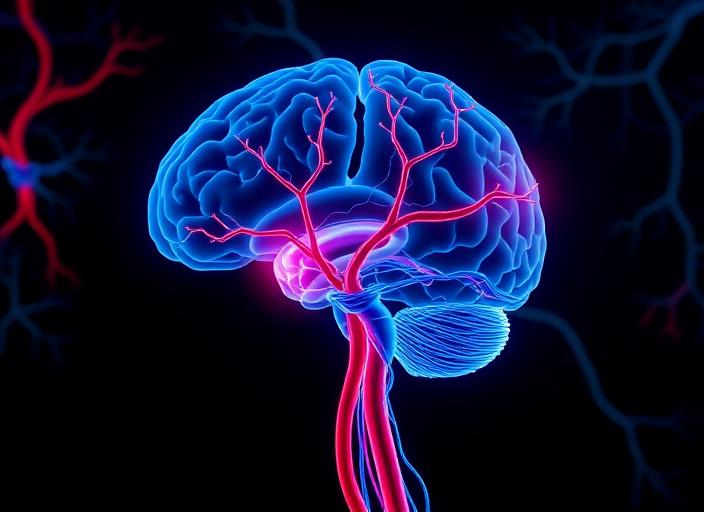





Traumatic brain injury (TBI) results from a bump, blow, or jolt to the head that disrupts normal brain function.
Key Statistics
- ~2.8 million TBI-related ED visits, hospitalizations, and deaths per year in the U.S. (CDC)
- ~64,000 TBI-related deaths annually — about 176 per day
- Falls account for ~50% of TBI hospitalizations; motor vehicle crashes ~25%
- Highest risk groups: children 0–4, adolescents 15–19, adults ≥65
- An estimated 5.3 million Americans live with TBI-related disability
Classification by GCS
- Mild (concussion): GCS 13–15 — ~75% of all TBI
- Moderate: GCS 9–12
- Severe: GCS ≤8
Surgical Indications
- Epidural hematoma (middle meningeal artery): often requires emergency craniotomy; mortality drops from ~30% to <10% with timely surgery
- Subdural hematoma (bridging veins): craniotomy or burr hole drainage depending on acuity
- Intracerebral contusion with mass effect: decompressive craniectomy
- Depressed skull fracture with dural violation
- ICP monitoring and CSF diversion for severe TBI
Common Symptoms
- Loss of consciousness
- Confusion or disorientation
- Severe headache
- Repeated vomiting
- Seizures
- Unequal pupils
- Slurred speech
- Weakness or numbness
Treatment Options
Dr. Marcus Stephens
Board-Certified Neurosurgeon
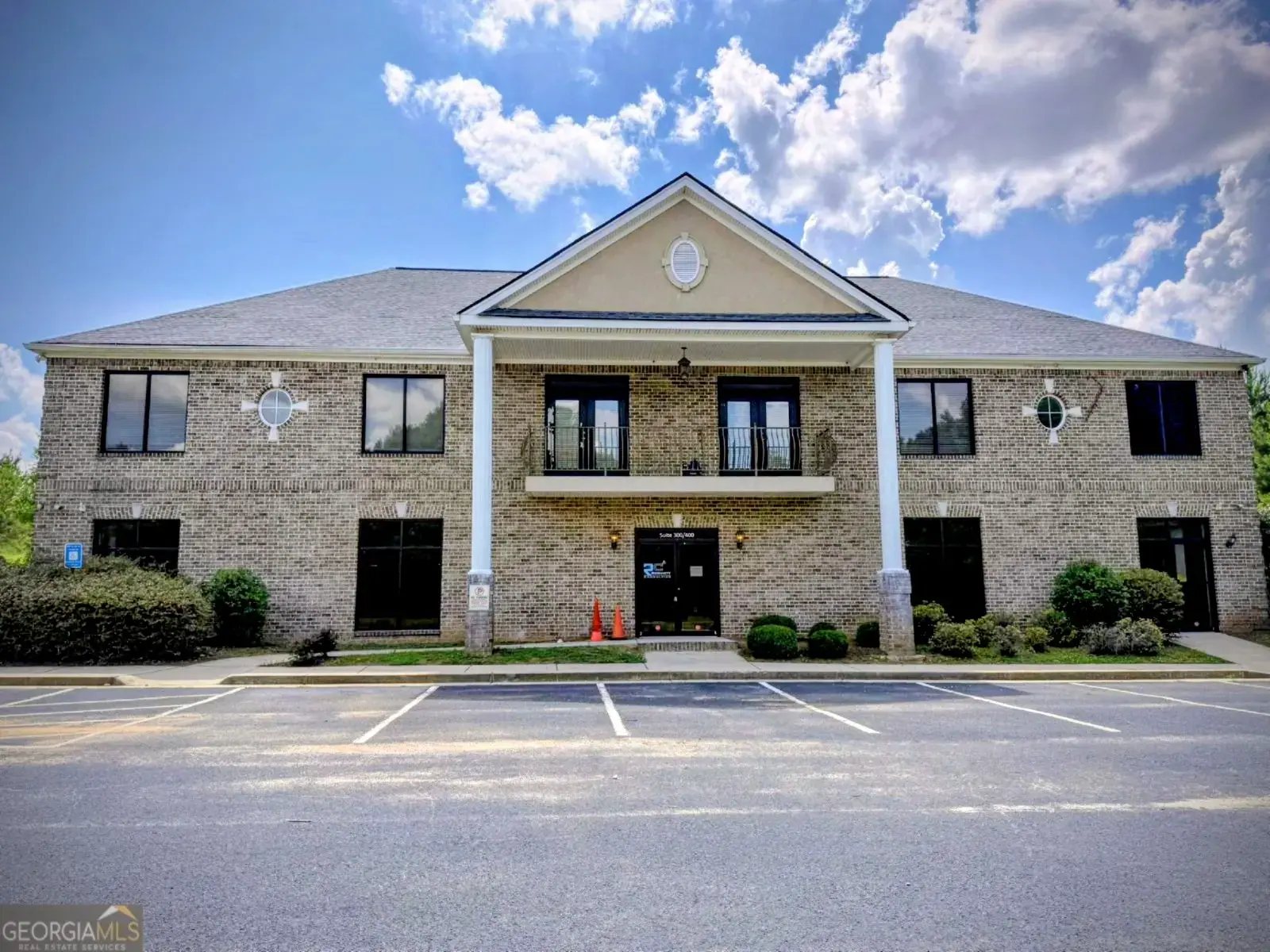
Providing expert traumatic brain injury (tbi) treatment at Nova Brain and Spine of GA in Hampton, Georgia. Serving patients throughout Southern Georgia and the Atlanta metro area.