

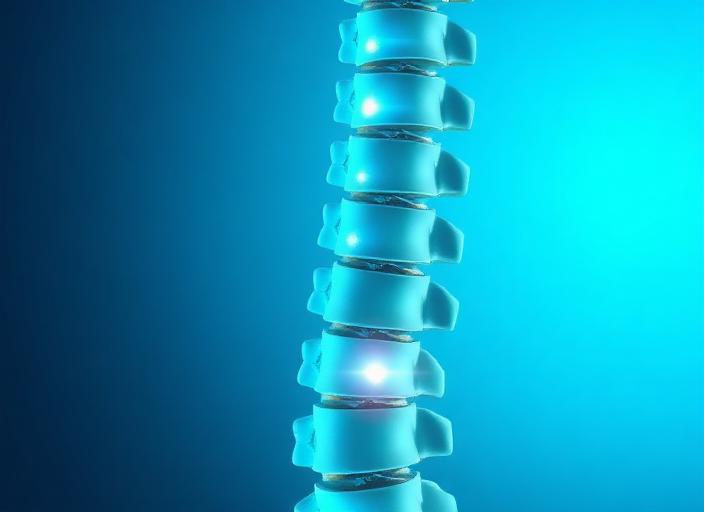

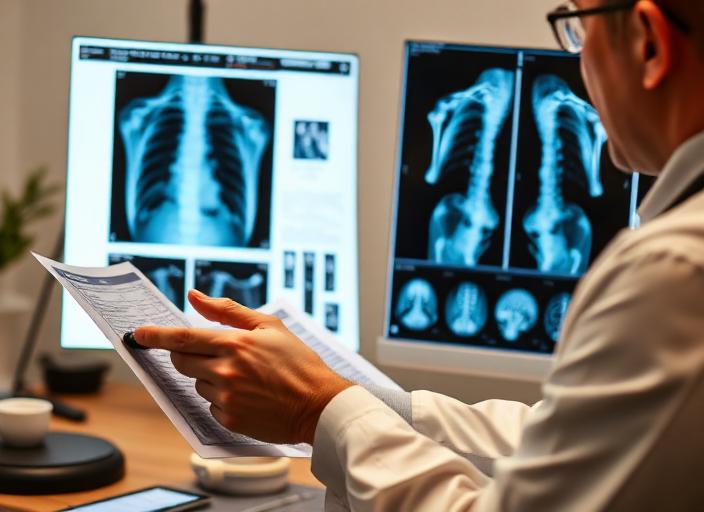


Scoliosis is a sideways curvature of the spine measuring ≥10° Cobb angle on standing X-ray.
Key Statistics
- Affects an estimated 6–9 million people in the U.S. (~2–3% of the population)
- Adolescent idiopathic scoliosis: ~80% of pediatric cases; girls develop curves requiring treatment ~8× more often than boys
- Adult de novo (degenerative) scoliosis: prevalence rises to >60% of adults over age 60
- Curves >50° in skeletally mature patients tend to progress 0.5–1° per year
- Modern fusion techniques achieve 70–90% curve correction with high patient satisfaction
Symptoms
- Visible spinal curve, uneven shoulders, prominent rib hump
- Back pain (more common in adults than adolescents)
- Leg pain from associated stenosis (adults)
- Reduced exercise tolerance, shortness of breath (severe curves)
- Cosmetic concerns
Treatment
- Observation with serial X-rays for mild curves
- Bracing for adolescents with progressive curves 25–45°
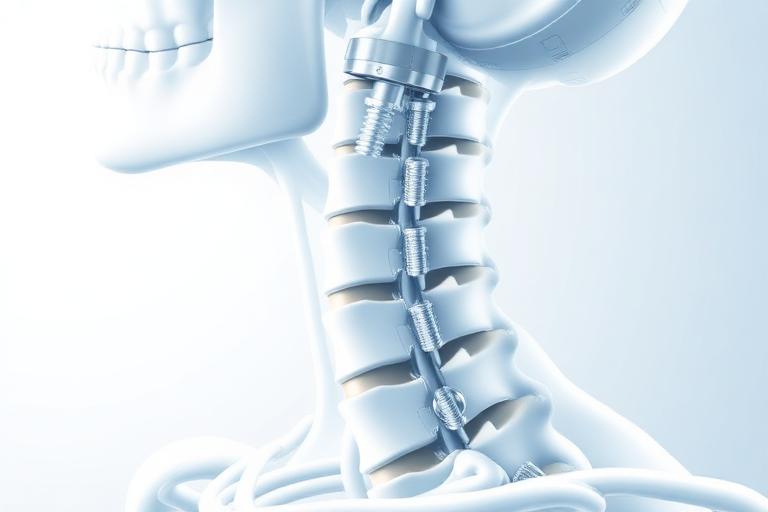
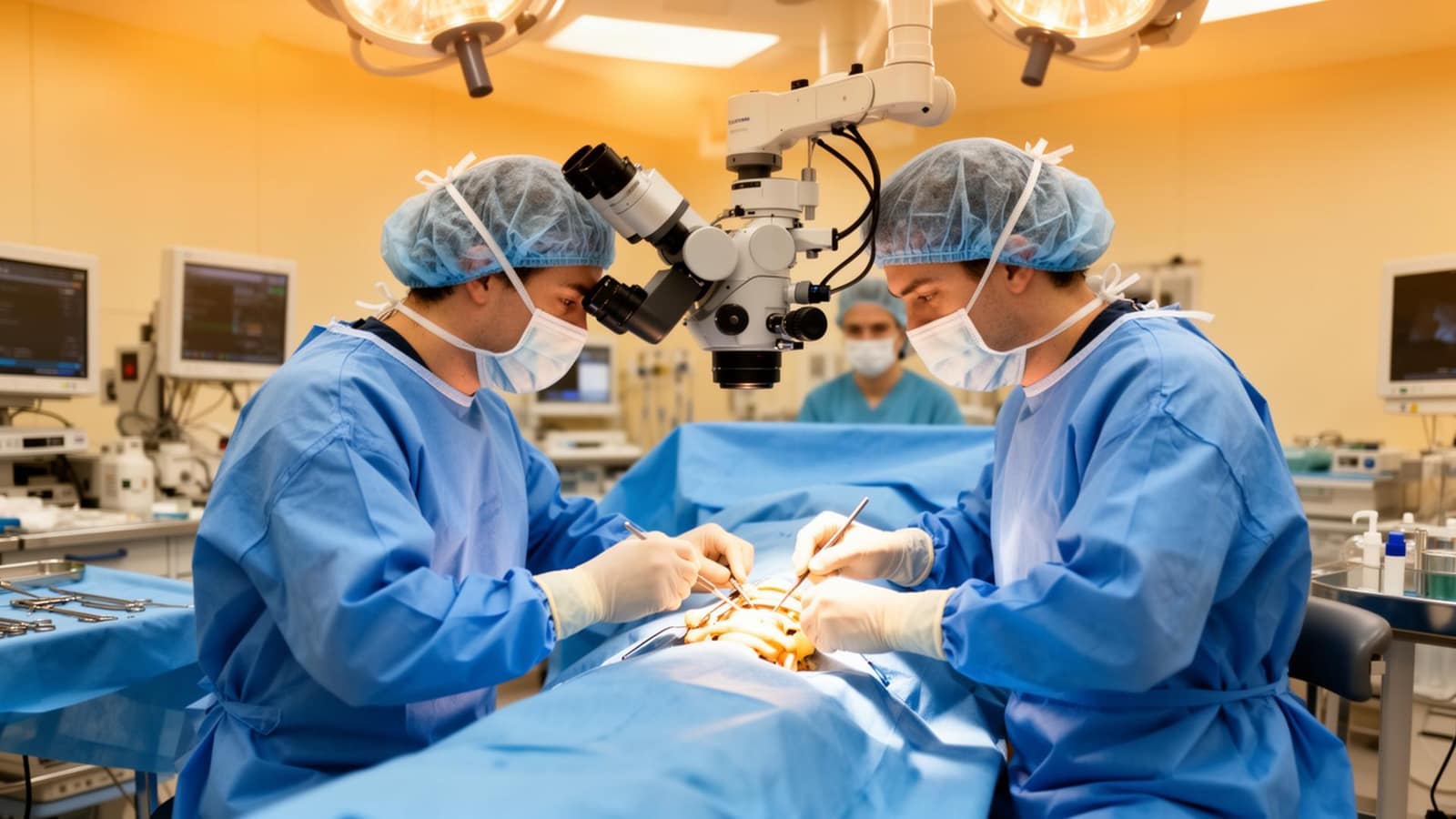
- Posterior spinal fusion with instrumentation for curves >50° or progressive symptoms
- Minimally invasive lateral interbody fusion (XLIF/OLIF) for adult degenerative scoliosis
- Multidisciplinary planning with pain management and physical therapy
Common Symptoms
- Visible spinal curve
- Uneven shoulders or hips
- Rib prominence
- Back pain
- Radiating leg pain
- Reduced height over time
Treatment Options
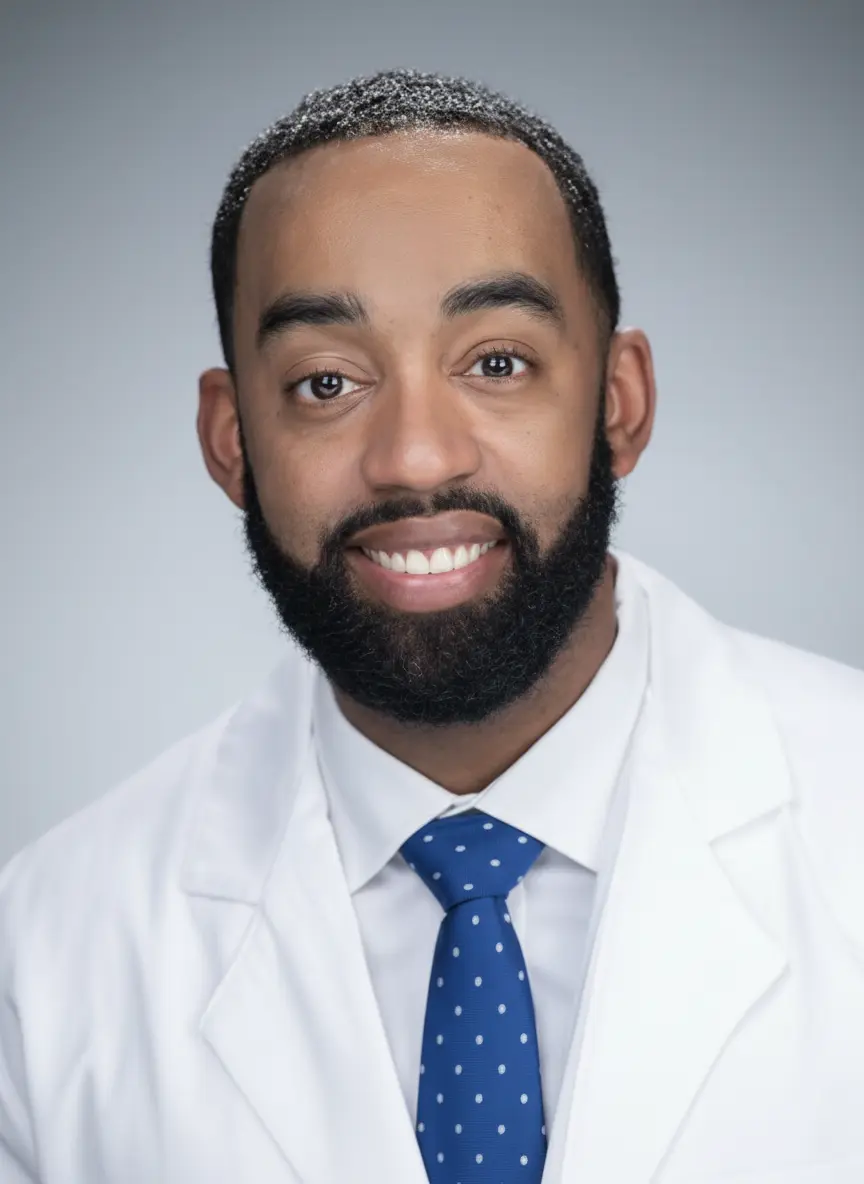
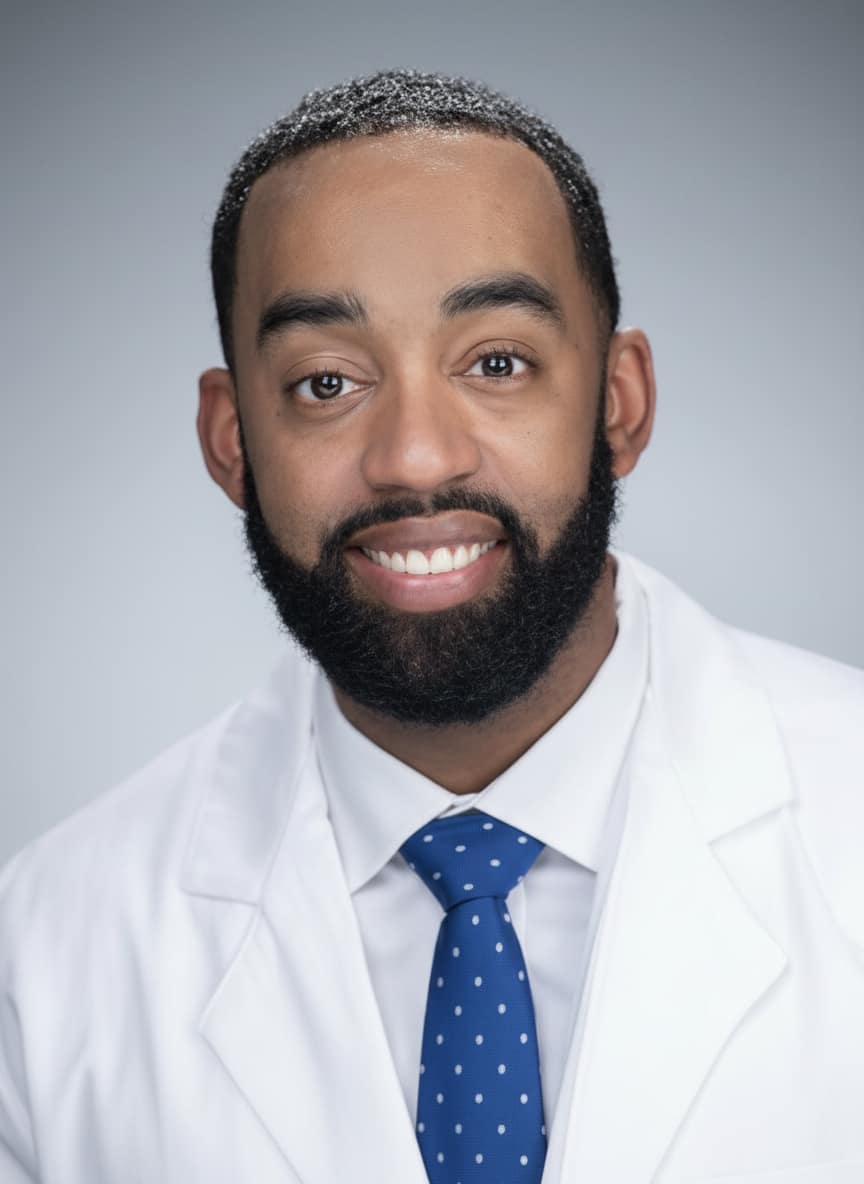
Dr. Jerry Walters II
Board-Certified Neurosurgeon
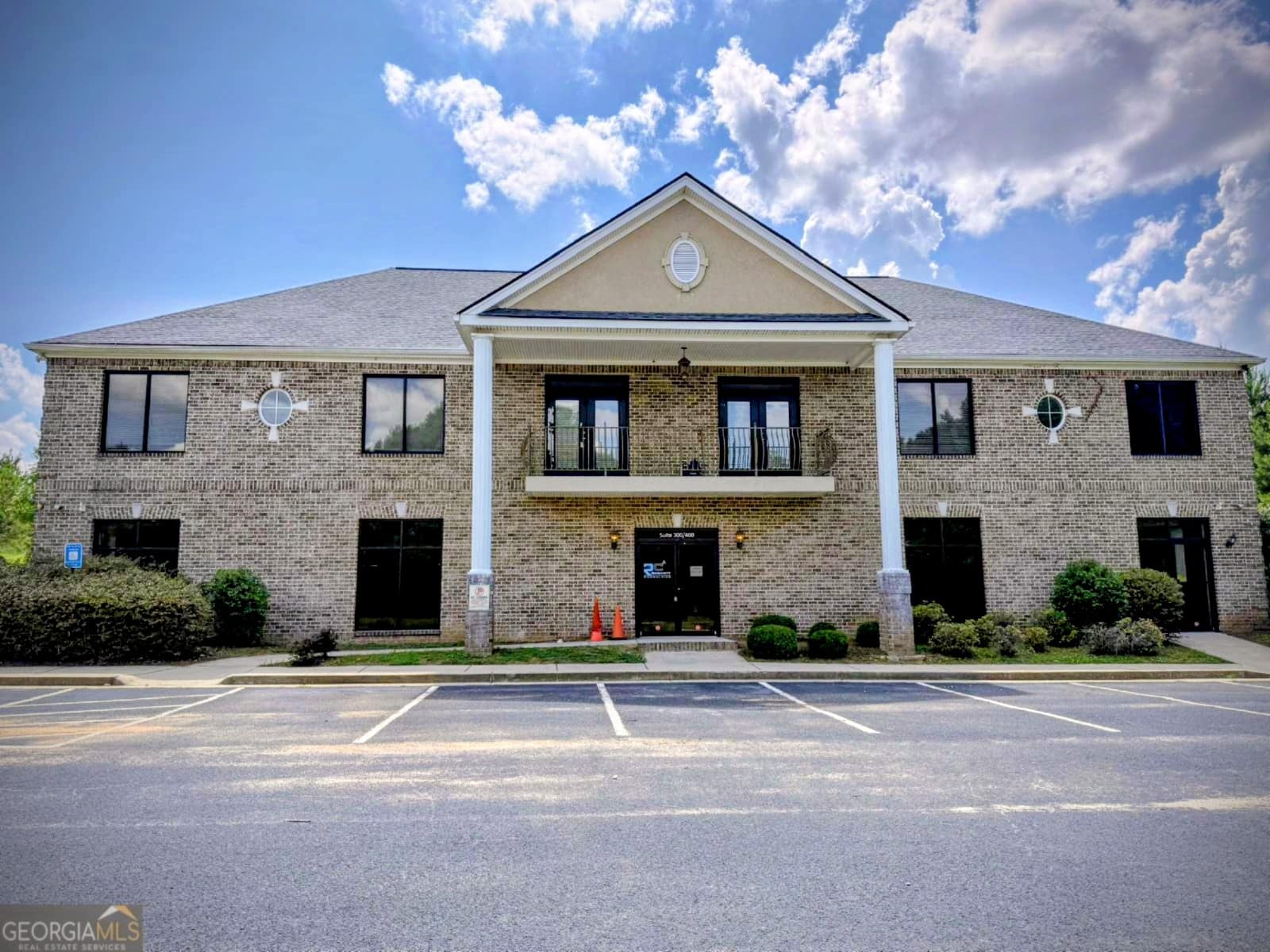
Providing expert scoliosis treatment at Nova Brain and Spine of GA in Hampton, Georgia. Serving patients throughout Southern Georgia and the Atlanta metro area.