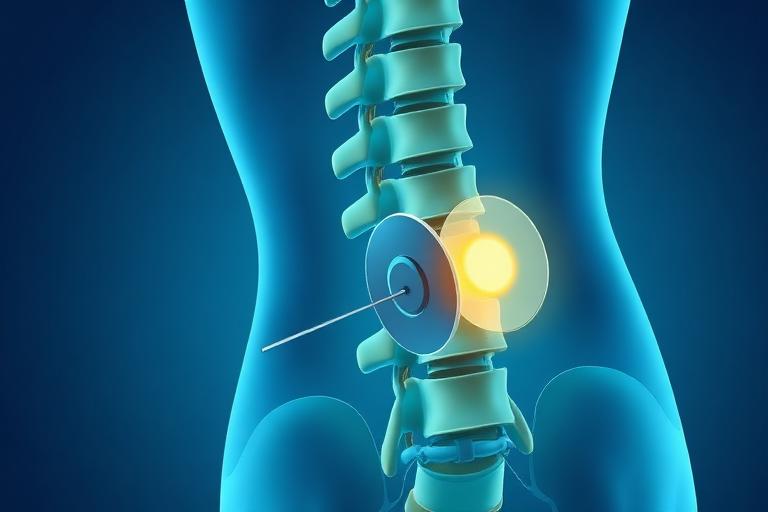



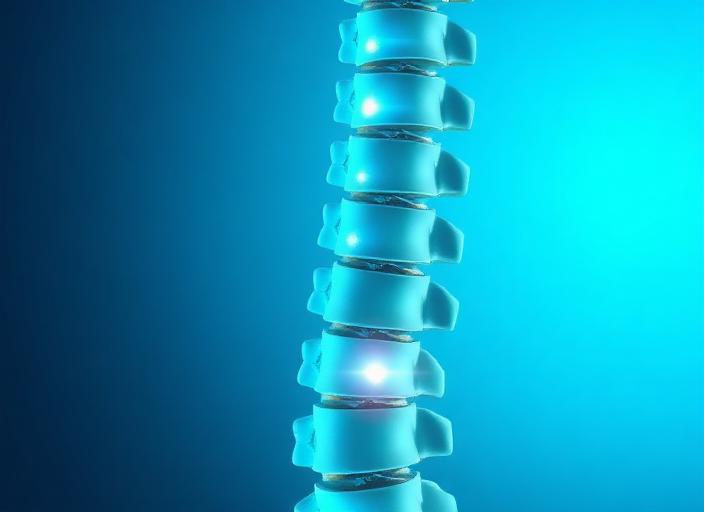




Sciatica is pain radiating along the sciatic nerve — from the lower back through the hip and down each leg — typically caused by lumbar disc herniation, spinal stenosis, or spondylolisthesis compressing the L4, L5, or S1 nerve root.
Key Statistics
- Lifetime prevalence: 10–40% of adults experience sciatica at some point
- Annual incidence: ~1–5% of the population
- Peak age: 45–64 years
- ~80–90% of acute sciatica resolves without surgery within 6–12 weeks
- Surgery (microdiscectomy) for persistent sciatica from disc herniation has ~85–95% success rate for leg pain relief
Symptoms
- Sharp, burning, or electric pain from lower back into buttock and leg
- Pain often unilateral
- Worse with sitting, coughing, or sneezing
- Numbness or tingling in leg or foot
- Weakness in leg muscles
- Red flags (require urgent eval): saddle anesthesia, new bowel/bladder dysfunction, progressive weakness → possible cauda equina syndrome
Treatment
- Conservative (first 6 weeks): NSAIDs, physical therapy, activity modification
- Epidural steroid injection for persistent radicular pain
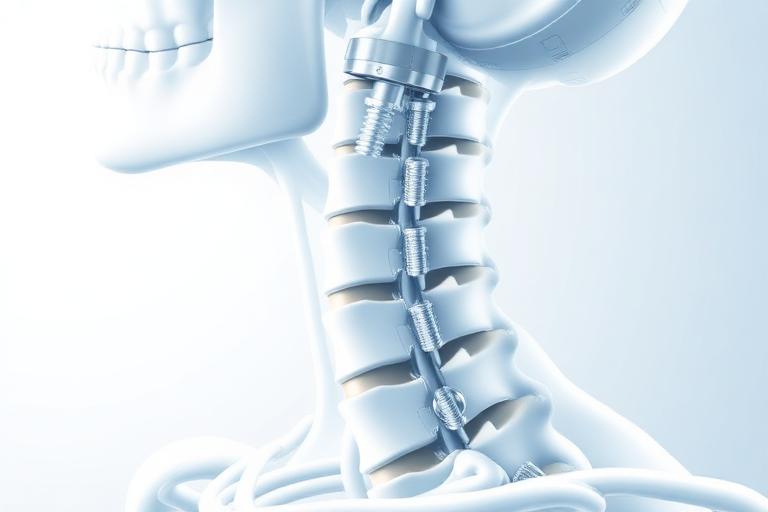
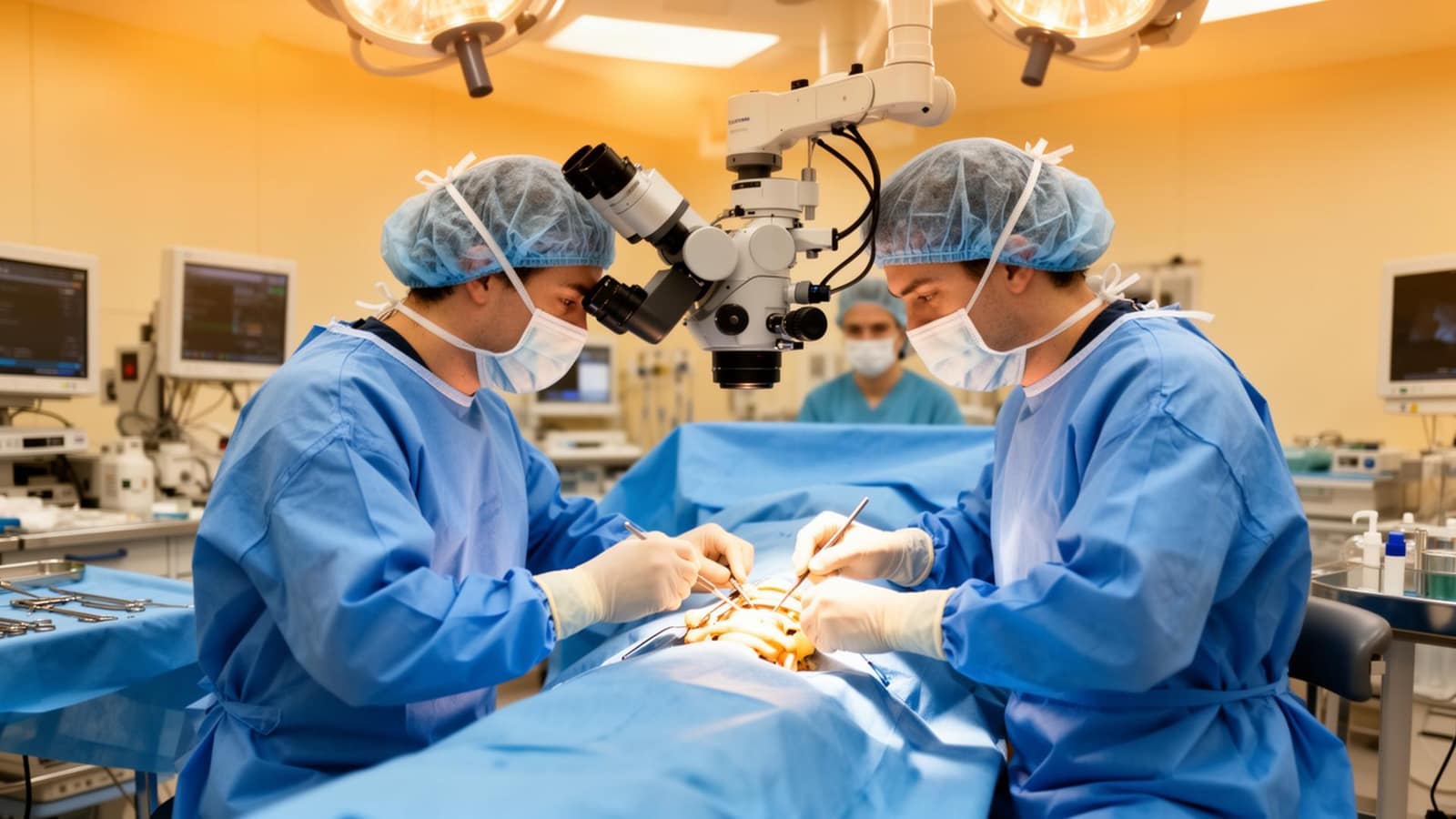
- Microdiscectomy / endoscopic discectomy for failed conservative care, progressive weakness, or cauda equina
- Minimally invasive decompression for stenosis-driven sciatica
Common Symptoms
- Radiating leg pain
- Numbness or tingling in leg/foot
- Burning sensation
- Weakness in leg
- Pain worsening with sitting
- Difficulty standing from a chair
Treatment Options
Dr. Jerry Walters II
Board-Certified Neurosurgeon
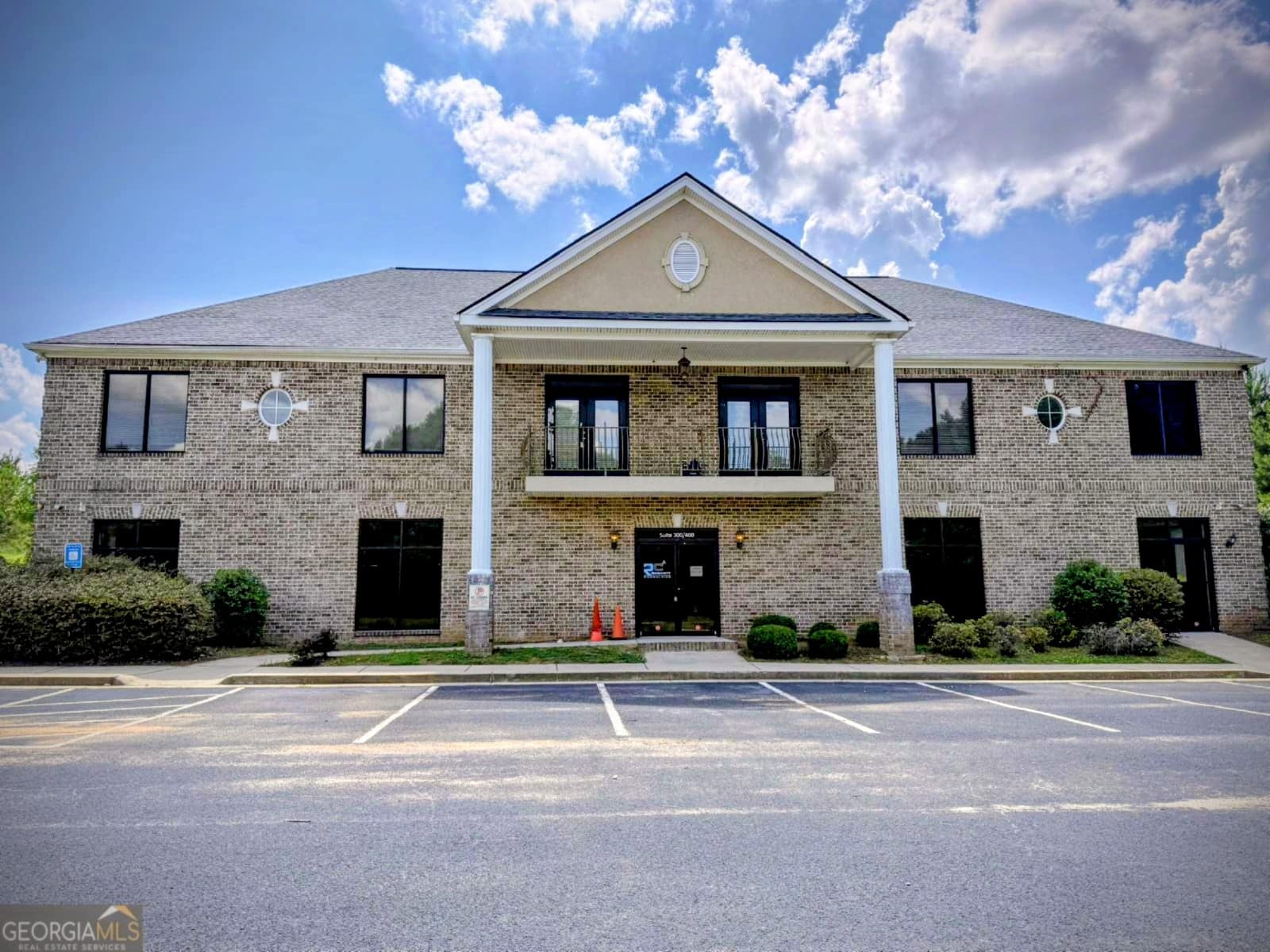
Providing expert sciatica treatment at Nova Brain and Spine of GA in Hampton, Georgia. Serving patients throughout Southern Georgia and the Atlanta metro area.