






Pituitary tumors (adenomas) are among the most common intracranial tumors, affecting approximately 1 in 1,000 people. At Nova Brain and Spine of GA, Dr. Marcus Stephens provides expert evaluation and surgical treatment for all types of pituitary tumors.
Understanding Pituitary Tumors
The pituitary gland, located at the base of the brain behind the nose, is the body's "master gland," controlling thyroid function, growth, cortisol production, reproductive hormones, and more. Pituitary adenomas are almost always benign but can cause significant problems through hormone overproduction or compression of surrounding structures.
Types We Treat
Prolactinoma
- Most common pituitary tumor
- Causes elevated prolactin levels
- Symptoms: Irregular periods, infertility, breast discharge, decreased libido
- Treatment: Usually medication first; surgery if medication-resistant
Cushing's Disease (ACTH-Secreting Adenoma)
- Excess cortisol production
- Symptoms: Weight gain, moon face, diabetes, hypertension, osteoporosis, muscle weakness
- Treatment: Surgery is first-line treatment
Acromegaly (GH-Secreting Adenoma)
- Excess growth hormone in adults
- Symptoms: Enlarged hands/feet, coarsened facial features, joint pain, diabetes
- Treatment: Surgery is first-line for most patients
Non-Functioning Adenoma
- No hormone excess
- Discovered when large enough to compress optic nerves (vision loss) or cause pituitary insufficiency
- Treatment: Surgery when causing symptoms or progressively enlarging
Pituitary Apoplexy
- Sudden hemorrhage or infarction of a pituitary tumor
- Emergency presentation with severe headache, vision loss, and hormonal crisis
- Treatment: Urgent surgical decompression
Diagnosis
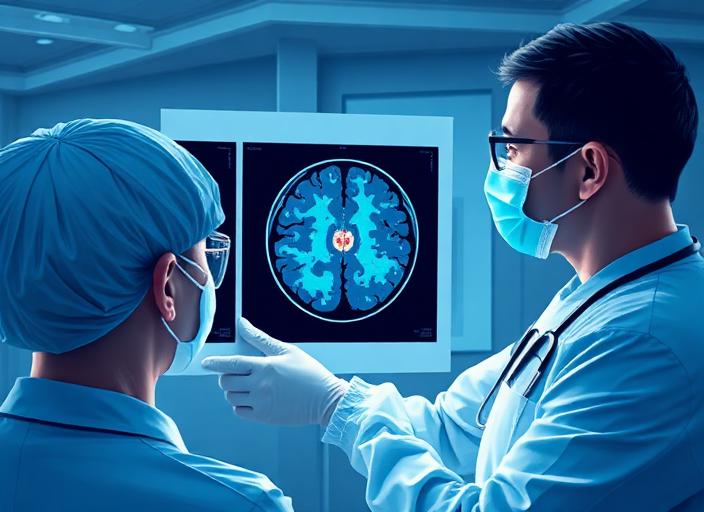
- MRI with pituitary protocol: High-resolution imaging of the sellar region
- Comprehensive hormone panel: Prolactin, IGF-1, cortisol, ACTH, thyroid function, gonadotropins
- Visual field testing: Assess optic chiasm compression
- Inferior petrosal sinus sampling: For Cushing's disease localization
Surgical Treatment
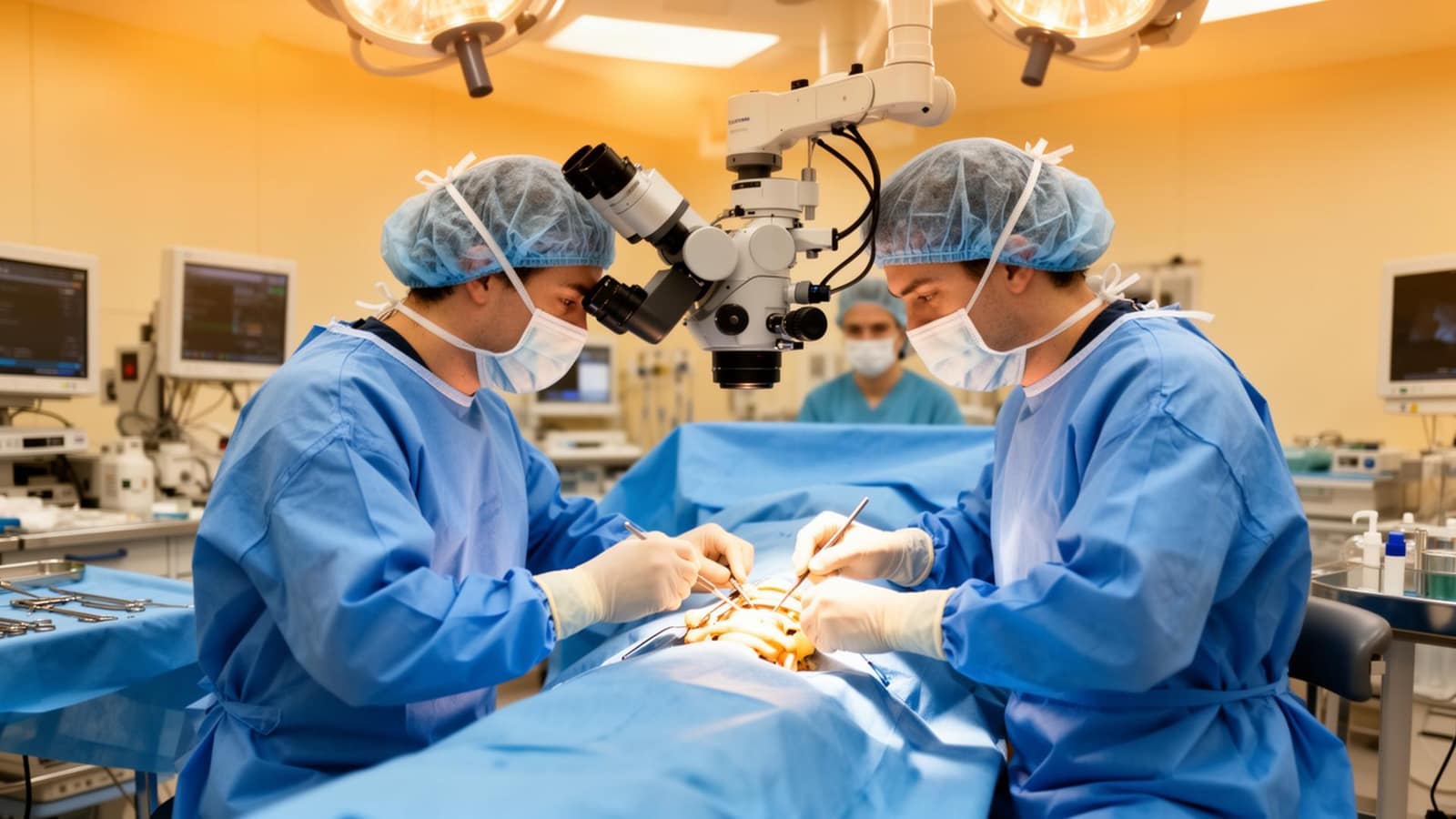
The standard approach is endoscopic endonasal transsphenoidal surgery — accessing the tumor through the nose without external incisions. This minimally invasive technique provides excellent tumor visualization and high cure rates with rapid recovery.
Our Hampton, GA practice provides comprehensive pituitary tumor care from initial hormone workup through surgery and long-term endocrine management.
Common Symptoms
- Vision loss or visual field deficits
- Headaches
- Hormonal imbalances (irregular periods, infertility)
- Unexplained weight gain (Cushing's)
- Enlarged hands and feet (acromegaly)
- Fatigue and weakness
- Breast discharge (galactorrhea)
- Sexual dysfunction
Treatment Options
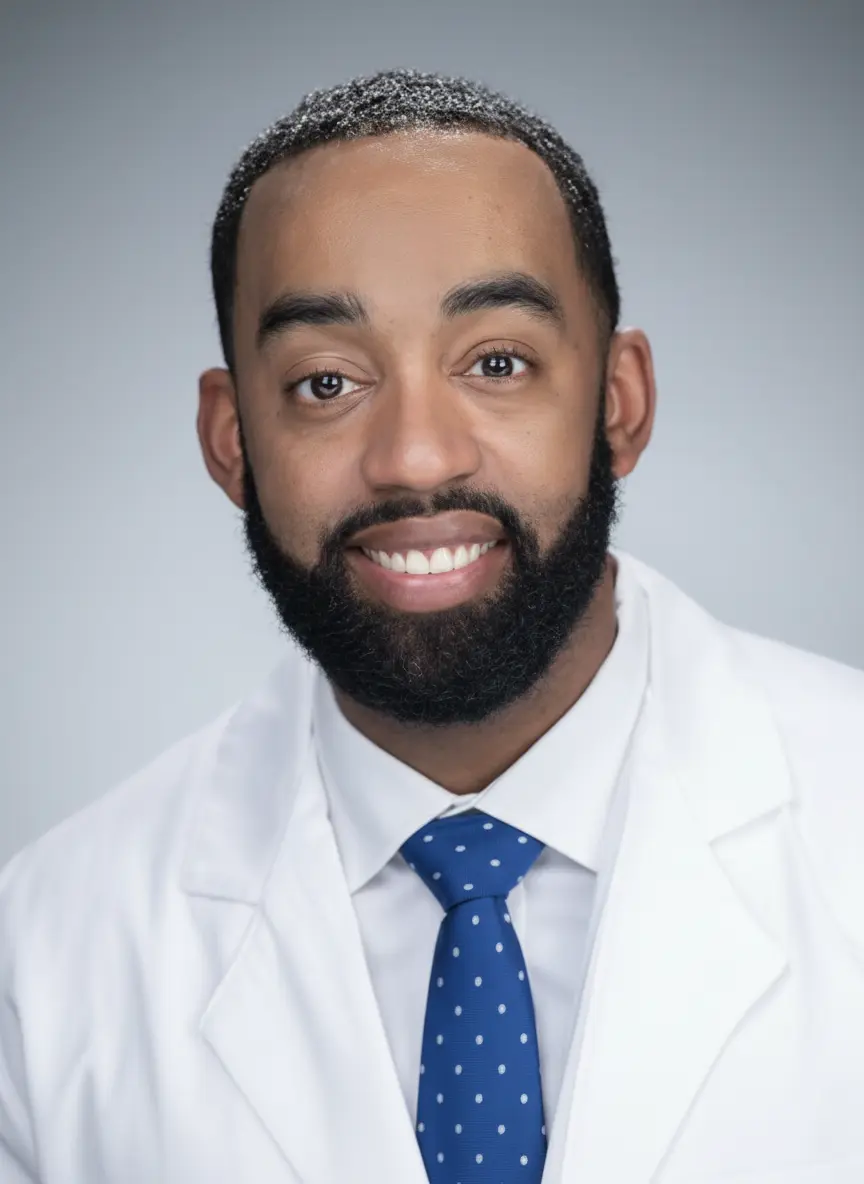
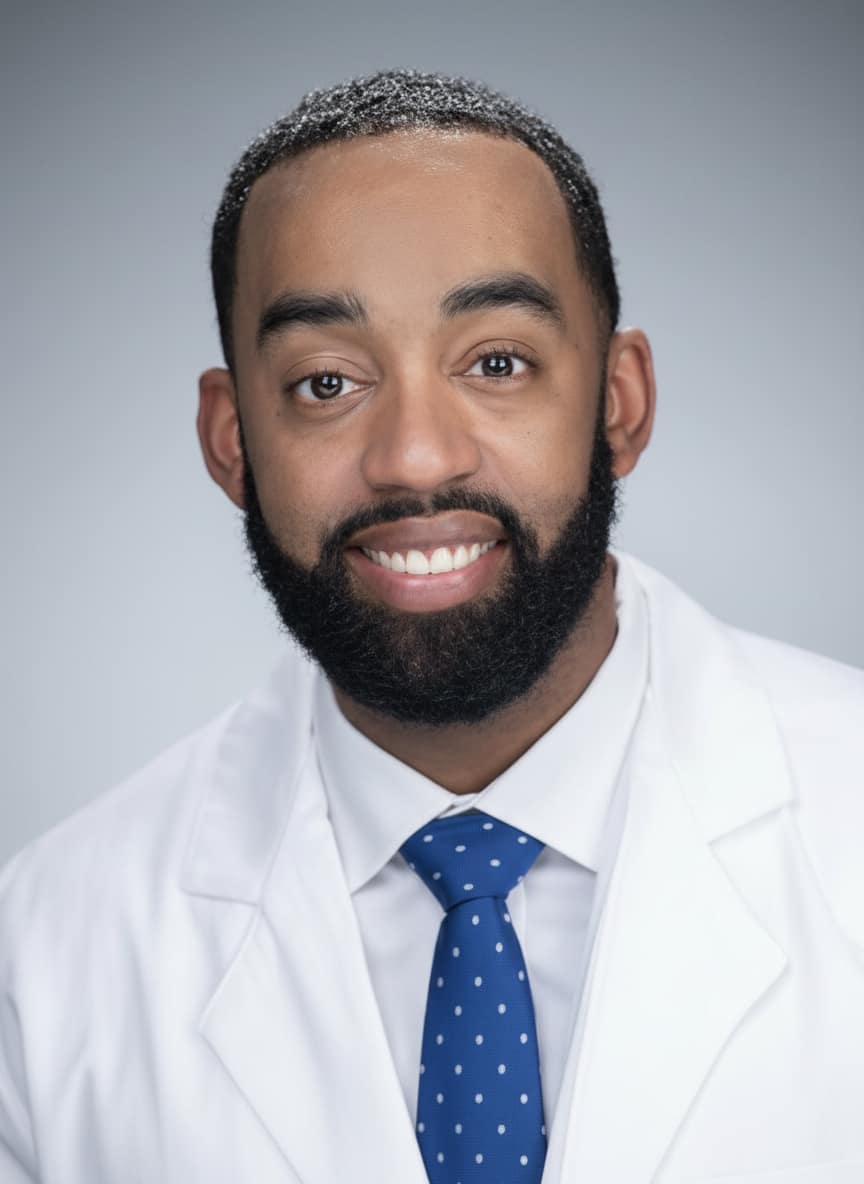
Dr. Marcus Stephens
Board-Certified Neurosurgeon
Providing expert pituitary tumor treatment at Nova Brain and Spine of GA in Hampton, Georgia. Serving patients throughout Southern Georgia and the Atlanta metro area.