

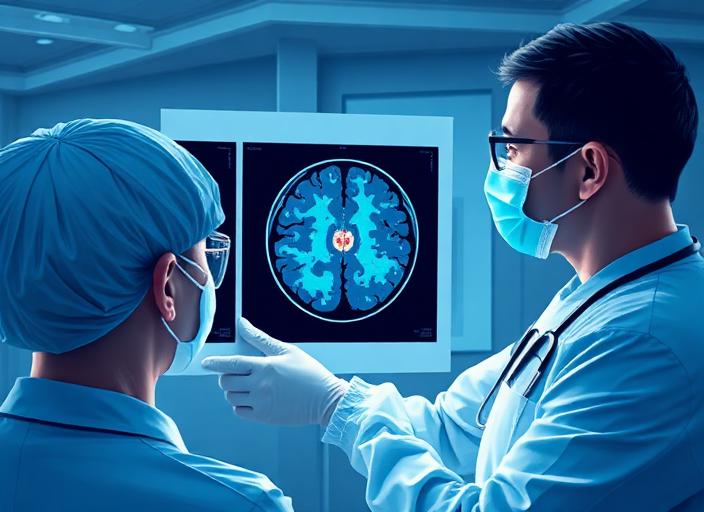
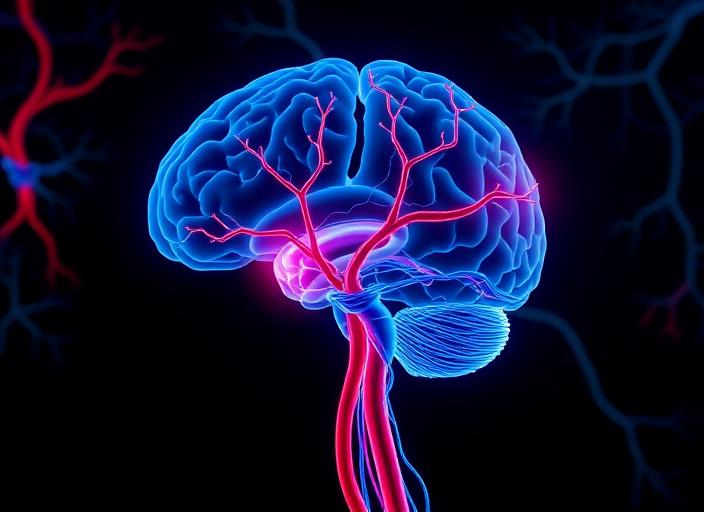




Meningiomas arise from the meninges, the protective layers surrounding the brain and spinal cord. They account for approximately 39% of all primary brain tumors, making them the most common primary intracranial tumor in adults (Central Brain Tumor Registry of the United States, CBTRUS).
Key Statistics
- Incidence: ~9.5 per 100,000 persons per year in the U.S.
- ~80–85% are benign (WHO Grade I); ~15–20% are atypical (Grade II) or malignant (Grade III)
- Women are affected ~2× more often than men
- Most common between ages 40–70
Symptoms
Often slow-growing and may be discovered incidentally on imaging. When symptomatic:
- Persistent headaches
- New-onset seizures (in 20–40% of patients)
- Focal weakness or sensory changes
- Vision or hearing loss depending on location
Treatment
- Observation with serial MRI for small, asymptomatic tumors
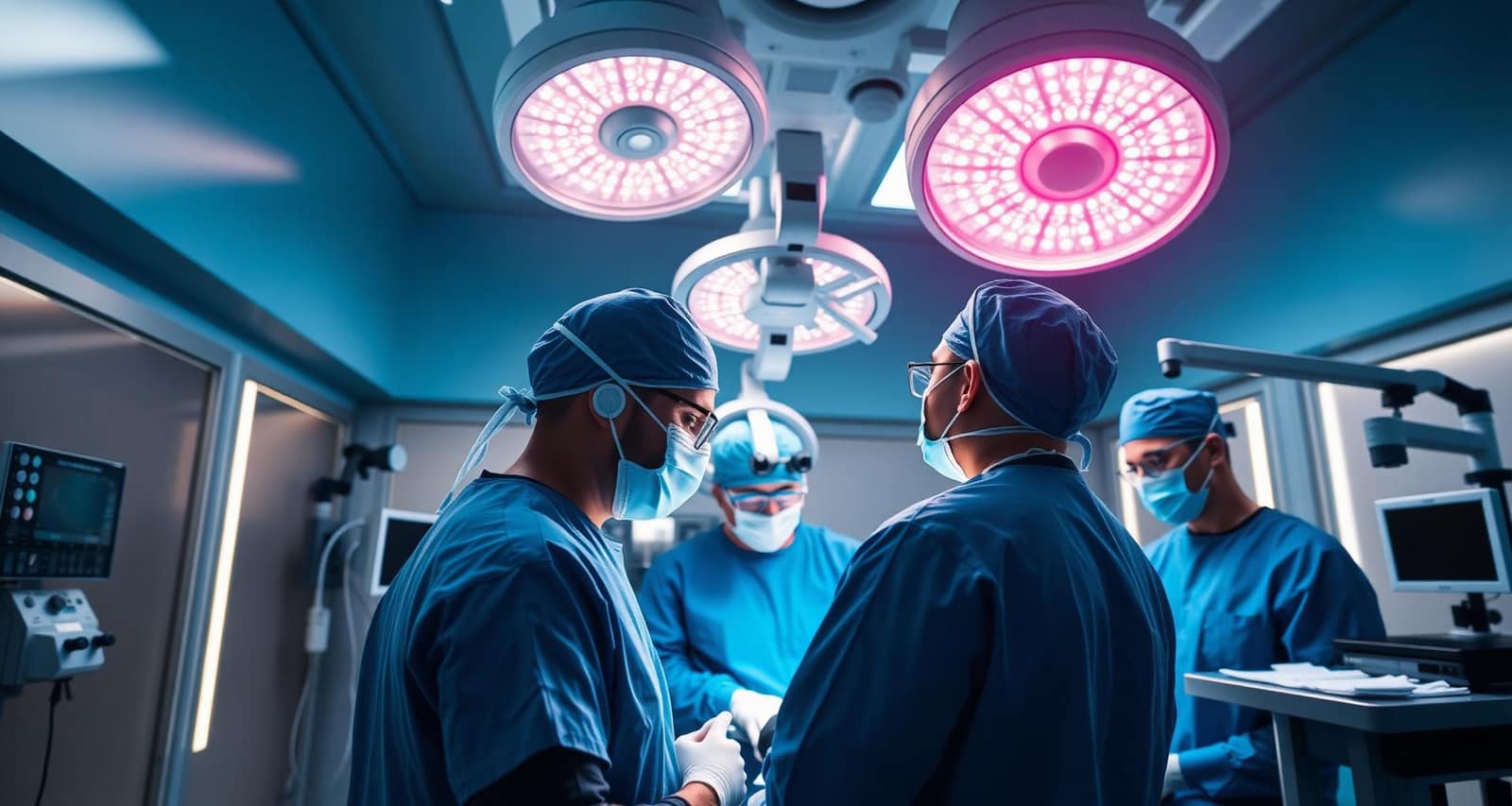
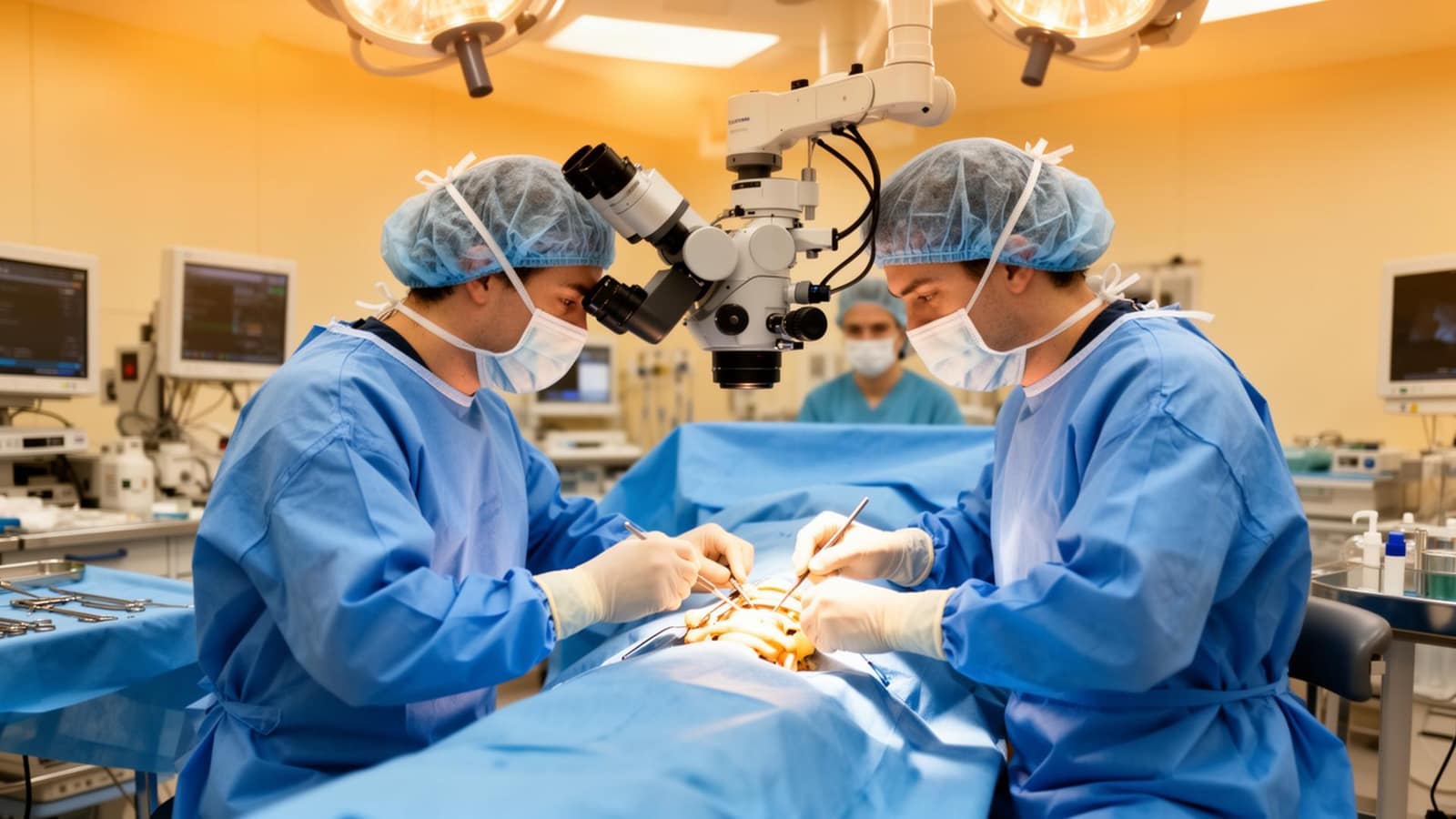
- Microsurgical resection with Simpson Grade I removal targeted whenever safe — associated with <10% 10-year recurrence
- Stereotactic radiosurgery (Gamma Knife / CyberKnife) for small or residual tumors
- Skull base approaches for complex locations (sphenoid wing, petroclival, olfactory groove)
Common Symptoms
- Headaches
- Seizures
- Vision changes
- Weakness on one side
- Memory or personality changes
- Hearing loss
Treatment Options
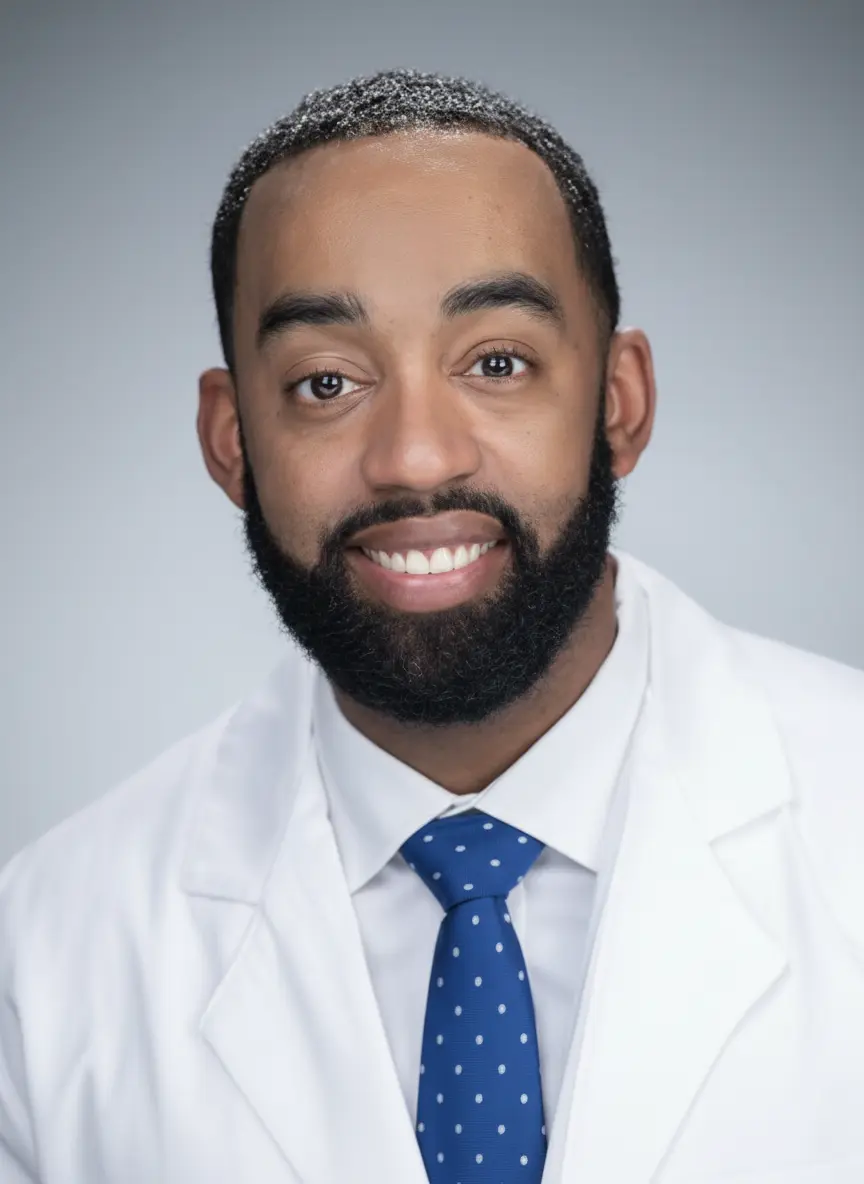
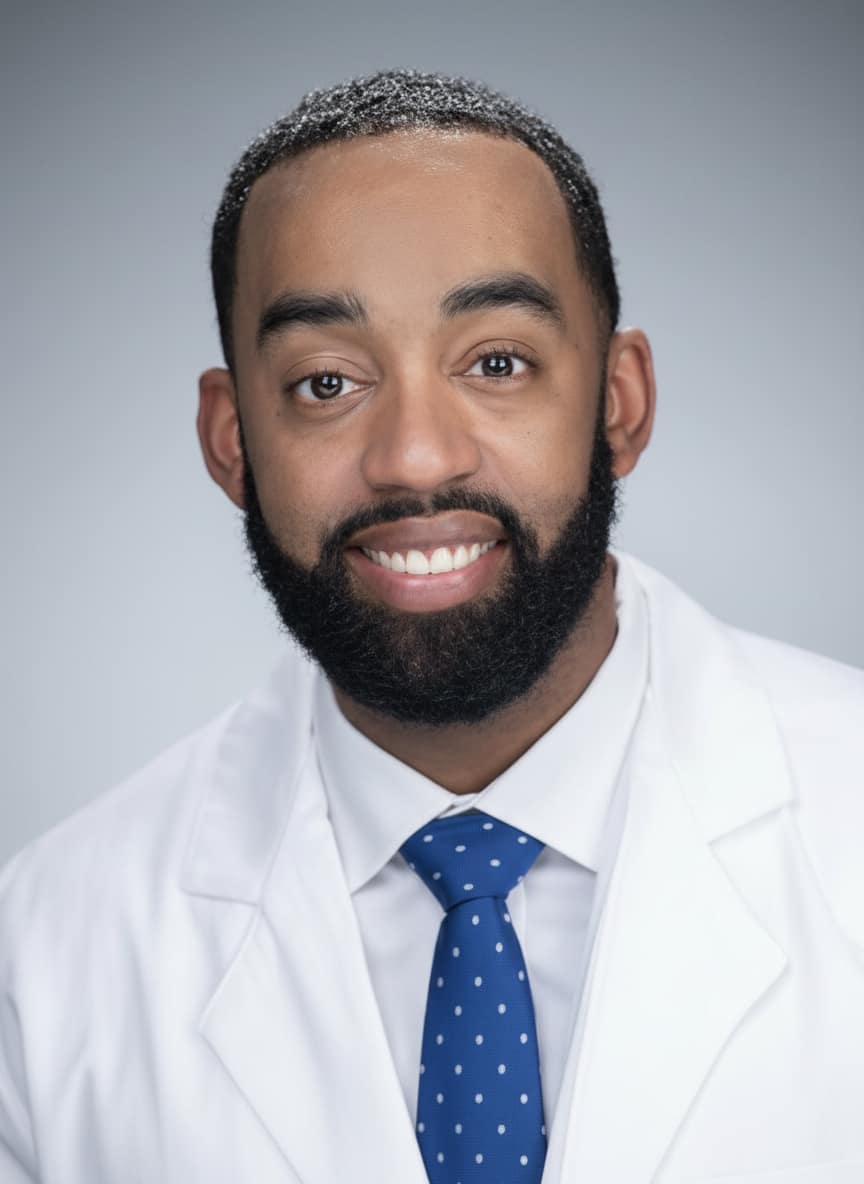
Dr. Marcus Stephens
Board-Certified Neurosurgeon
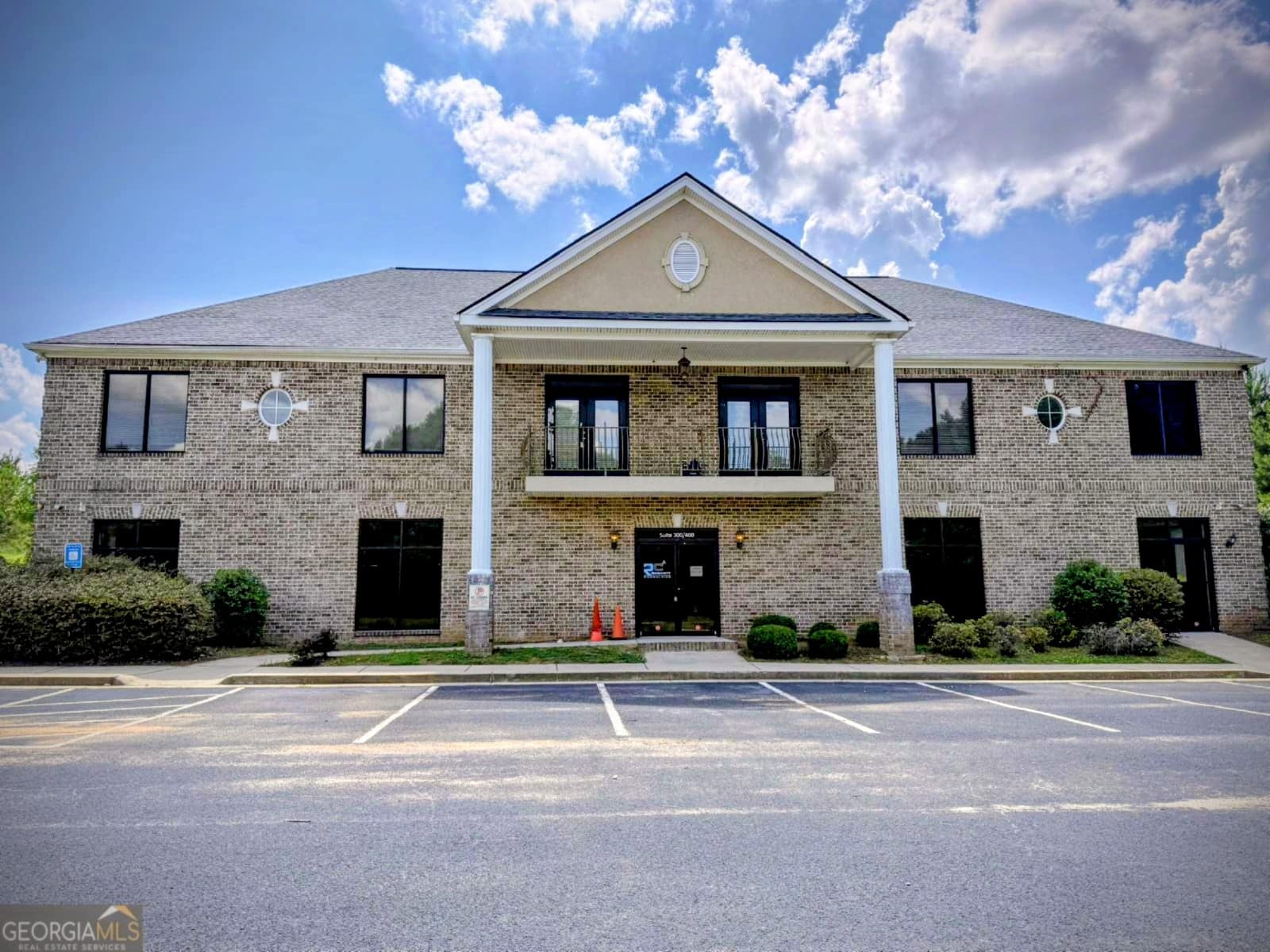
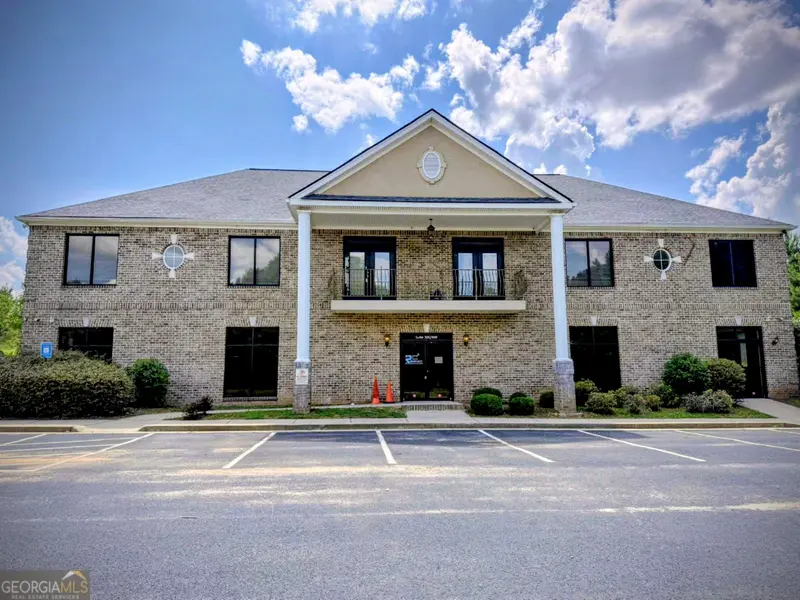
Providing expert meningioma treatment at Nova Brain and Spine of GA in Hampton, Georgia. Serving patients throughout Southern Georgia and the Atlanta metro area.