

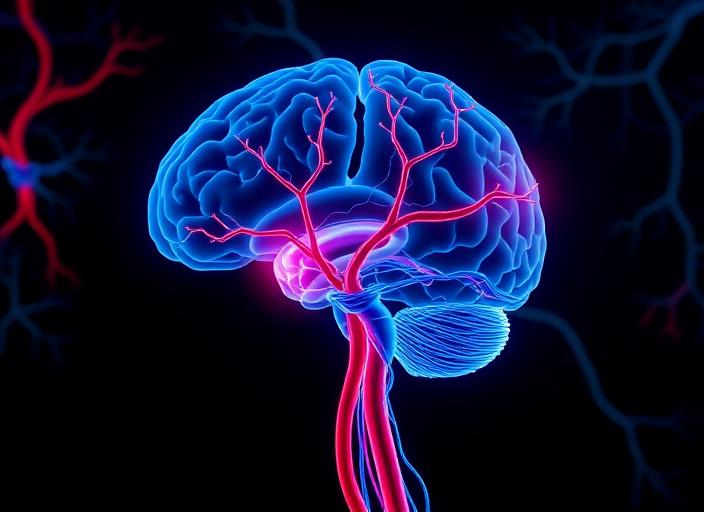
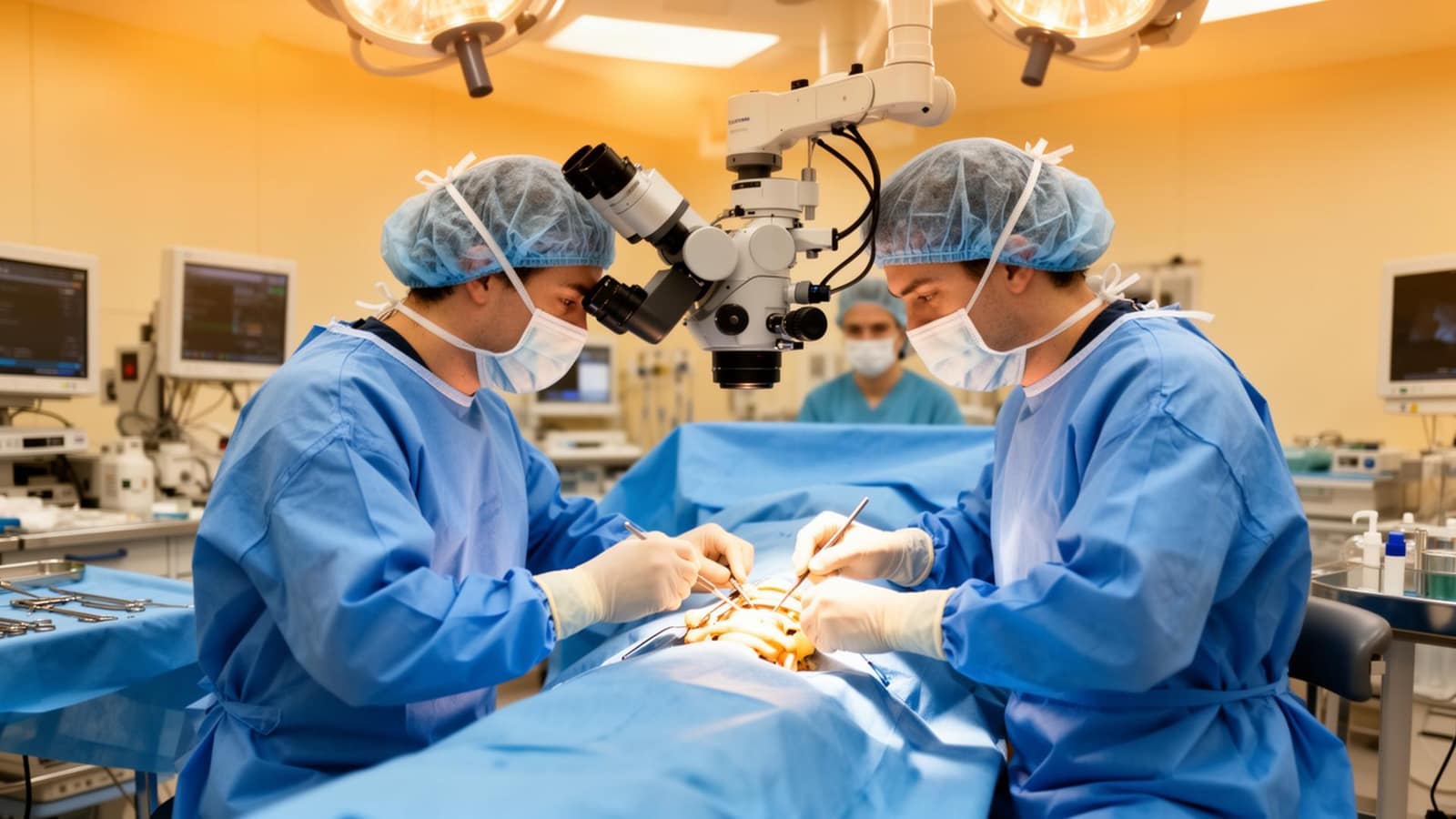




A brain aneurysm is a weakened, ballooning area of an artery wall. Roughly 1 in 50 people (~6.7 million Americans) harbor an unruptured intracranial aneurysm (Brain Aneurysm Foundation).
Key Statistics
- ~30,000 aneurysm ruptures per year in the U.S. — one every ~18 minutes
- Ruptured aneurysm (subarachnoid hemorrhage) carries ~50% mortality; of survivors, ~66% have permanent neurologic deficit
- Peak incidence: ages 35–60; women affected ~3:2 vs men
- Major risk factors: smoking (3–7× increased risk), hypertension, family history (first-degree relative doubles risk)
Warning Signs of Rupture
"Thunderclap headache" — worst headache of life — is the classic presentation:
- Sudden severe headache (often within seconds)
- Stiff neck, photophobia
- Loss of consciousness
- Seizure
- Nausea / vomiting Call 911 immediately for these symptoms.
Treatment
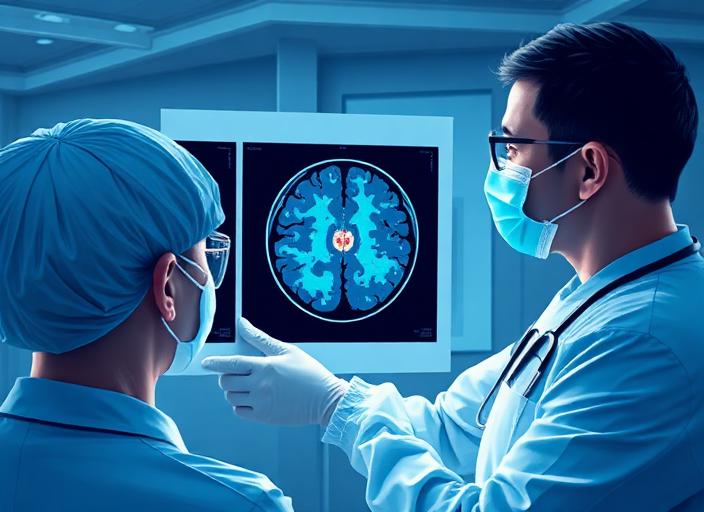
- Observation for small (<5–7 mm), low-risk unruptured aneurysms with serial imaging
- Microsurgical clipping — durable closure rates >95%
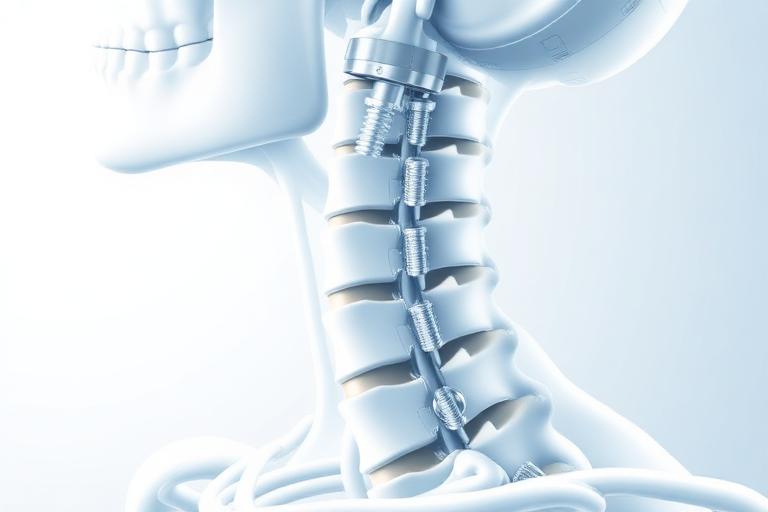
- Endovascular coiling / flow diversion — coordinated with neurointerventional partners
- Long-term blood pressure control and smoking cessation are essential
Common Symptoms
- Sudden severe headache
- Stiff neck
- Vision changes
- Drooping eyelid
- Sensitivity to light
- Loss of consciousness
- Seizures
Treatment Options
Dr. Marcus Stephens
Board-Certified Neurosurgeon
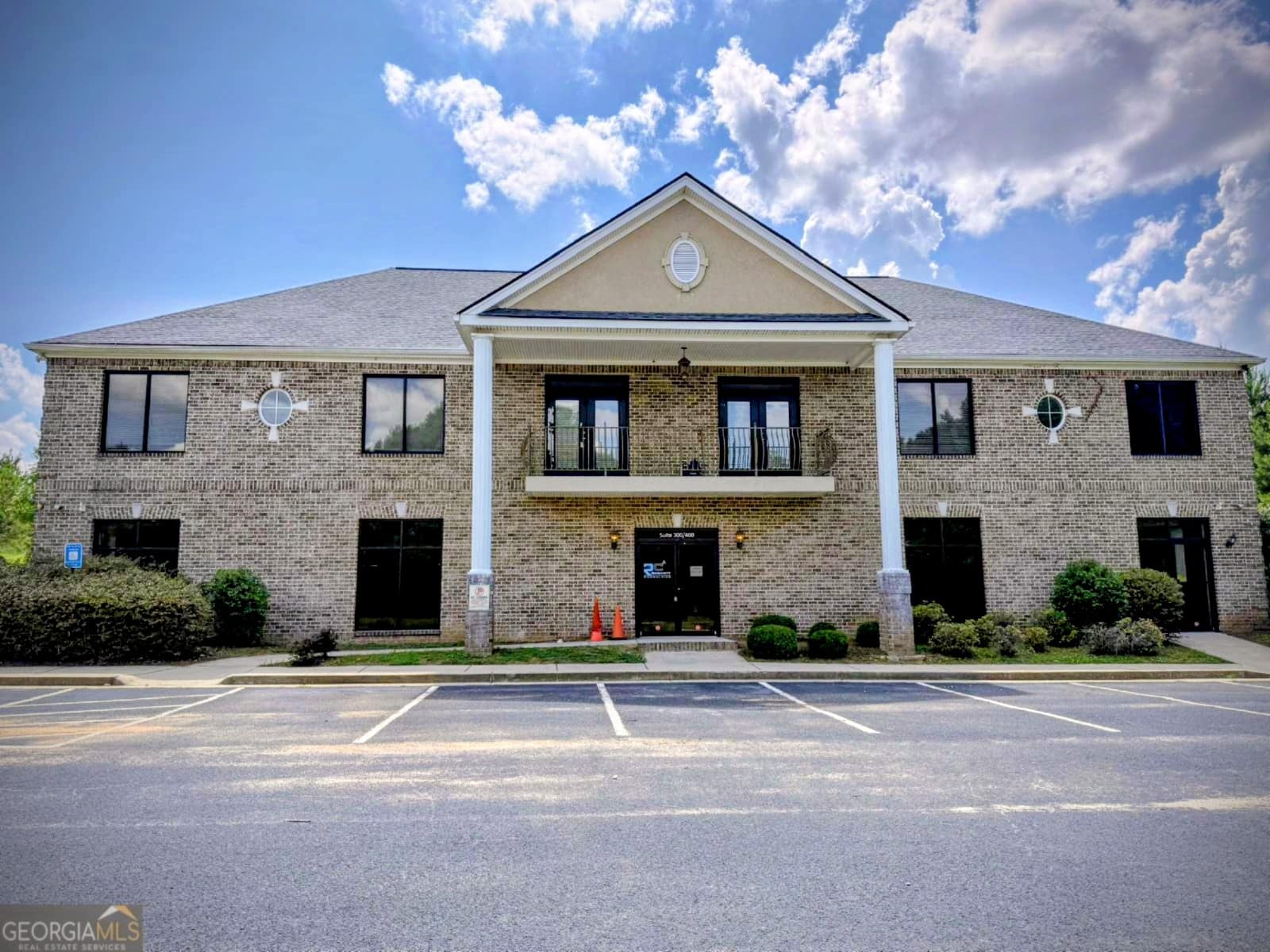
Providing expert brain aneurysm treatment at Nova Brain and Spine of GA in Hampton, Georgia. Serving patients throughout Southern Georgia and the Atlanta metro area.