








    Skip to main content
    Call Now: (770) 515-8770Schedule Today!
    Brain Procedures

    VP Shunt Surgery for Hydrocephalus: What Patients Need to Know

    Dr. Marcus Stephens
    February 22, 2026
    9 min read

    What Is Hydrocephalus?

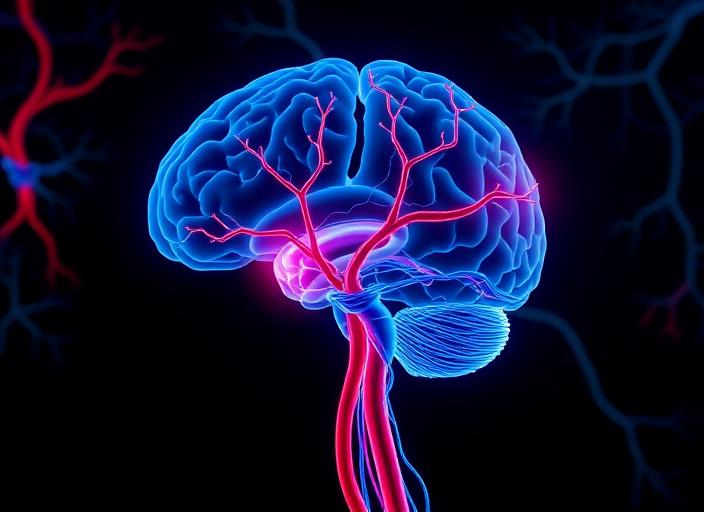
    Hydrocephalus — often called "water on the brain" — occurs when excess cerebrospinal fluid (CSF) accumulates in the brain's ventricles. CSF normally circulates through the ventricles and around the brain and spinal cord, providing cushioning, nutrients, and waste removal. When this circulation is disrupted, fluid builds up and creates dangerous pressure on brain tissue.

    Types of Hydrocephalus in Adults

    Acquired Hydrocephalus

    Develops after birth due to:

    • Brain tumor blocking CSF pathways
    • Subarachnoid hemorrhage (bleeding around the brain)
    • Meningitis or brain infection
    • Traumatic brain injury
    • Post-surgical scarring

    Normal Pressure Hydrocephalus (NPH)

    NPH is a treatable and potentially reversible cause of dementia in adults over 60. Despite the name, intermittent pressure elevations cause progressive symptoms:

    • Gait disturbance: A magnetic, shuffling walk — often the first symptom
    • Cognitive decline: Memory impairment, slowed thinking, apathy
    • Urinary incontinence: Urgency progressing to full incontinence

    NPH is frequently misdiagnosed as Alzheimer's disease or Parkinson's disease. Unlike these conditions, NPH can be dramatically improved with a VP shunt.

    What Is a VP Shunt?

    A ventriculoperitoneal (VP) shunt is a medical device that drains excess CSF from the brain to the abdominal cavity, where it is safely absorbed. The system consists of three components:

    1. Ventricular catheter: A thin silicone tube placed into a brain ventricle
    2. Programmable valve: Regulates CSF flow; pressure can be adjusted non-invasively using an external magnetic device
    3. Distal catheter: Tunneled under the skin from behind the ear, down the neck, and into the peritoneal (abdominal) cavity

    Modern Programmable Shunt Technology

    Today's programmable valves are a major advance over older fixed-pressure designs. Your neurosurgeon can adjust the valve's opening pressure in the office using an external programmer — no additional surgery required. This allows fine-tuning of CSF drainage to optimize symptom relief while avoiding over-drainage complications.

    The VP Shunt Procedure

    Before Surgery

    • Pre-operative MRI and/or CT scan
    • Lumbar puncture or extended lumbar drain trial (for NPH) to predict shunt responsiveness
    • Anesthesia consultation

    During Surgery

    • Anesthesia: General anesthesia
    • Duration: 1-2 hours
    • Technique: Small incision behind the ear; ventricular catheter placed using image-guided navigation; valve positioned under the scalp; distal catheter tunneled to the abdomen through a small abdominal incision
    • Accuracy: Intraoperative navigation ensures optimal catheter placement

    After Surgery

    • Hospital stay of 1-3 days
    • Gradual activity resumption over 2-4 weeks
    • Valve pressure checks and adjustments as needed
    • MRI at 3-6 months to confirm ventricle reduction

    Success Rates

    • NPH shunting: 60-80% of well-selected patients show significant improvement
    • Obstructive hydrocephalus: Over 90% achieve symptom relief
    • Gait improvement: Often the first and most dramatic response after shunting for NPH

    Shunt Revisions

    VP shunts are life-sustaining devices but may require revision. Common reasons include:

    • Obstruction (most common): Tissue or debris blocking the catheter
    • Infection: Occurs in approximately 5-8% of new shunts
    • Over-drainage: Causing positional headaches; treated with valve adjustment
    • Under-drainage: Valve pressure set too high or catheter malposition

    Warning signs of shunt malfunction (seek immediate medical attention):

    • Severe headache, especially with nausea/vomiting
    • Vision changes
    • Confusion or lethargy
    • Fever (possible shunt infection)

    VP Shunt Surgery at Nova Brain and Spine of GA

    Our Hampton, Georgia neurosurgeons provide comprehensive hydrocephalus evaluation and VP shunt management, including programmable shunt technology. We serve patients throughout Southern Georgia and the greater Atlanta area.

    Call (770) 515-8770 to schedule a hydrocephalus evaluation.

    Related Topics

    VP shunt
    hydrocephalus
    NPH
    normal pressure hydrocephalus
    CSF diversion
    shunt surgery

    Dr. Marcus Stephens

    Founder & Lead Neurosurgeon

    Board-certified neurosurgeon at Nova Brain and Spine of GA, providing expert care in Hampton, Georgia.

    Ready to Take the Next Step?

    Our board-certified neurosurgeons are here to help. Explore your options or schedule a consultation today.

    Related Articles

    Brain Conditions

    Epidural vs. Subdural Hematoma: A Complete Patient & Student Guide

    A clear, side-by-side comparison of epidural and subdural hematomas — the bleeding source, onset speed, CT appearance, clinical presentation, and how neurosurgeons treat each.

    Dr. Marcus Stephens
    Jun 24, 2026
    8 min read
    Read full article
    Brain Conditions

    Brain Hematoma vs Brain Hemorrhage: Key Differences, Symptoms, and Treatment

    Hematoma and hemorrhage both involve bleeding in or around the brain, but they're not the same. Learn how neurosurgeons tell them apart and how each is treated.

    Dr. Marcus Stephens
    Jun 22, 2026
    7 min read
    Read full article
    Local Care

    Neurosurgeon in Hampton, GA — Herniated Disc Relief & Brain and Spine Care

    A neurosurgeon's guide for Hampton, Henry County residents: herniated disc relief, the conditions we treat most from your area, the drive from Hampton to our Hampton office, and how we coordinate with Piedmont Henry Hospital in Stockbridge.

    Dr. Jerry Walters II
    Jun 20, 2026
    7 min read
    Read full article