




Understanding Brain Hemorrhage
Intracranial hematomas — blood collections inside the skull — are among the most urgent neurosurgical emergencies. They account for over 7% of emergency cranial neurosurgical cases and can be life-threatening without prompt treatment.
Types of Intracranial Hematomas
Subdural Hematoma (SDH)
Blood collecting between the brain surface and its protective covering (the dura mater). Subdural hematomas are the most common type requiring neurosurgical intervention.
Acute Subdural Hematoma:
- Develops rapidly after significant head trauma (falls, motor vehicle accidents, assaults)
- A surgical emergency — prompt evacuation can be life-saving
- Most common in patients on blood thinners and the elderly
Chronic Subdural Hematoma:
- Develops slowly over weeks to months
- Often follows minor or forgotten head trauma
- Common in elderly patients and those on anticoagulants
- Symptoms: Progressive headache, confusion, weakness, personality changes
- Often treatable with minimally invasive burr hole drainage
Epidural Hematoma
Blood collecting between the skull and dura, typically from a torn middle meningeal artery after a skull fracture.
- Classic presentation: Brief loss of consciousness, a "lucid interval" of apparent recovery, then rapid deterioration
- Requires emergency craniotomy — a true neurosurgical emergency
- Excellent outcomes with rapid intervention
Intracerebral Hemorrhage (ICH)
Bleeding within the brain substance itself:
- Hypertensive hemorrhage: The most common cause; often in the basal ganglia, thalamus, pons, or cerebellum
- Ruptured aneurysm or AVM: Subarachnoid and/or intracerebral hemorrhage
- Hemorrhagic stroke: Bleeding into an area of brain infarction
- Coagulopathy-related: Blood thinner use, clotting disorders
Surgical Approaches
Burr Hole Drainage
Best for chronic subdural hematomas where the blood has liquefied:
- Procedure: One or two small holes drilled in the skull; hematoma drained via gravity and gentle irrigation
- Duration: 30-60 minutes
- Anesthesia: Can be performed under local anesthesia in some cases
- Success rate: Over 85% with a single procedure
- Hospital stay: 1-3 days
Craniotomy for Hematoma Evacuation
Best for acute hematomas, solid clots, and epidural hematomas:
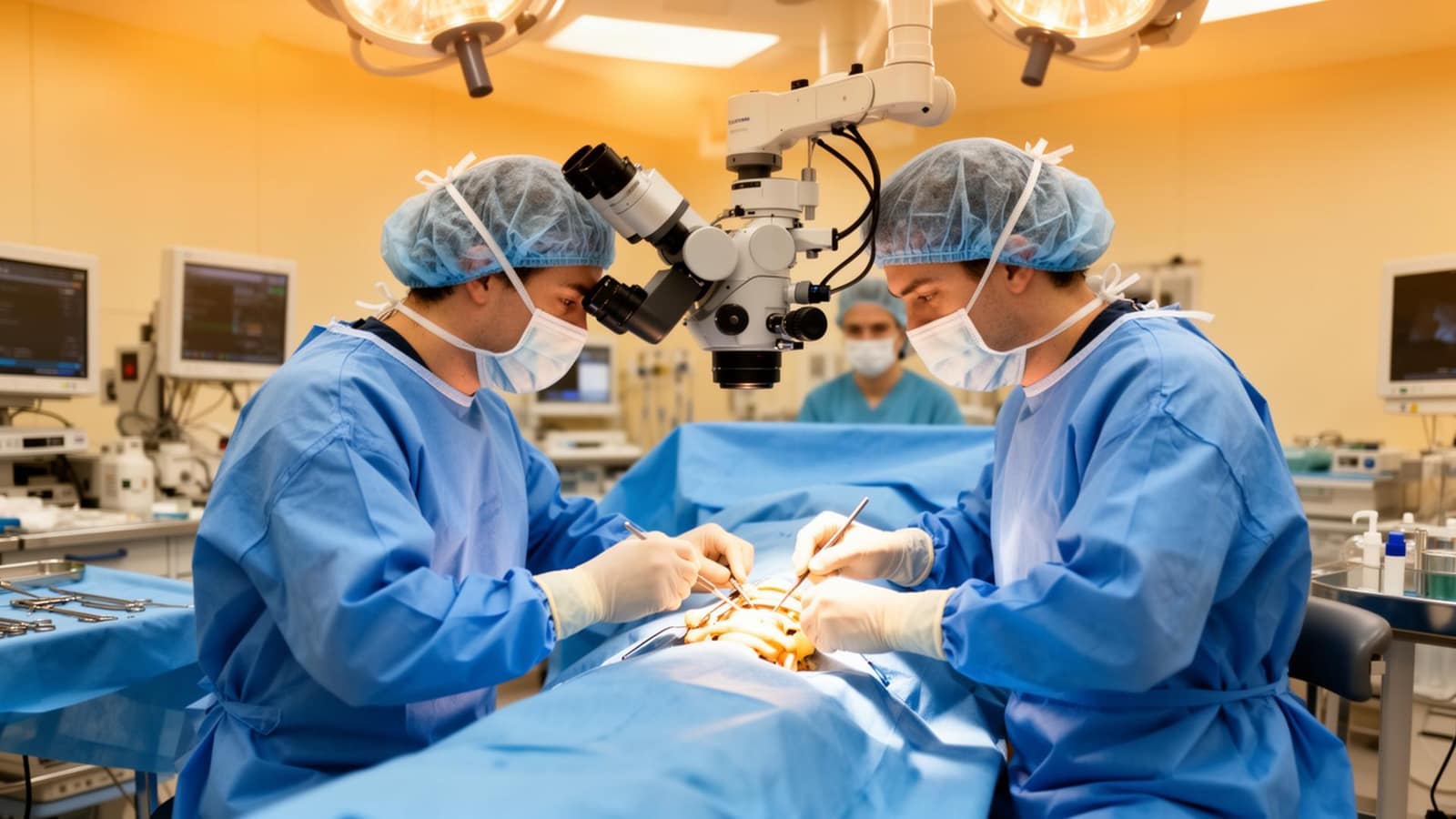
- Procedure: A bone flap is temporarily removed to directly visualize and evacuate the blood clot, identify and control the bleeding source
- Duration: 1-3 hours depending on complexity
- Hospital stay: 5-14 days depending on severity
Decompressive Craniectomy
For massive brain swelling after large hemorrhage or stroke:
- The bone flap is removed and not replaced immediately, allowing the brain to swell externally rather than herniating internally
- Cranioplasty (bone replacement) is performed weeks to months later once swelling resolves
When Is Emergency Surgery Needed?
Urgent surgical evacuation is typically recommended when:
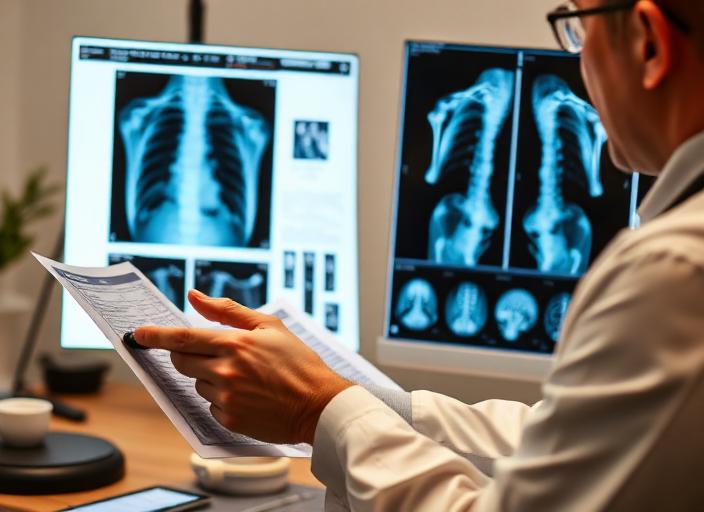
- Hematoma thickness exceeds 10mm on CT scan
- Midline shift greater than 5mm
- Rapidly declining consciousness (dropping Glasgow Coma Scale)
- Signs of brain herniation (fixed dilated pupil)
- Posterior fossa hemorrhage (cerebellar) — particularly dangerous due to brainstem compression
Recovery and Outcomes
- Chronic SDH after burr hole: Most patients make an excellent recovery; recurrence rate approximately 10-15%
- Acute SDH/epidural hematoma: Outcomes strongly depend on speed of intervention — the "golden hour" principle
- ICH: Outcomes vary based on hemorrhage size and location; cerebellar hemorrhages often have good surgical outcomes
Prevention
- Fall prevention in elderly patients is critical
- Regular monitoring for patients on blood thinners
- Protective headgear for high-risk activities
- Blood pressure control to prevent hypertensive hemorrhage
Brain Hemorrhage Treatment at Nova Brain and Spine of GA
Our Hampton, Georgia neurosurgeons provide expert evaluation and surgical management for all types of intracranial hematomas. We serve patients throughout Southern Georgia and Metro Atlanta.
For urgent neurosurgical consultation, call (770) 515-8770.
Related Topics
Dr. Marcus Stephens
Founder & Lead Neurosurgeon
Board-certified neurosurgeon at Nova Brain and Spine of GA, providing expert care in Hampton, Georgia.
Ready to Take the Next Step?
Our board-certified neurosurgeons are here to help. Explore your options or schedule a consultation today.