






What Are Pituitary Tumors?
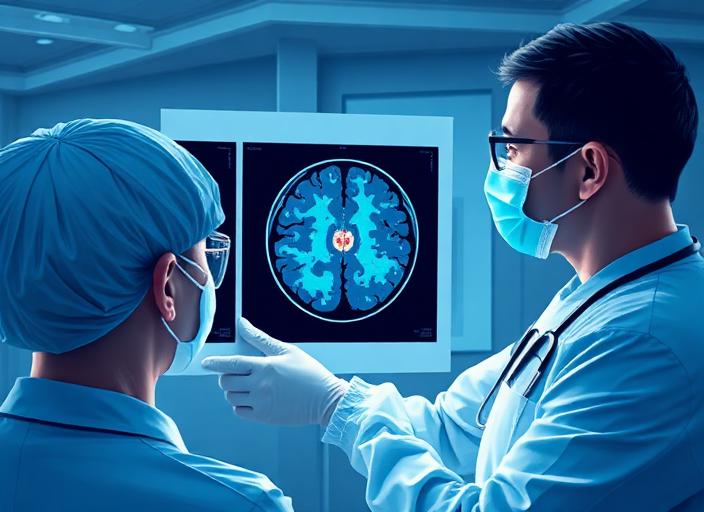
Pituitary adenomas are growths of the pituitary gland — the body's "master gland" located at the base of the brain behind the nose. They are among the most common intracranial tumors, affecting approximately 1 in 1,000 people. Nearly all pituitary adenomas are benign (non-cancerous).
Despite being benign, pituitary tumors can cause significant problems:
- Hormone overproduction: Leading to conditions like Cushing's disease or acromegaly
- Mass effect: Compressing the optic nerves (causing vision loss) or normal pituitary tissue (causing hormone deficiency)
Types of Pituitary Tumors
Prolactinoma (Most Common)
- Overproduces prolactin
- Symptoms in women: Irregular periods, infertility, breast discharge
- Symptoms in men: Decreased libido, erectile dysfunction, breast enlargement
- Treatment: Usually medication first (cabergoline); surgery if medication-intolerant
Cushing's Disease (ACTH-Secreting)
- Overproduces ACTH, driving cortisol excess
- Symptoms: Central weight gain, moon face, buffalo hump, diabetes, hypertension, thin skin, easy bruising, osteoporosis, muscle weakness
- Treatment: Surgery is first-line — transsphenoidal adenomectomy
Acromegaly (Growth Hormone-Secreting)
- Overproduces growth hormone (GH) in adults
- Symptoms: Enlarged hands, feet, and facial features; joint pain; carpal tunnel; diabetes; sleep apnea; cardiovascular disease
- Treatment: Surgery is first-line for most patients
Non-Functioning Adenoma
- No hormone excess
- Discovered when large enough to cause vision loss or headache
- Treatment: Surgery when symptomatic or progressively growing
Pituitary Apoplexy
- Sudden hemorrhage or infarction within a pituitary tumor
- Emergency presentation: Severe thunderclap headache, vision loss, hormonal crisis
- Treatment: Urgent surgical decompression and hormone replacement
The Transsphenoidal Surgical Approach
What Is Transsphenoidal Surgery?
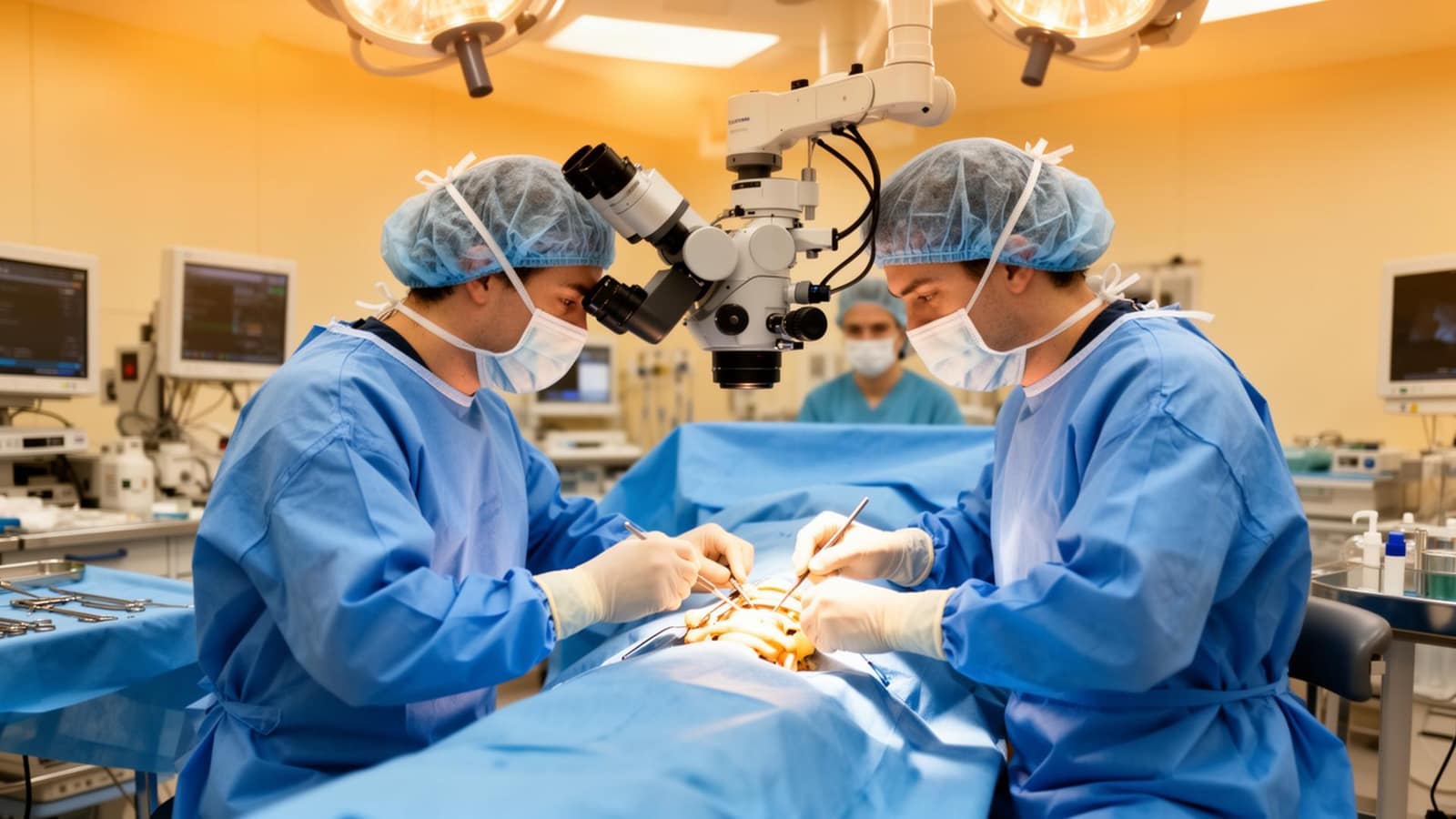
The endoscopic endonasal transsphenoidal approach is the gold standard for pituitary tumor removal. The surgeon accesses the pituitary gland through the nostril and sphenoid sinus — no external incisions, no brain retraction, and no visible scars.
Step-by-Step Procedure
- Nasal access: An endoscope is inserted through one nostril
- Sphenoid sinus opening: The thin bone separating the sinus from the pituitary is removed
- Sellar floor removal: The bone covering the pituitary gland is carefully opened
- Tumor removal: The adenoma is separated from normal pituitary tissue and removed using specialized instruments under HD endoscopic visualization
- Reconstruction: The sellar floor is repaired using tissue grafts and/or synthetic materials to prevent CSF leak
- Nasal packing: May be placed temporarily for 24-48 hours
Advantages Over Craniotomy
- No external incisions — surgery entirely through the nose
- Shorter hospital stay: 1-2 days vs. 5-7 days
- Faster recovery: Return to work in 2-4 weeks
- Less pain: No scalp incision or bone flap
- Better visualization: HD endoscope provides superior views compared to microscope
Cure Rates and Outcomes
Hormonal Cure Rates
- Microadenomas (<10mm): 80-90% hormonal cure rate
- Macroadenomas (>10mm): 50-70% hormonal cure rate
- Cushing's disease: 70-90% initial remission rate
- Acromegaly: 75-95% for microadenomas; 40-60% for macroadenomas
Vision Recovery
Over 80% of patients with pre-operative visual field deficits experience significant improvement after tumor decompression, often within days of surgery.
Complications
- CSF leak: Less than 3% with modern reconstruction techniques
- Diabetes insipidus (temporary): 10-20%, usually resolves within days
- Pituitary insufficiency: Risk increases with larger tumors
- Nasal complications: Crusting, congestion — typically temporary
Recovery After Pituitary Surgery
Hospital Stay (1-2 Days)
- Frequent neurological and vision checks
- Hormone levels monitored
- Nasal packing removed (if used)
- Desmopressin given if diabetes insipidus develops
First 4-6 Weeks
- Avoid nose blowing, straining, and heavy lifting
- Nasal saline rinses to promote healing
- Endocrine labs at 2 and 6 weeks
- Follow-up MRI at 3 months
Long-Term Follow-Up
- Annual MRI surveillance for residual or recurrent tumor
- Ongoing endocrine monitoring and hormone replacement as needed
- Visual field testing if optic nerve involvement was present
Pituitary Surgery at Nova Brain and Spine of GA
Dr. Marcus Stephens provides expert evaluation and transsphenoidal surgical management for all types of pituitary tumors at our Hampton, Georgia practice. We provide comprehensive care from initial hormone workup through surgery and long-term endocrine follow-up, serving patients throughout Southern Georgia and Metro Atlanta.
Call (770) 515-8770 to schedule a pituitary tumor evaluation.
Related Topics
Dr. Marcus Stephens
Founder & Lead Neurosurgeon
Board-certified neurosurgeon at Nova Brain and Spine of GA, providing expert care in Hampton, Georgia.
Ready to Take the Next Step?
Our board-certified neurosurgeons are here to help. Explore your options or schedule a consultation today.