



What is Functional Neurosurgery?
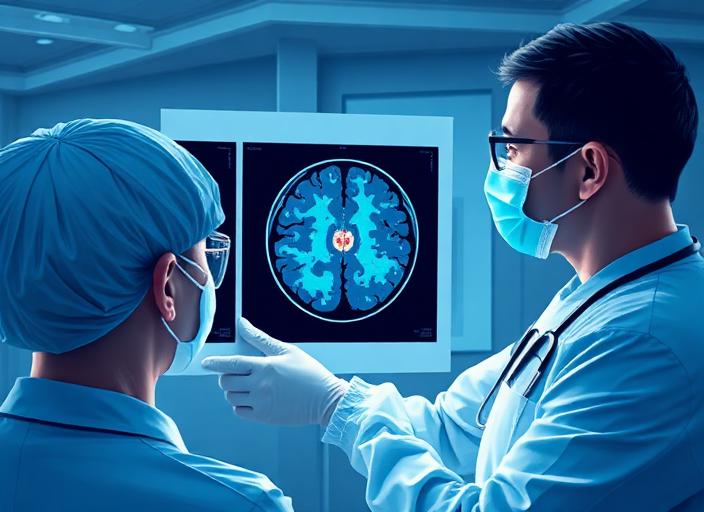
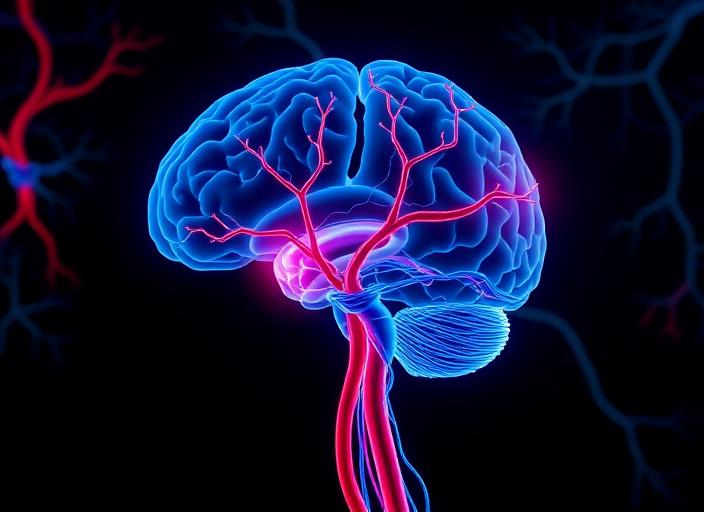
Functional neurosurgery is a subspecialty focused on modifying brain circuits to treat neurological conditions that don't respond adequately to medications. The two most important areas are deep brain stimulation (DBS) for movement disorders and surgery for drug-resistant epilepsy.
Deep Brain Stimulation (DBS)
How Does DBS Work?
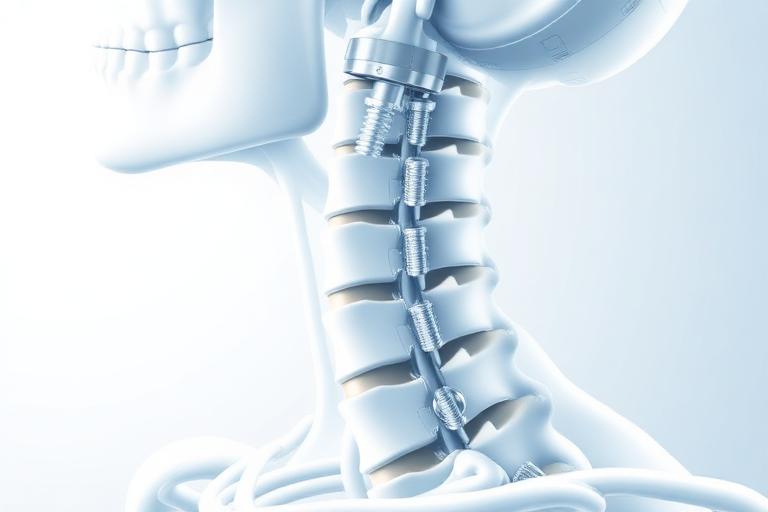
DBS involves implanting thin electrodes into specific targets deep within the brain. These electrodes deliver precisely calibrated electrical impulses that modulate abnormal brain circuits, much like a pacemaker regulates the heart.
Components of a DBS System
- Leads (electrodes): Thin wires with multiple contacts, placed in the brain
- Extension wires: Connect leads to the pulse generator under the skin
- Pulse generator (IPG): Battery-powered device implanted under the collarbone
- Patient programmer: Remote control for adjustments
Conditions Treated with DBS
Parkinson's Disease
- Most common indication for DBS
- Treats tremor, rigidity, bradykinesia (slow movement)
- Reduces medication needs and "off" time
- Targets: subthalamic nucleus (STN) or globus pallidus (GPi)
- Expected improvement: 50-70% in motor symptoms
Essential Tremor
- Uncontrollable shaking of hands, head, or voice
- DBS of the ventral intermediate nucleus (VIM) of the thalamus
- Expected improvement: 60-90% tremor reduction
- Often life-changing for patients who can't eat, write, or dress
Dystonia
- Involuntary sustained muscle contractions
- DBS of the globus pallidus internus (GPi)
- Improvement develops gradually over weeks to months
- Expected improvement: 50-70%
The DBS Procedure
Stage 1: Lead Placement
- High-resolution MRI for target planning
- Stereotactic frame or frameless navigation system
- Electrode placement with millimeter precision
- Intraoperative testing to confirm optimal placement
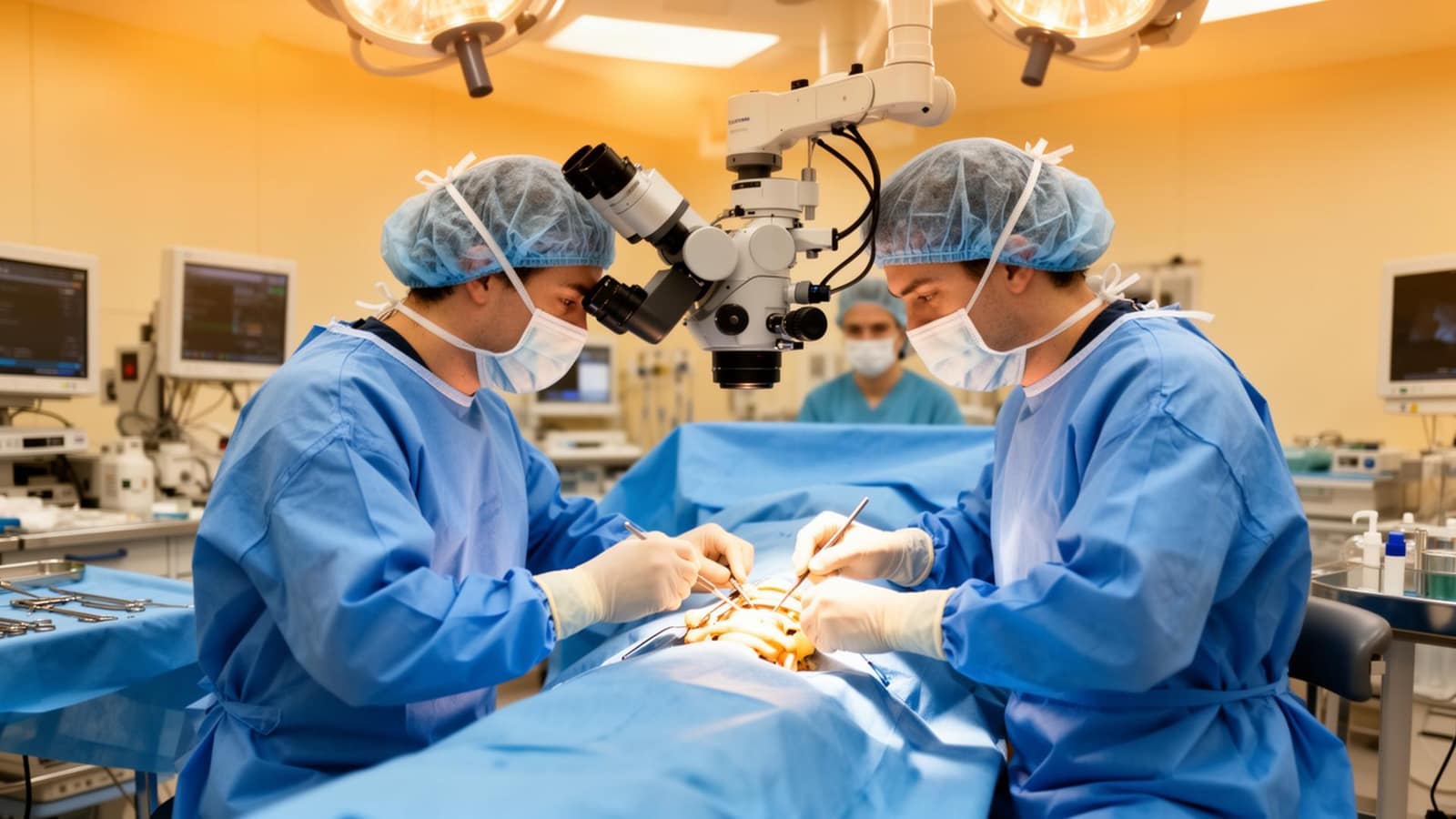
- Surgery takes 3-5 hours
Stage 2: Generator Implant
- Performed 1-2 weeks after lead placement
- Pulse generator placed under the collarbone
- Connected to leads via extension wires
- Outpatient procedure under general anesthesia
Stage 3: Programming
- Fine-tuning stimulation parameters
- Multiple programming sessions over weeks to months
- Adjustments made using external programmer
- Optimal settings found through systematic testing
Epilepsy Surgery
When is Epilepsy Surgery Considered?
Epilepsy surgery should be considered when:
- Seizures are not controlled by two or more appropriate medications
- Seizures significantly impact quality of life, work, driving, or safety
- A surgically treatable seizure focus can be identified
Important: About one-third of epilepsy patients are drug-resistant, and surgery can be life-changing for appropriate candidates.
Presurgical Evaluation
A thorough workup to identify the seizure focus:
- Video-EEG monitoring: Capturing seizures to identify their origin
- High-resolution MRI: Looking for structural abnormalities
- PET scan: Showing areas of decreased metabolism between seizures
- Neuropsychological testing: Assessing memory, language, and cognitive function
- Wada test or fMRI: Determining language and memory lateralization
- Invasive EEG: Electrode grids or depth electrodes for precise localization
Types of Epilepsy Surgery
Temporal Lobectomy
- Most common and most successful epilepsy surgery
- Removes the anterior temporal lobe including the hippocampus
- Seizure-free rate: 60-80%
- Well-established safety profile
Lesionectomy
- Removal of structural lesion causing seizures
- Tumors, cavernous malformations, cortical dysplasia
- Seizure-free rate: 70-90% for lesional epilepsy
- Preserves surrounding normal brain
Neuromodulation Options
- VNS (Vagus Nerve Stimulator): Reduces seizure frequency by 50% in about half of patients
- RNS (Responsive Neurostimulation): Detects seizure onset and delivers stimulation to stop it
- DBS for epilepsy: Thalamic stimulation for generalized or multifocal epilepsy
Disconnective Surgery
- Corpus callosotomy: Prevents seizure spread between hemispheres; used for drop attacks
- Hemispherotomy: For severe unilateral epilepsy, often in children
Living with DBS or After Epilepsy Surgery
DBS Maintenance
- Battery replacement every 3-5 years (or 15+ years with rechargeable)
- Periodic programming adjustments
- Regular neurological follow-up
- MRI compatibility varies by system
After Epilepsy Surgery
- Gradual medication reduction under neurologist guidance
- Follow-up EEG monitoring
- Neuropsychological reassessment
- Return to driving per state guidelines after seizure freedom
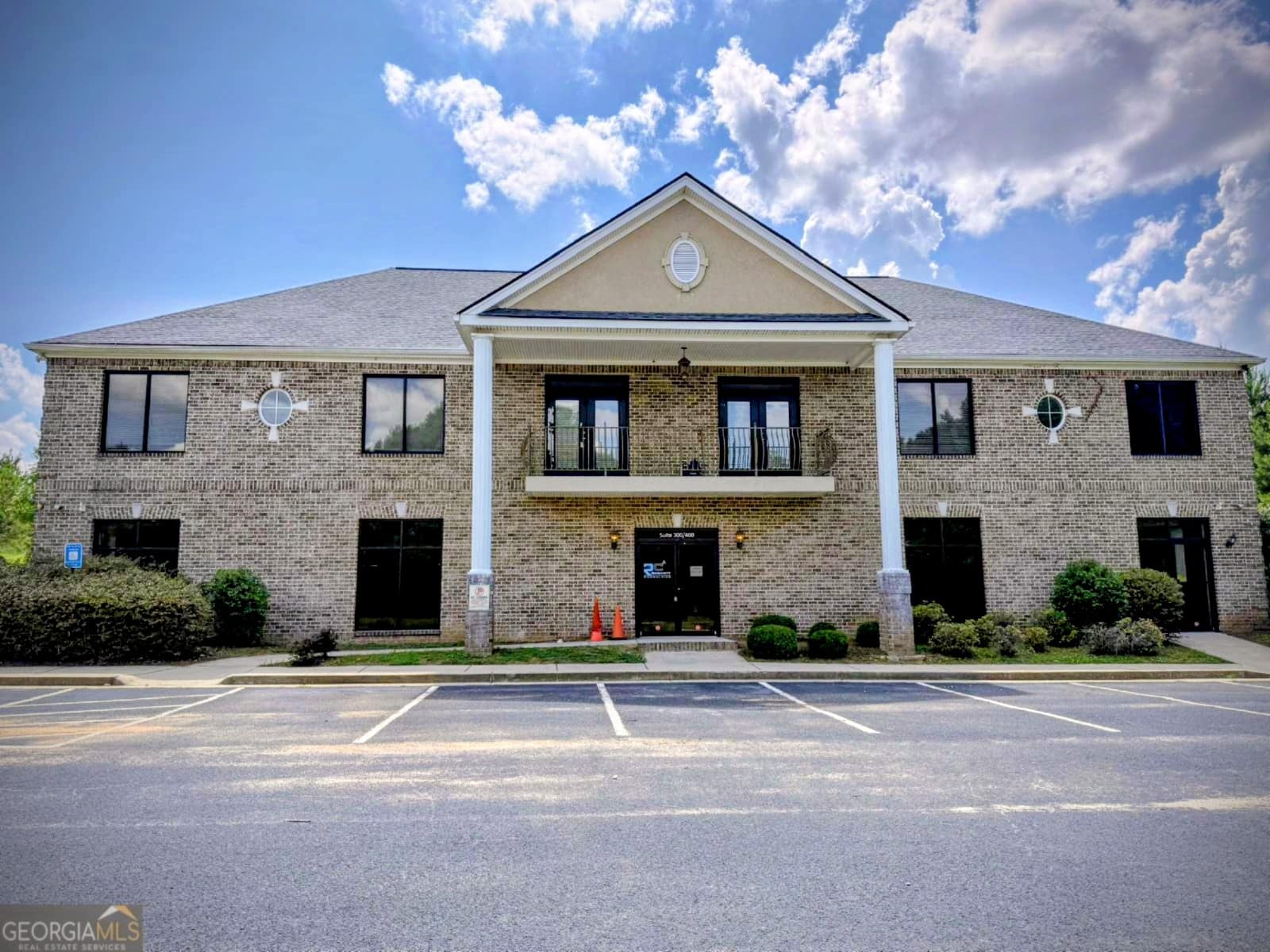
Expert Functional Neurosurgery at Nova Brain and Spine
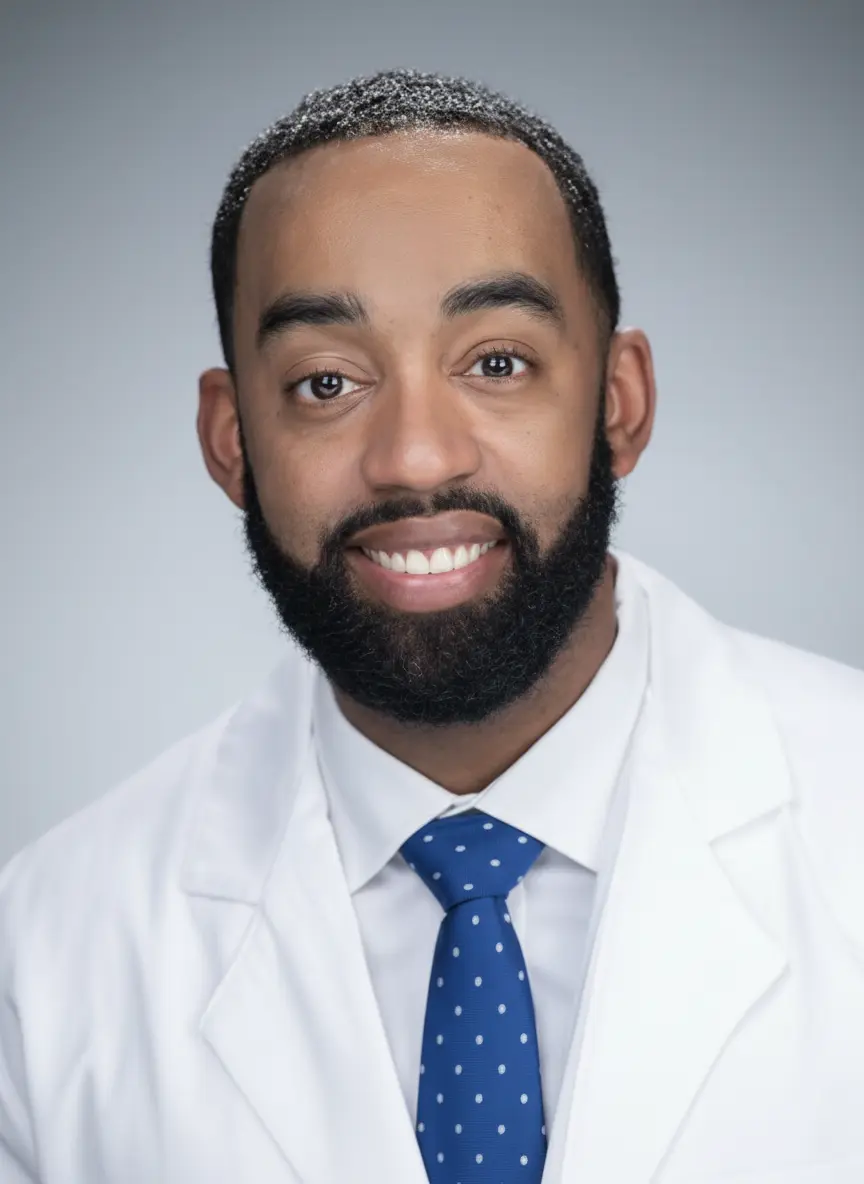
Dr. Marcus Stephens provides comprehensive functional neurosurgery services, bringing advanced DBS and epilepsy surgery to patients throughout Hampton, GA and Southern Georgia.
Call (770) 297-8133 to schedule your evaluation.
Related Topics
Dr. Marcus Stephens
Board-Certified Neurosurgeon, Skull Base & Cerebrovascular Specialist
Board-certified neurosurgeon at Nova Brain and Spine of GA, providing expert care in Hampton, Georgia.
Ready to Take the Next Step?
Our board-certified neurosurgeons are here to help. Explore your options or schedule a consultation today.