





    Skip to main content
    Call Now: (770) 515-8770Schedule Today!
    Brain Conditions

    Concussion and Traumatic Brain Injury: A Complete Recovery Guide

    Dr. Marcus Stephens
    January 28, 2026
    11 min read

    What is a Concussion?

    A concussion is a type of mild traumatic brain injury (TBI) caused by a bump, blow, or jolt to the head, or by a hit to the body that causes the head and brain to move rapidly back and forth. This sudden movement can cause the brain to bounce around or twist in the skull, creating chemical changes and sometimes damaging brain cells.

    Concussion vs. Traumatic Brain Injury

    While concussions are classified as "mild" TBIs, all brain injuries should be taken seriously:

    • Mild TBI (Concussion): Brief change in mental status or consciousness
    • Moderate TBI: Loss of consciousness for minutes to hours
    • Severe TBI: Extended unconsciousness or amnesia

    Common Causes

    Sports-Related

    • Football, soccer, hockey
    • Basketball, baseball
    • Cycling, skateboarding
    • Cheerleading, gymnastics

    Other Causes

    • Motor vehicle accidents
    • Falls (especially in elderly)
    • Work-related injuries
    • Assault or violence
    • Military combat

    Recognizing Concussion Symptoms

    Symptoms may appear immediately or develop over hours to days.

    Physical Symptoms

    • Headache or "pressure" in the head
    • Nausea or vomiting
    • Balance problems or dizziness
    • Fatigue or drowsiness
    • Blurred or double vision
    • Sensitivity to light or noise
    • Difficulty sleeping or sleeping more than usual

    Cognitive Symptoms

    • Difficulty thinking clearly or concentrating
    • Feeling mentally "foggy"
    • Difficulty remembering new information
    • Feeling slowed down

    Emotional Symptoms

    • Irritability
    • Sadness or depression
    • Anxiety or nervousness
    • More emotional than usual

    Danger Signs (Seek Emergency Care)

    For Adults:

    • One pupil larger than the other
    • Extreme drowsiness, can't be awakened
    • Worsening headache
    • Slurred speech
    • Repeated vomiting
    • Seizures
    • Increasing confusion
    • Loss of consciousness

    For Children:

    • Won't stop crying, can't be consoled
    • Won't nurse or eat
    • Any of the adult danger signs

    Diagnosis

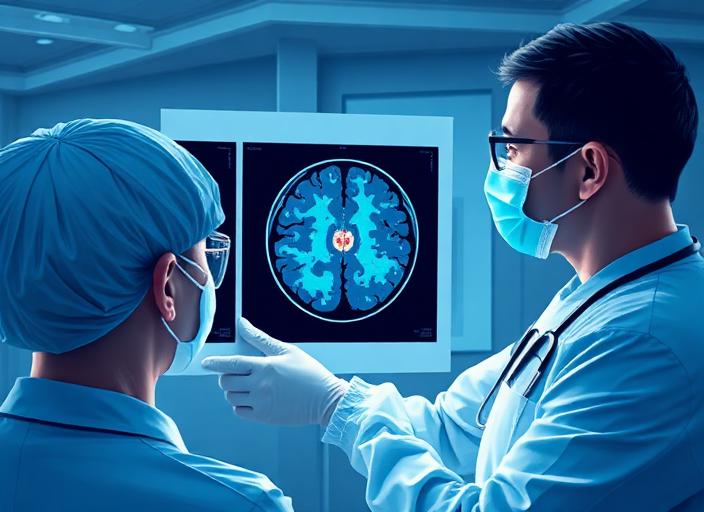
    A proper concussion evaluation includes:

    1. Symptom assessment: Using standardized tools
    2. Cognitive testing: Memory, concentration, balance
    3. Neurological examination: Reflexes, coordination, sensation
    4. CT or MRI: If more severe injury is suspected

    Treatment and Recovery

    Immediate Care (First 24-48 Hours)

    • Rest: Both physical and cognitive rest
    • Avoid screens and reading
    • Sleep in a dark, quiet room
    • Avoid driving
    • Have someone check on you regularly

    Recovery Phase

    Physical Rest Guidelines:

    • Gradual return to daily activities
    • Avoid strenuous exercise initially
    • Progress activity as symptoms allow
    • Stop any activity that worsens symptoms

    Cognitive Rest Guidelines:

    • Limit screen time
    • Take breaks from work or school
    • Avoid multitasking
    • Gradually increase mental activity

    Return to Activity Protocol

    A step-by-step approach:

    1. Complete rest until symptoms improve
    2. Light activity: Walking, light housework
    3. Moderate activity: Light jogging, swimming
    4. Heavy, non-contact activity: Running, weightlifting
    5. Full practice: With medical clearance
    6. Return to normal activity

    Each step should take at least 24 hours. If symptoms return, go back to the previous step.

    When to See a Specialist

    Consult a neurosurgeon or concussion specialist if:

    • Symptoms persist beyond 2-3 weeks
    • Symptoms are severe or worsening
    • Multiple concussions in your history
    • Concerned about long-term effects
    • Need clearance for work or sports

    Post-Concussion Syndrome

    Some people develop persistent symptoms lasting weeks to months:

    • Chronic headaches
    • Dizziness
    • Difficulty concentrating
    • Memory problems
    • Sleep disturbances
    • Mood changes

    Treatment may include:

    • Specialized physical therapy
    • Vestibular rehabilitation
    • Cognitive rehabilitation
    • Medication management
    • Psychological support

    Preventing Future Concussions

    For Athletes:

    • Wear properly fitted protective equipment
    • Follow rules designed to prevent head injuries
    • Strengthen neck muscles
    • Report all potential concussions

    General Prevention:

    • Wear seat belts in vehicles
    • Use handrails on stairs
    • Remove fall hazards at home
    • Wear helmets for appropriate activities

    Expert Care at Nova Brain and Spine

    Our neurosurgeons provide comprehensive evaluation and treatment for concussions and traumatic brain injuries. We offer:

    • Thorough neurological evaluations
    • Advanced imaging when needed
    • Personalized recovery plans
    • Return-to-activity clearances
    • Treatment for persistent symptoms

    Contact us at (770) 297-8133 for a consultation.

    Related Topics

    concussion
    TBI
    traumatic brain injury
    head injury
    sports injury

    Dr. Marcus Stephens

    Board-Certified Neurosurgeon, Skull Base & Cerebrovascular Specialist

    Board-certified neurosurgeon at Nova Brain and Spine of GA, providing expert care in Hampton, Georgia.

    Ready to Take the Next Step?

    Our board-certified neurosurgeons are here to help. Explore your options or schedule a consultation today.

    Related Articles

    Brain Conditions

    Epidural vs. Subdural Hematoma: A Complete Patient & Student Guide

    A clear, side-by-side comparison of epidural and subdural hematomas — the bleeding source, onset speed, CT appearance, clinical presentation, and how neurosurgeons treat each.

    Dr. Marcus Stephens
    Jun 24, 2026
    8 min read
    Read full article
    Brain Conditions

    Brain Hematoma vs Brain Hemorrhage: Key Differences, Symptoms, and Treatment

    Hematoma and hemorrhage both involve bleeding in or around the brain, but they're not the same. Learn how neurosurgeons tell them apart and how each is treated.

    Dr. Marcus Stephens
    Jun 22, 2026
    7 min read
    Read full article
    Local Care

    Neurosurgeon in Hampton, GA — Herniated Disc Relief & Brain and Spine Care

    A neurosurgeon's guide for Hampton, Henry County residents: herniated disc relief, the conditions we treat most from your area, the drive from Hampton to our Hampton office, and how we coordinate with Piedmont Henry Hospital in Stockbridge.

    Dr. Jerry Walters II
    Jun 20, 2026
    7 min read
    Read full article