



    Skip to main content
    Call Now: (770) 515-8770Schedule Today!
    Brain Procedures

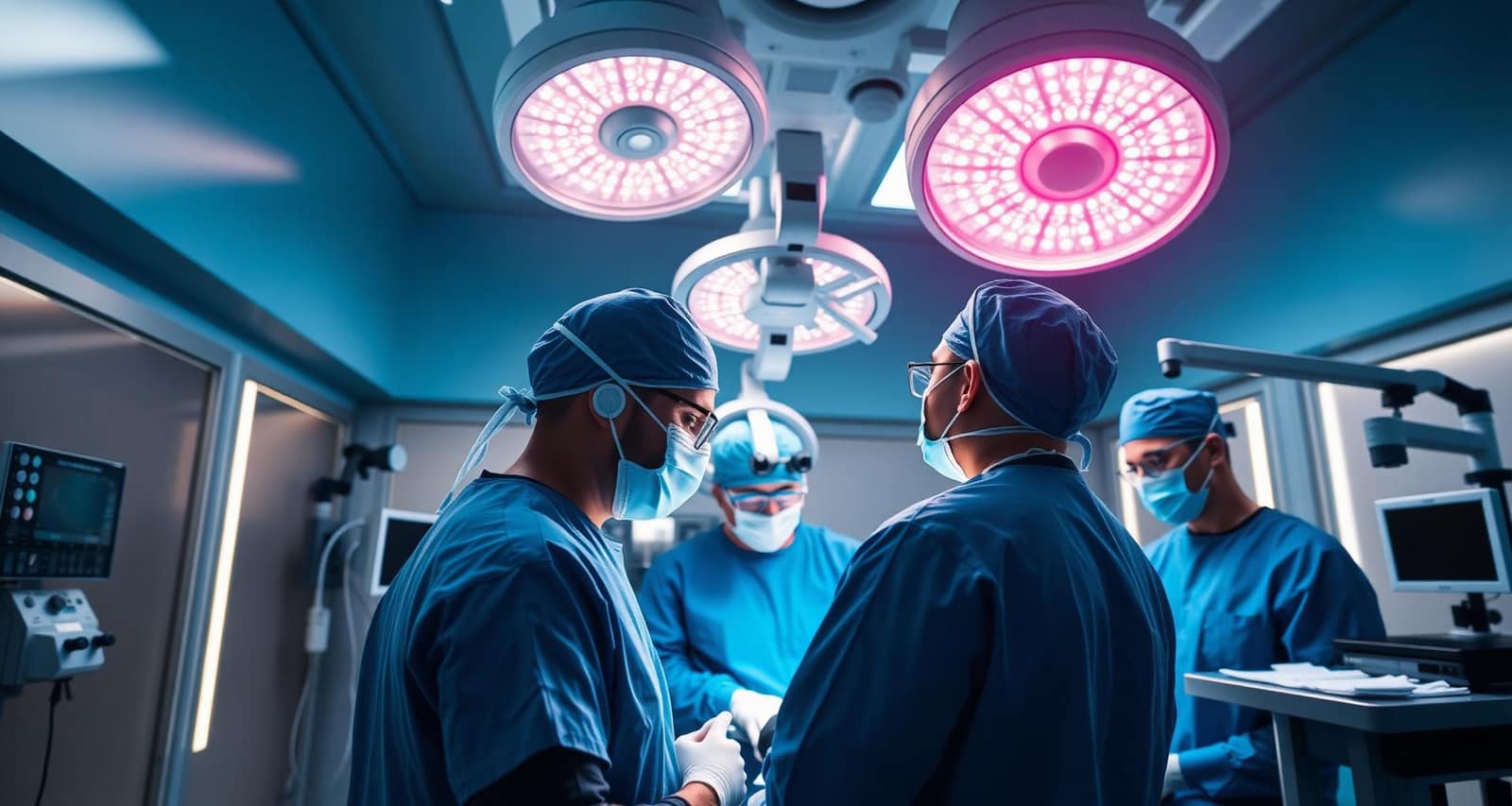
    Complex Brain Tumor Surgery: Advanced Craniotomy with Navigation and Monitoring

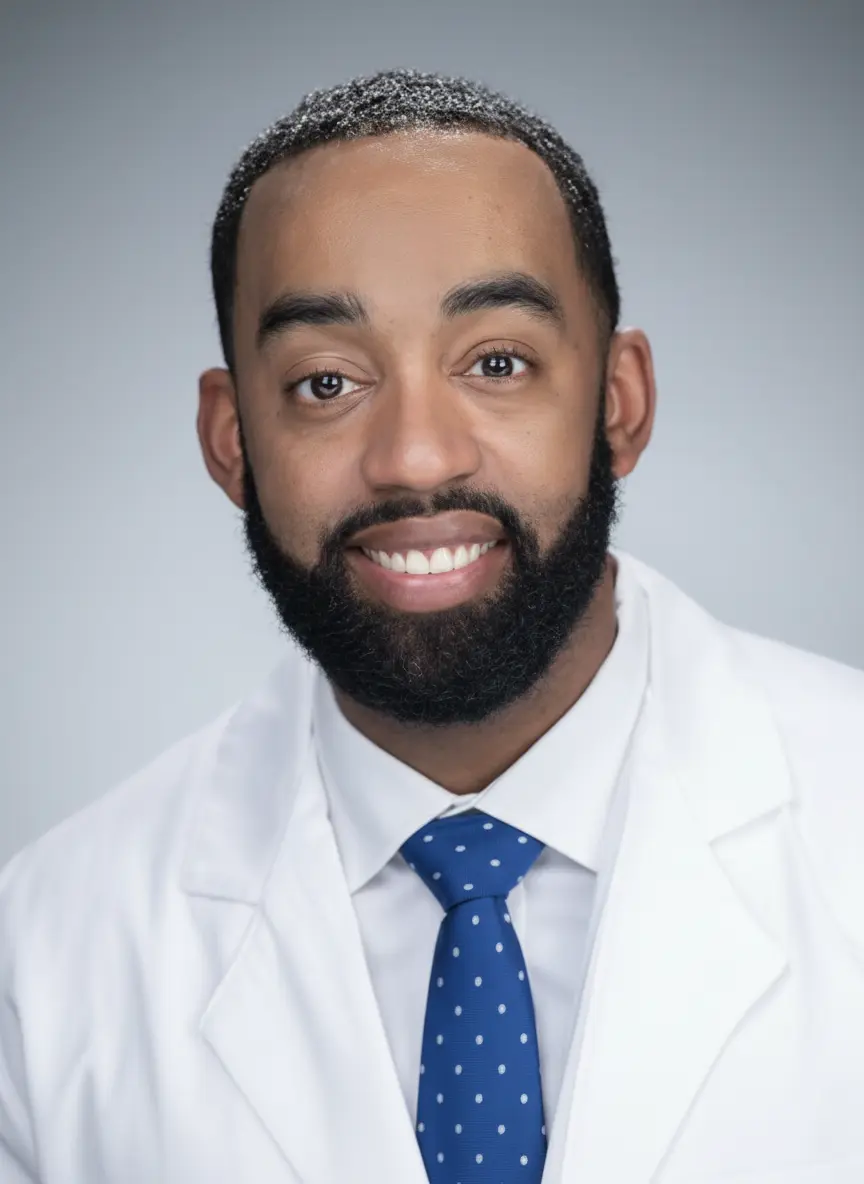
    Dr. Marcus Stephens
    February 16, 2026
    12 min read

    The Evolution of Brain Tumor Surgery

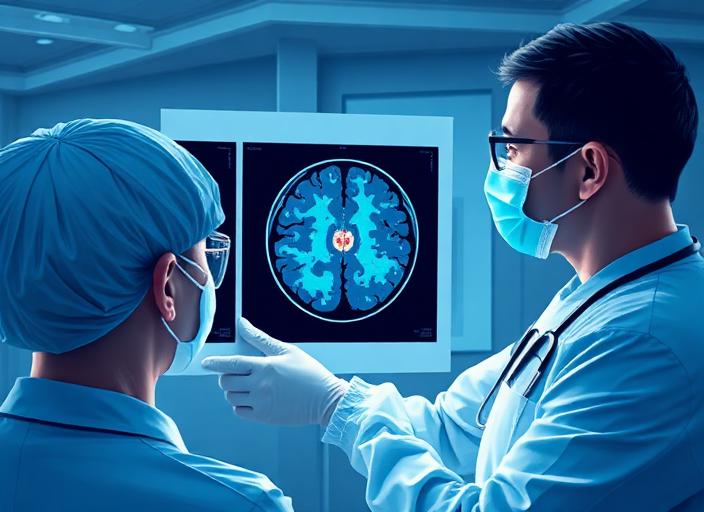
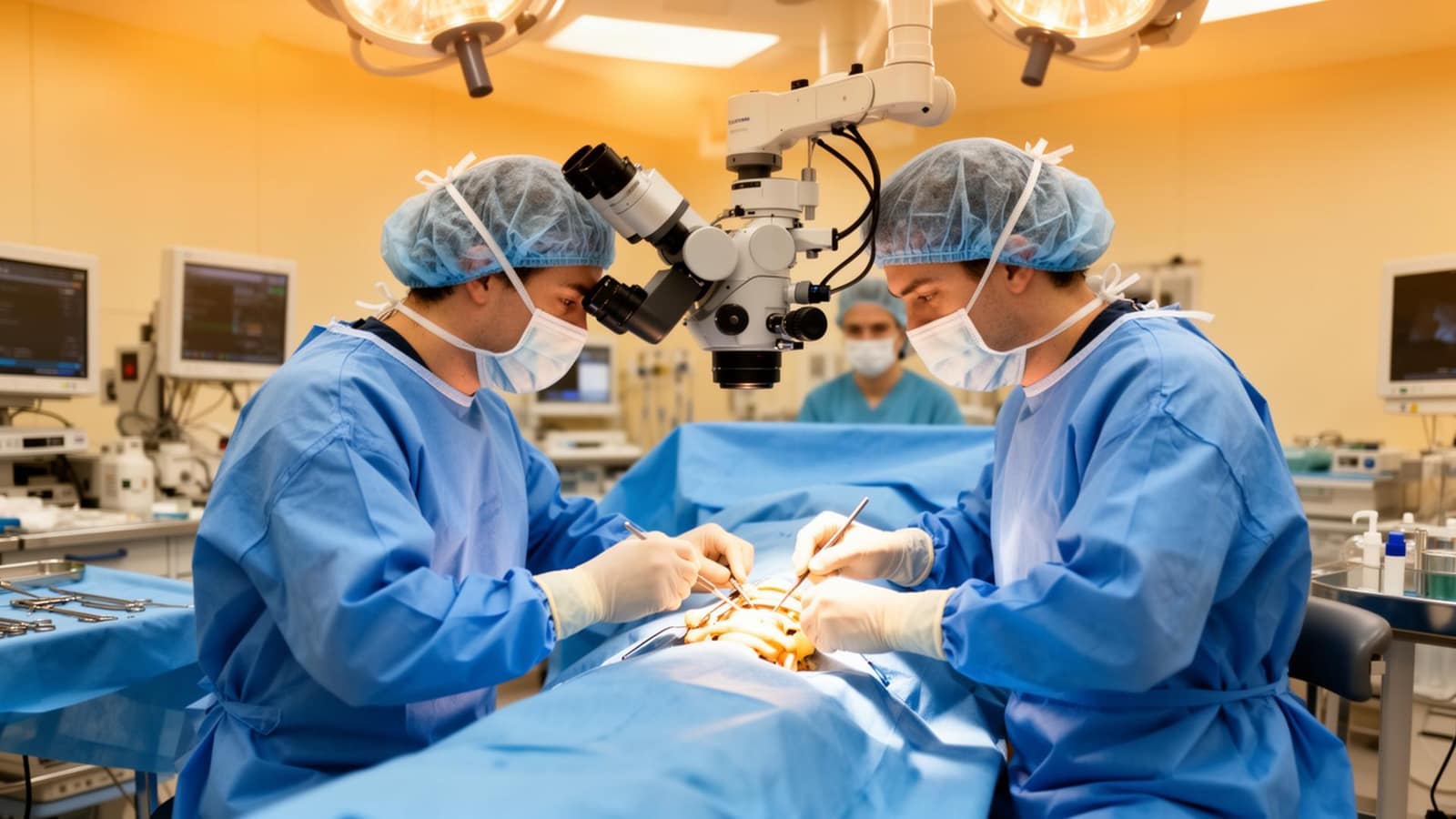
    Brain tumor surgery has been transformed by technological advances that allow neurosurgeons to remove tumors more completely while preserving critical brain functions. Today's complex craniotomy procedures incorporate multiple advanced technologies for the safest possible outcomes.

    What Makes Brain Tumor Surgery "Complex"?

    Not all brain tumors are straightforward. Complex cases involve:

    • Tumors located near speech, motor, or vision centers
    • Large tumors causing significant brain compression
    • Tumors involving or adjacent to major blood vessels
    • Recurrent tumors after prior surgery or radiation
    • Deep-seated tumors requiring specialized surgical corridors
    • High-grade gliomas requiring maximal safe resection

    Advanced Technologies in Modern Brain Surgery

    Intraoperative Navigation (Neuronavigation)

    Think of neuronavigation as GPS for the brain:

    • Preoperative MRI is loaded into the navigation system
    • Real-time tracking shows the surgeon's instruments relative to the tumor
    • Millimeter precision helps distinguish tumor from normal brain
    • Updated imaging can be obtained during surgery if brain shift occurs

    This technology is essential for reaching deep tumors and maximizing removal while avoiding critical structures.

    Neurophysiological Monitoring

    Continuous monitoring of brain function during surgery:

    • Motor evoked potentials (MEPs): Monitor movement pathways
    • Somatosensory evoked potentials (SSEPs): Monitor sensation pathways
    • Direct cortical stimulation: Map functional areas of the brain
    • Electromyography (EMG): Monitor cranial nerve function
    • EEG monitoring: Detect seizure activity

    If a change is detected, the surgeon is immediately alerted and can modify the approach to protect function.

    Awake Craniotomy

    For tumors near language or motor areas:

    • Patient is sedated for the opening and closing portions
    • Awakened during the critical tumor removal phase
    • Real-time testing of speech, language, naming, reading, and motor function
    • Allows the surgeon to maximize tumor removal while confirming preserved function
    • The patient feels no pain during the awake portion

    Fluorescence-Guided Surgery

    For high-grade gliomas (like glioblastoma):

    • 5-ALA (Gleolan): A special dye taken before surgery
    • Tumor tissue glows pink/violet under blue light
    • Normal brain tissue does not glow
    • Helps identify tumor margins that look normal to the naked eye
    • Studies show improved extent of resection

    Types of Brain Tumors We Treat

    • Gliomas: Astrocytomas, oligodendrogliomas, glioblastoma
    • Meningiomas: Including complex skull base locations
    • Metastatic tumors: From lung, breast, melanoma, and others
    • Pituitary tumors: Transsphenoidal and transcranial approaches
    • Acoustic neuromas: With hearing preservation when possible
    • Craniopharyngiomas: Complex surgical approaches
    • Epidermoid and dermoid cysts: Microsurgical removal

    The Surgical Team

    Complex brain tumor surgery requires a coordinated team:

    • Neurosurgeon (Dr. Marcus Stephens)
    • Neuroanesthesiologist
    • Neurophysiological monitoring technicians
    • Surgical nursing team
    • Neuronavigation specialists

    What to Expect

    Before Surgery

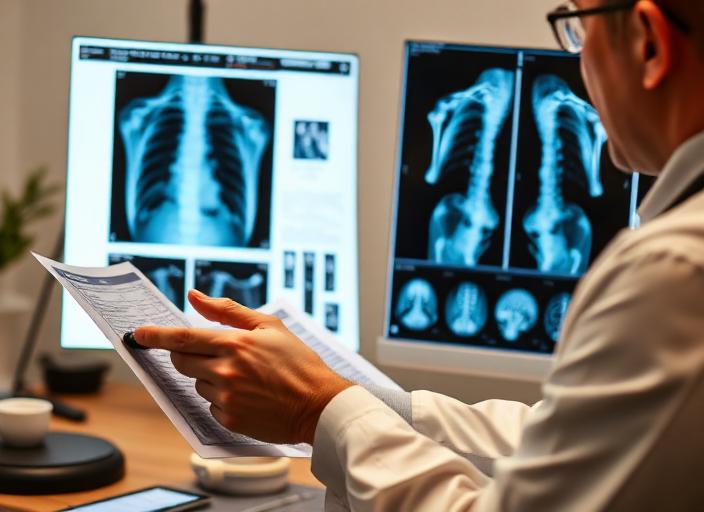
    • Advanced MRI with specialized sequences
    • Multidisciplinary tumor board review
    • Detailed surgical planning
    • Discussion of risks, benefits, and alternatives

    After Surgery

    • ICU monitoring for 1-2 days
    • Neurological checks every few hours
    • Early mobilization
    • MRI within 24-48 hours to assess tumor removal
    • Discharge typically in 3-7 days

    Expert Brain Tumor Surgery at Nova Brain and Spine

    Dr. Marcus Stephens is fellowship-trained in complex cranial surgery, providing world-class brain tumor treatment to patients throughout Hampton, GA and Southern Georgia.

    Call (770) 297-8133 to schedule a consultation.

    Related Topics

    brain tumor
    craniotomy
    neuronavigation
    awake craniotomy
    brain surgery

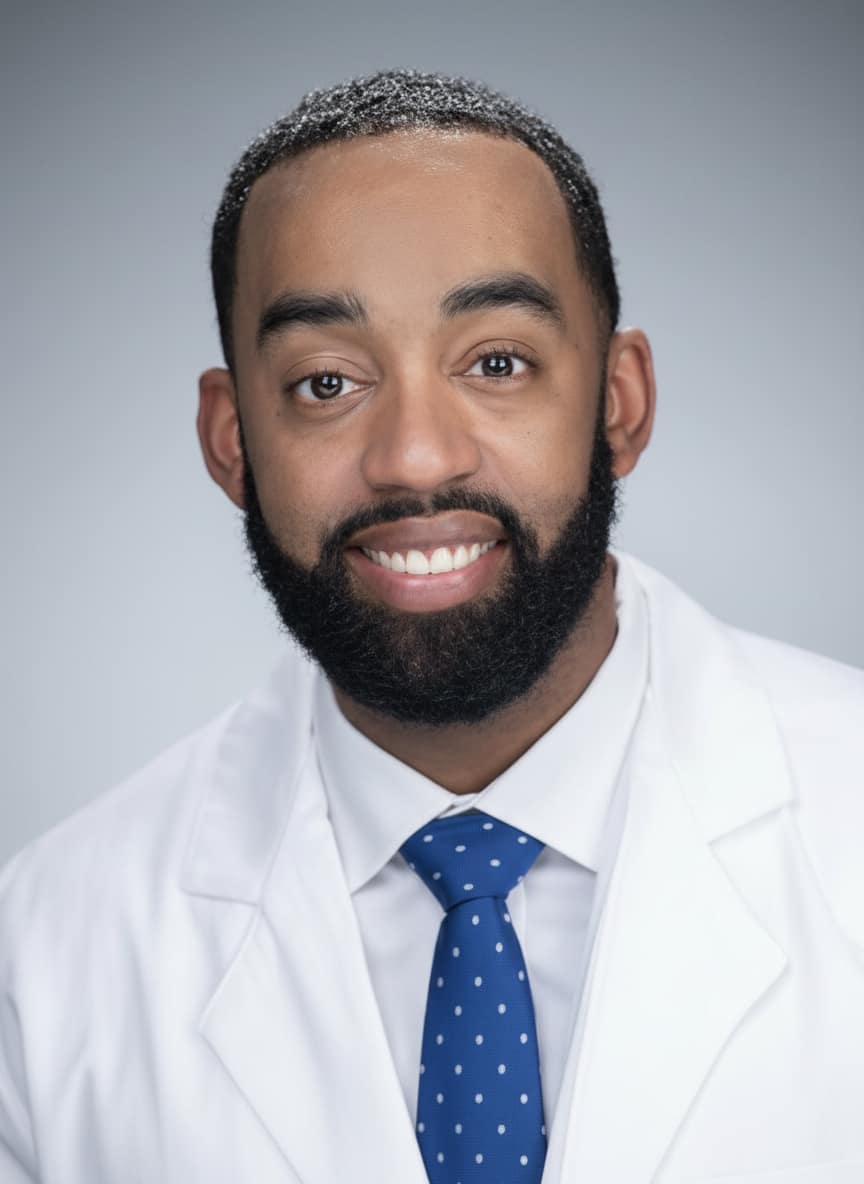
    Dr. Marcus Stephens

    Board-Certified Neurosurgeon, Skull Base & Cerebrovascular Specialist

    Board-certified neurosurgeon at Nova Brain and Spine of GA, providing expert care in Hampton, Georgia.

    Ready to Take the Next Step?

    Our board-certified neurosurgeons are here to help. Explore your options or schedule a consultation today.

    Related Articles

    Brain Conditions

    Epidural vs. Subdural Hematoma: A Complete Patient & Student Guide

    A clear, side-by-side comparison of epidural and subdural hematomas — the bleeding source, onset speed, CT appearance, clinical presentation, and how neurosurgeons treat each.

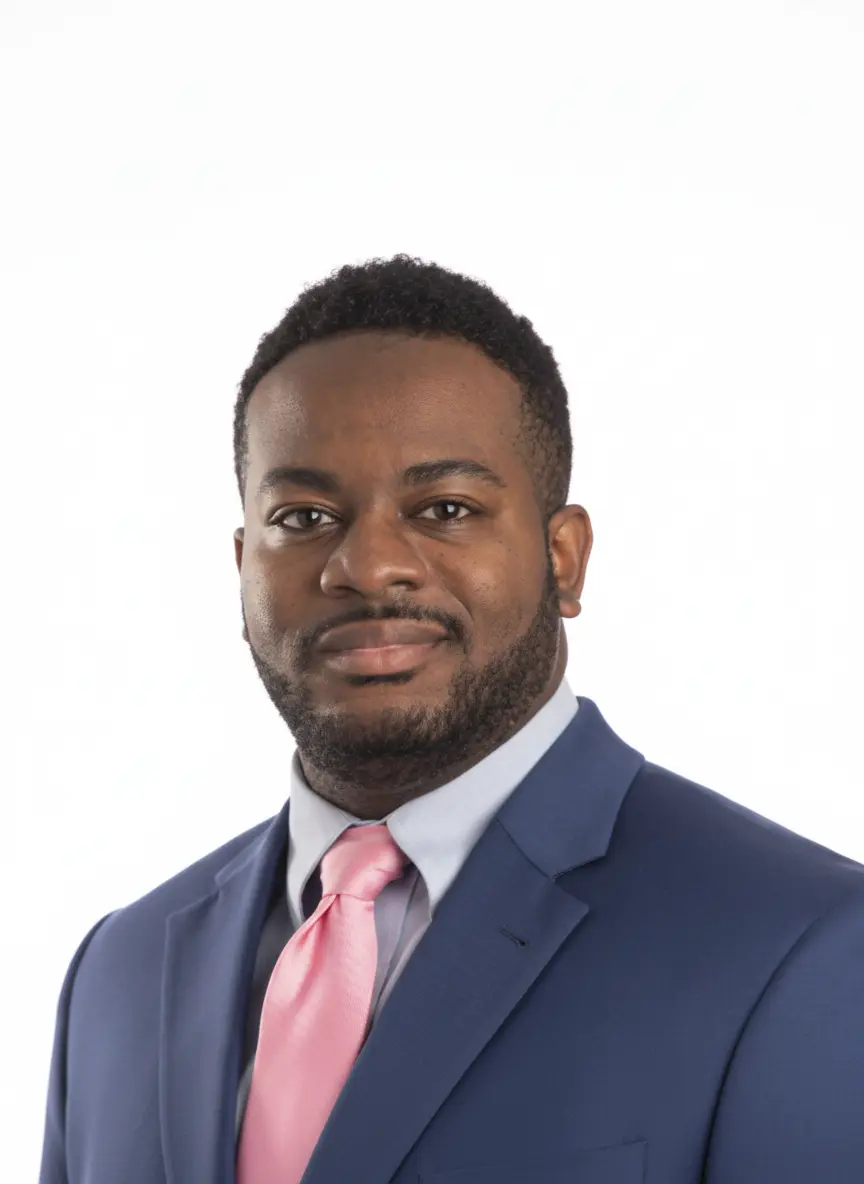
    Dr. Marcus Stephens
    Jun 24, 2026
    8 min read
    Read full article
    Brain Conditions

    Brain Hematoma vs Brain Hemorrhage: Key Differences, Symptoms, and Treatment

    Hematoma and hemorrhage both involve bleeding in or around the brain, but they're not the same. Learn how neurosurgeons tell them apart and how each is treated.

    Dr. Marcus Stephens
    Jun 22, 2026
    7 min read
    Read full article
    Local Care

    Neurosurgeon in Hampton, GA — Herniated Disc Relief & Brain and Spine Care

    A neurosurgeon's guide for Hampton, Henry County residents: herniated disc relief, the conditions we treat most from your area, the drive from Hampton to our Hampton office, and how we coordinate with Piedmont Henry Hospital in Stockbridge.

    Dr. Jerry Walters II
    Jun 20, 2026
    7 min read
    Read full article