




Open Cerebrovascular Surgery
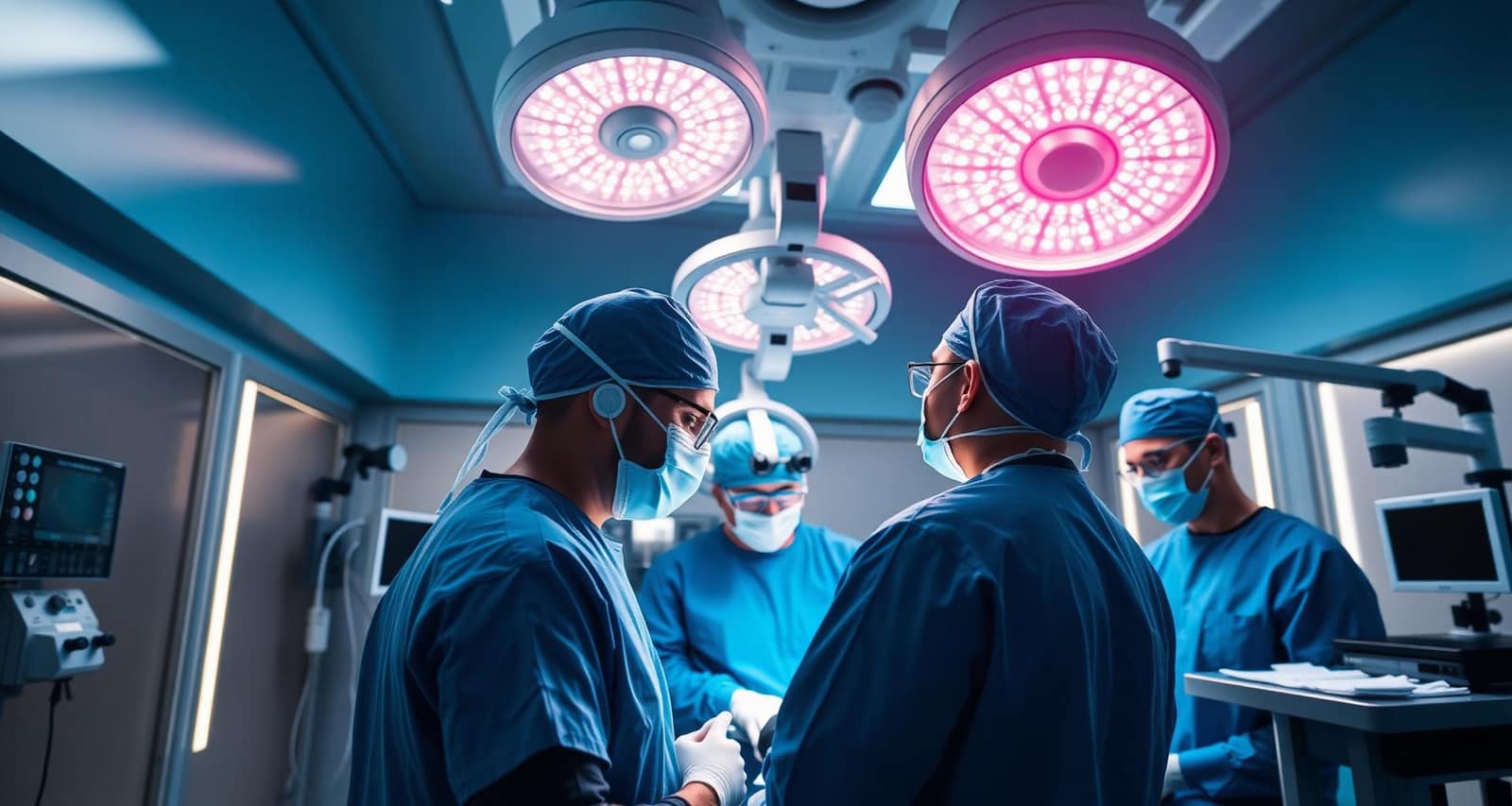
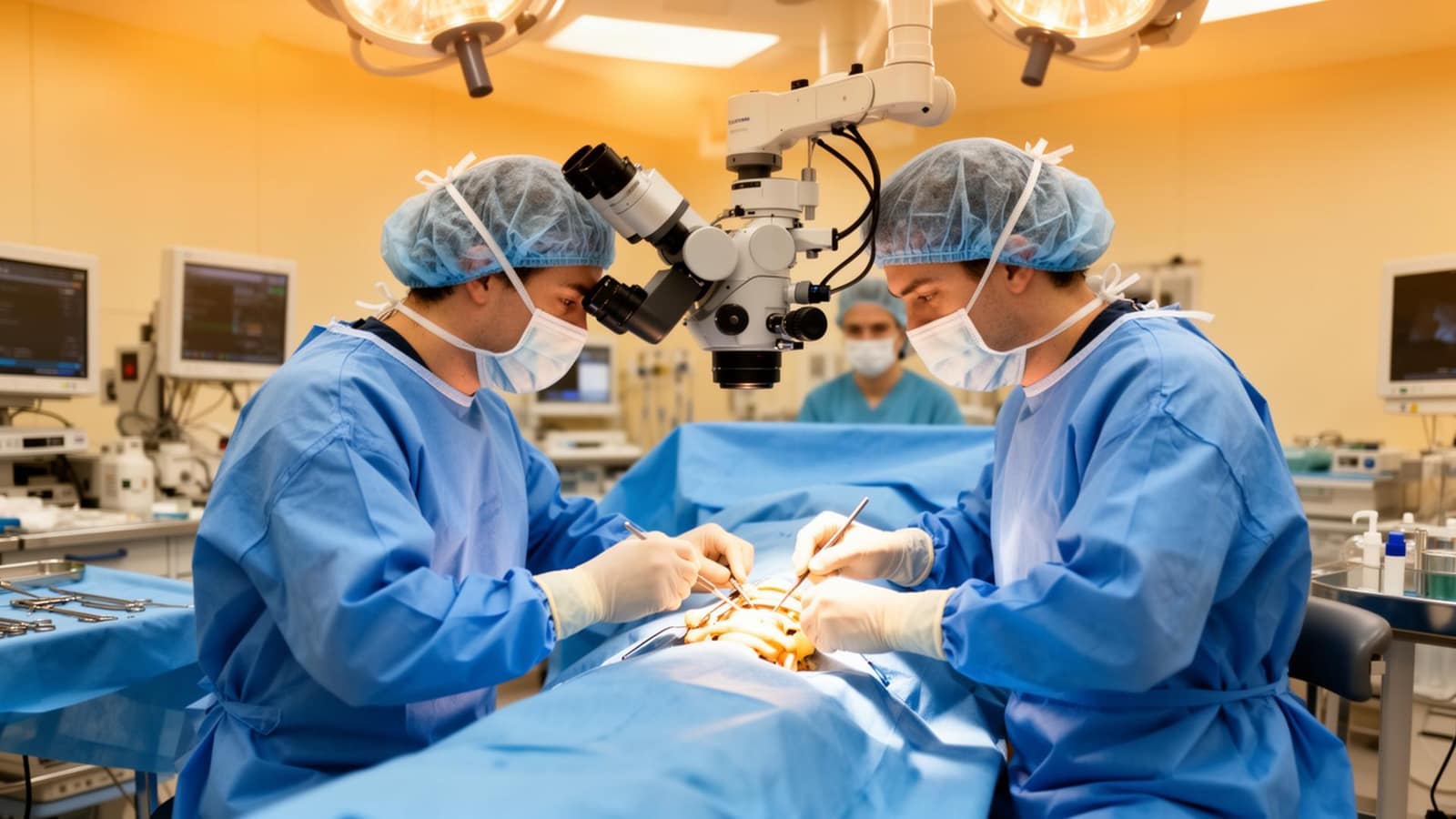
Open cerebrovascular surgery encompasses some of the most technically demanding procedures in neurosurgery. These operations treat life-threatening blood vessel conditions of the brain, including moyamoya disease, complex aneurysms, and arteriovenous malformations.
Why Open Surgery?
While endovascular (catheter-based) treatments have expanded, open surgery remains essential for:
- Complex aneurysms not suitable for coiling
- Arteriovenous malformations requiring complete removal
- Moyamoya disease requiring bypass
- Giant or fusiform aneurysms
- Failed endovascular treatments
Cerebral Bypass Surgery
What is a Cerebral Bypass?
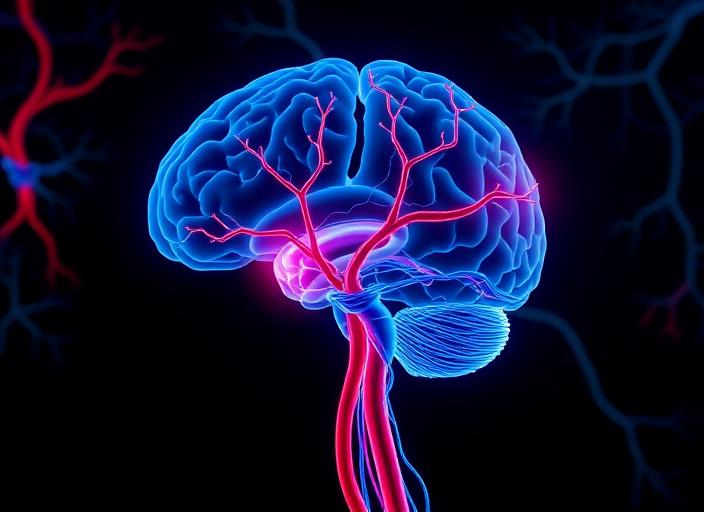
A cerebral bypass creates a new pathway for blood to reach the brain, similar to coronary bypass surgery for the heart. The most common type connects the superficial temporal artery (STA) from the scalp to the middle cerebral artery (MCA) on the brain surface.
Types of Bypass
Direct Bypass (STA-MCA)
- Surgeon directly connects two arteries using microsurgical suturing
- Immediate blood flow augmentation
- Used for moyamoya disease and before vessel sacrifice
Indirect Bypass (EDAS, EMS, Omental Flap)
- Vascularized tissue is placed on the brain surface
- New blood vessels grow from the tissue into the brain over weeks to months
- Less technically demanding but slower to take effect
- Often used in pediatric moyamoya
High-Flow Bypass
- Uses a vein graft for larger volume blood flow
- Required for giant aneurysms needing parent vessel sacrifice
- More complex but provides greater flow capacity
Moyamoya Disease
Moyamoya is a progressive condition where the major arteries at the base of the brain narrow:
- Causes strokes and TIAs, especially in children and young adults
- Name means "puff of smoke" in Japanese (appearance on angiogram)
- Bypass surgery is the primary treatment
- Both direct and indirect bypass may be used
Aneurysm Surgery
When is Open Clipping Needed?
Open surgical clipping of cerebral aneurysms involves:
- Craniotomy to access the brain
- Microsurgical dissection to expose the aneurysm
- Placement of a titanium clip at the aneurysm neck
- Confirmation of complete exclusion and vessel patency
Open clipping is preferred for:
- Wide-necked aneurysms
- Aneurysms with important branches arising from the dome
- Middle cerebral artery aneurysms
- Aneurysms with associated hematoma
- Failed endovascular treatment
Ruptured vs. Unruptured Aneurysms
- Ruptured: Emergency surgery to prevent rebleeding; often combined with hematoma evacuation
- Unruptured: Elective surgery based on size, location, and patient factors
AVM Resection
What is an AVM?
An arteriovenous malformation is an abnormal tangle of blood vessels connecting arteries directly to veins, bypassing the normal capillary bed. They carry a risk of hemorrhage, seizures, and neurological deficits.
Surgical Treatment
Complete surgical resection eliminates the hemorrhage risk:
- Spetzler-Martin grading system guides surgical decision-making
- Pre-operative embolization may reduce blood flow before surgery
- Microsurgical techniques isolate and remove the entire AVM
- Intraoperative angiography confirms complete removal
Our Cerebrovascular Expertise
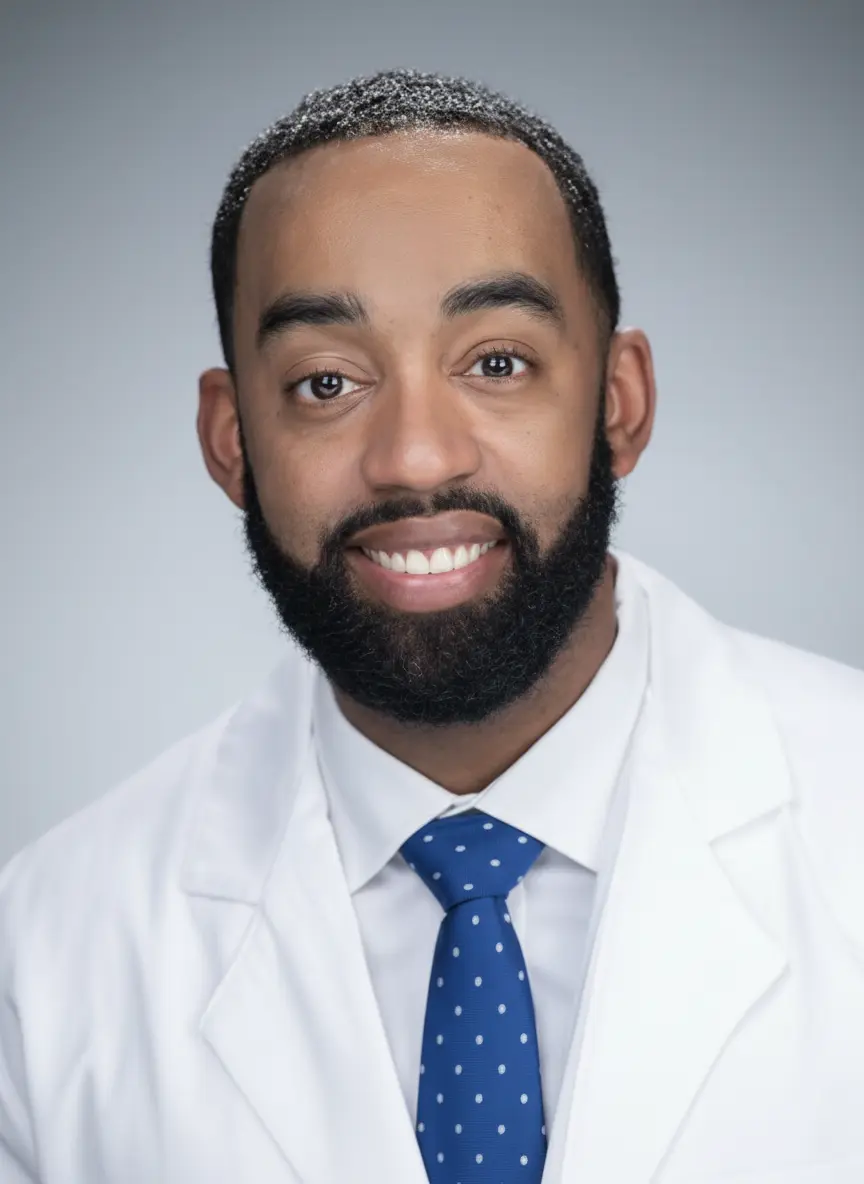
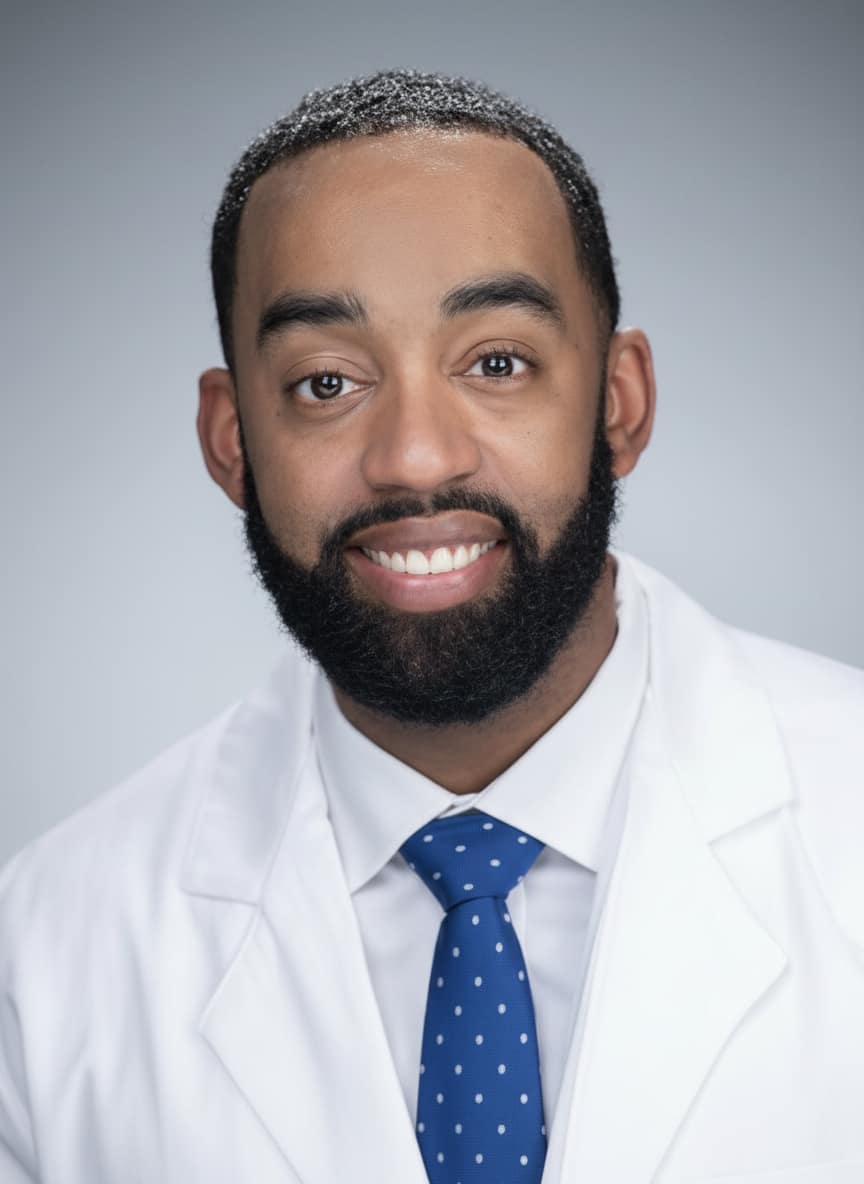
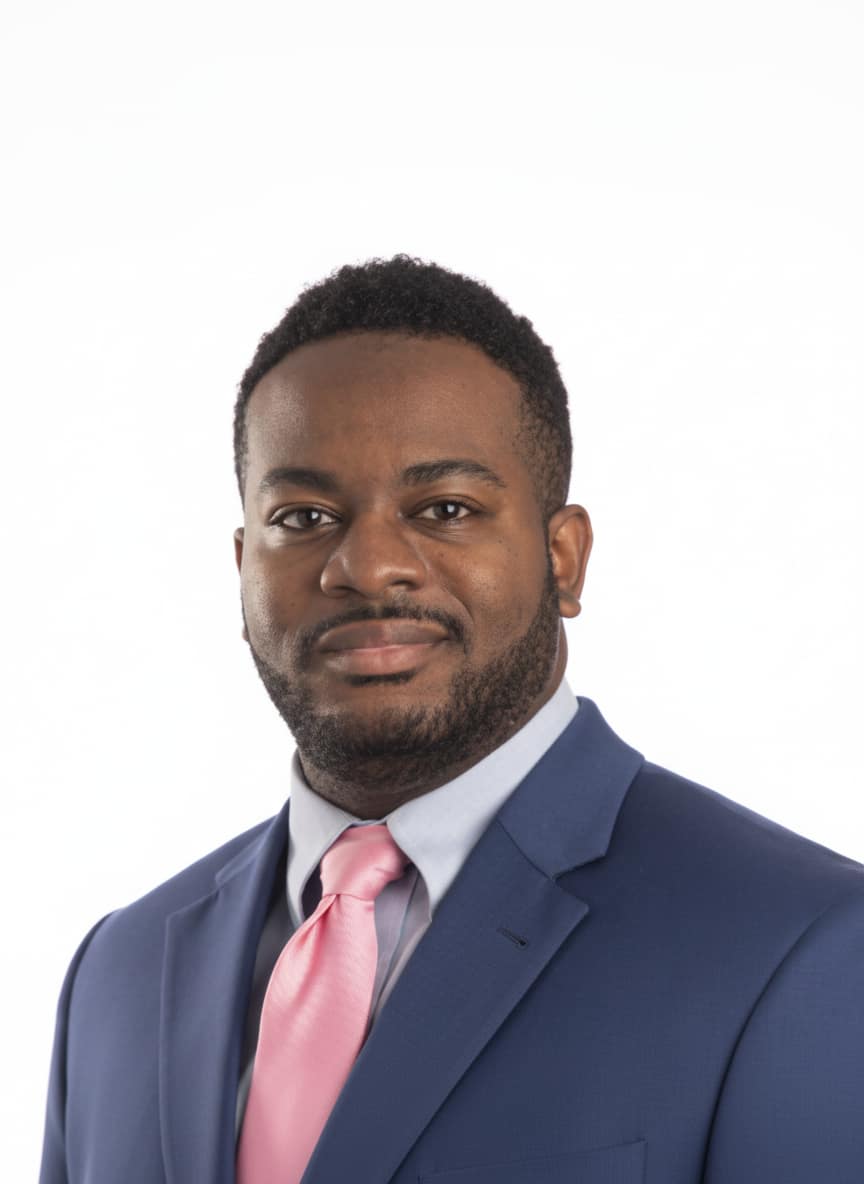
Dr. Marcus Stephens completed advanced fellowship training in cerebrovascular surgery. His expertise encompasses the full spectrum of open vascular neurosurgery, providing patients in Hampton, GA and Southern Georgia access to these specialized procedures.
Call (770) 297-8133 to schedule a consultation.
Related Topics
Dr. Marcus Stephens
Board-Certified Neurosurgeon, Skull Base & Cerebrovascular Specialist
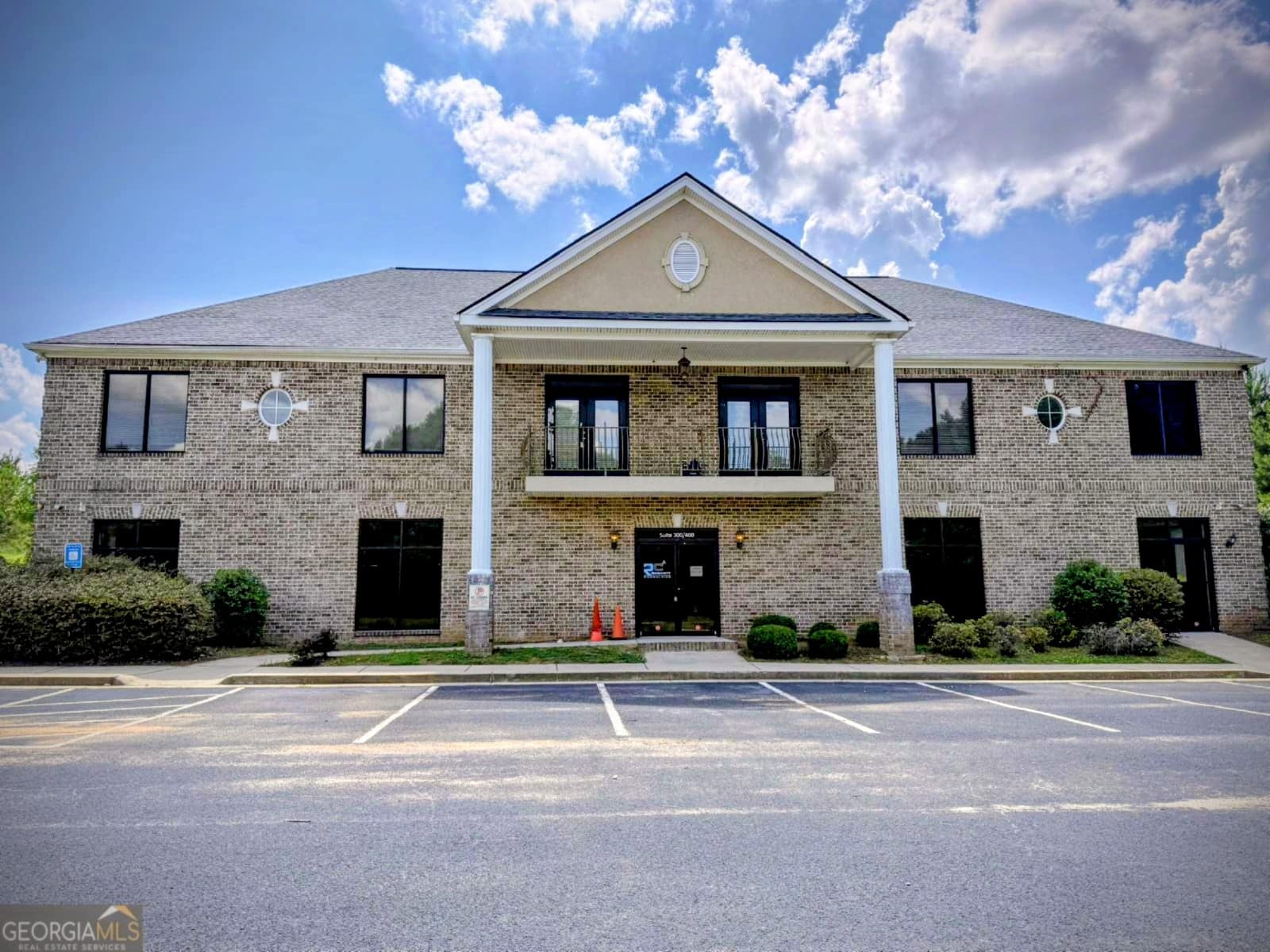
Board-certified neurosurgeon at Nova Brain and Spine of GA, providing expert care in Hampton, Georgia.
Ready to Take the Next Step?
Our board-certified neurosurgeons are here to help. Explore your options or schedule a consultation today.