





Recognizing Brain Tumor Symptoms
Brain tumors can cause a wide variety of symptoms depending on their size, location, and rate of growth. While many of these symptoms can also be caused by other, less serious conditions, it's important to be aware of warning signs that warrant medical evaluation.
Common Warning Signs
Headaches
Brain tumor-related headaches often have specific characteristics:
- Worse in the morning or wake you from sleep
- More severe when lying down
- Accompanied by nausea or vomiting
- Different from your typical headaches
- Progressively worsening over weeks or months
- Not responding to usual headache medications
Cognitive and Personality Changes
- Difficulty concentrating or thinking clearly
- Memory problems
- Confusion
- Personality or behavior changes
- Depression or anxiety
Neurological Symptoms
- Seizures (especially new-onset in adults)
- Vision problems (blurred, double vision, or loss of peripheral vision)
- Hearing loss or ringing in the ears
- Balance and coordination difficulties
- Weakness or numbness in face, arm, or leg
- Speech difficulties
Other Symptoms
- Nausea and vomiting (especially in the morning)
- Fatigue
- Gradual loss of movement or sensation
- Hormonal changes
Types of Brain Tumors
Primary Brain Tumors
These originate in the brain and include:
- Gliomas: Arise from glial cells (astrocytomas, oligodendrogliomas)
- Meningiomas: Develop from the brain's protective membranes
- Pituitary adenomas: Form in the pituitary gland
- Acoustic neuromas: Affect the hearing nerve
Metastatic Brain Tumors
These spread to the brain from cancers in other parts of the body, most commonly from:
- Lung cancer
- Breast cancer
- Melanoma
- Kidney cancer
- Colon cancer
When to See a Doctor
Seek medical attention if you experience:
- New, persistent headaches with unusual characteristics
- Sudden onset of seizures
- Progressive neurological symptoms
- Personality changes noticed by family members
- Any symptoms that concern you
Seek immediate emergency care for:
- Sudden, severe headache ("worst headache of my life")
- Seizures
- Sudden vision loss
- Sudden weakness or numbness
Diagnosis and Evaluation
If a brain tumor is suspected, your doctor may order:
- Neurological examination: Tests of vision, hearing, balance, coordination, and reflexes
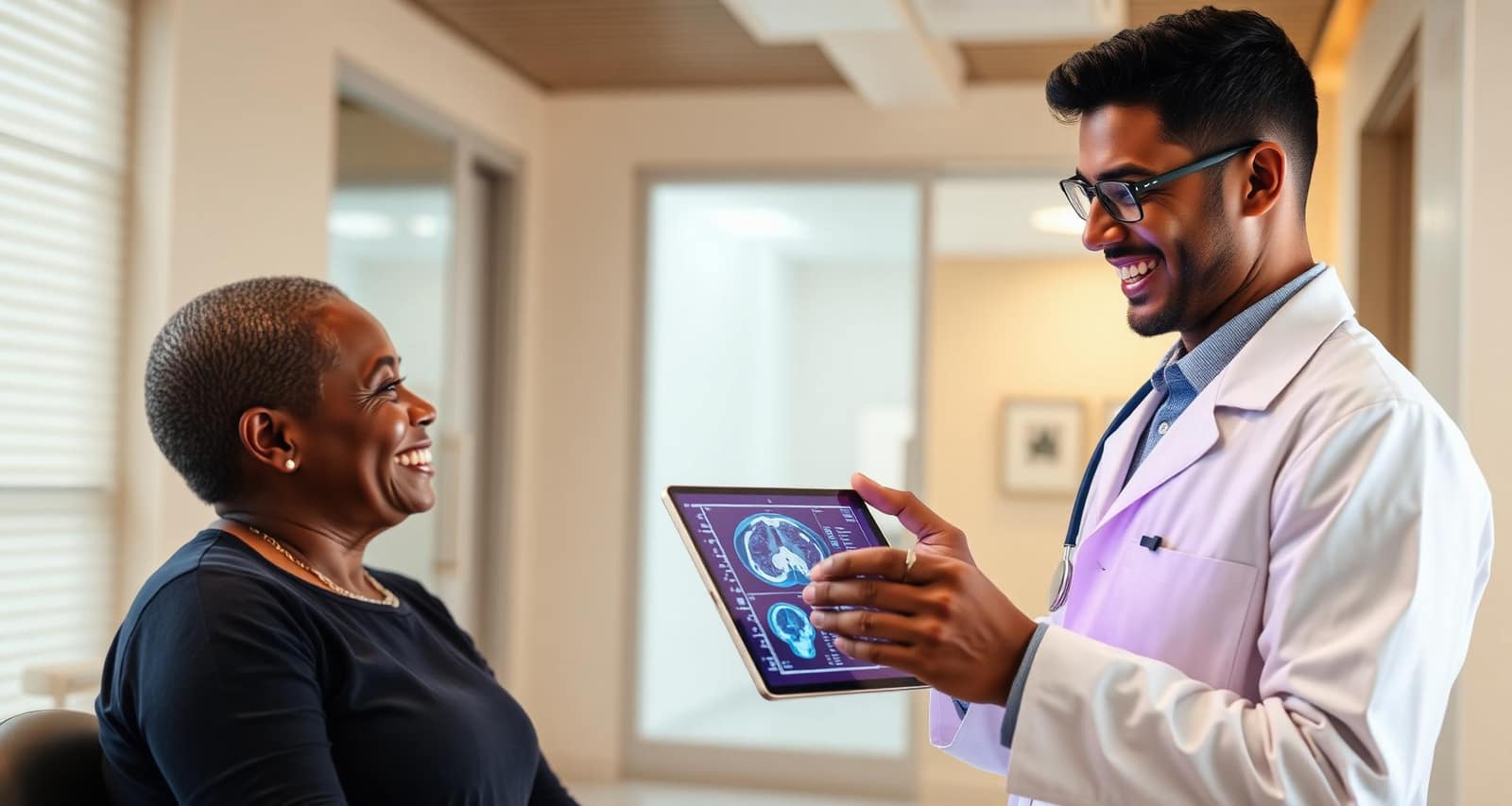
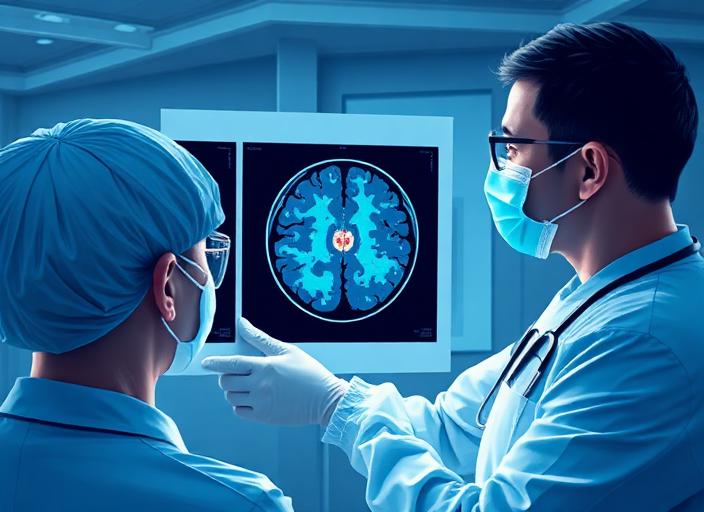
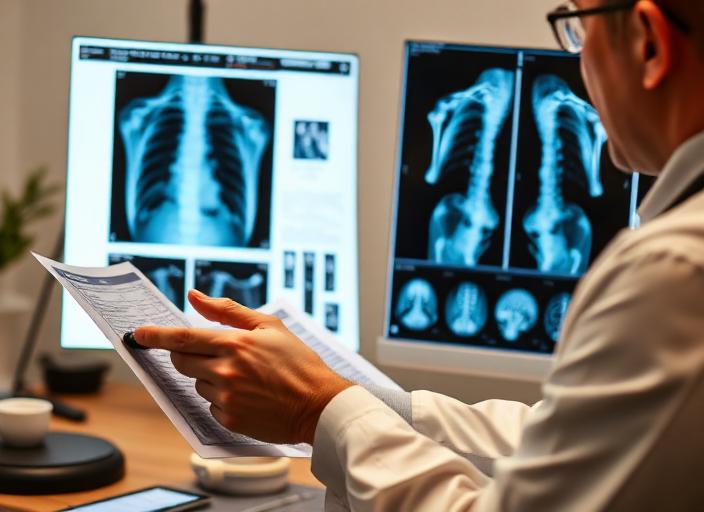
- MRI scan: The primary imaging tool for brain tumors
- CT scan: May be used for initial evaluation or if MRI isn't available
- Biopsy: To determine the tumor type and grade
Treatment Options
Treatment depends on the tumor type, location, size, and your overall health.
Surgical Treatment
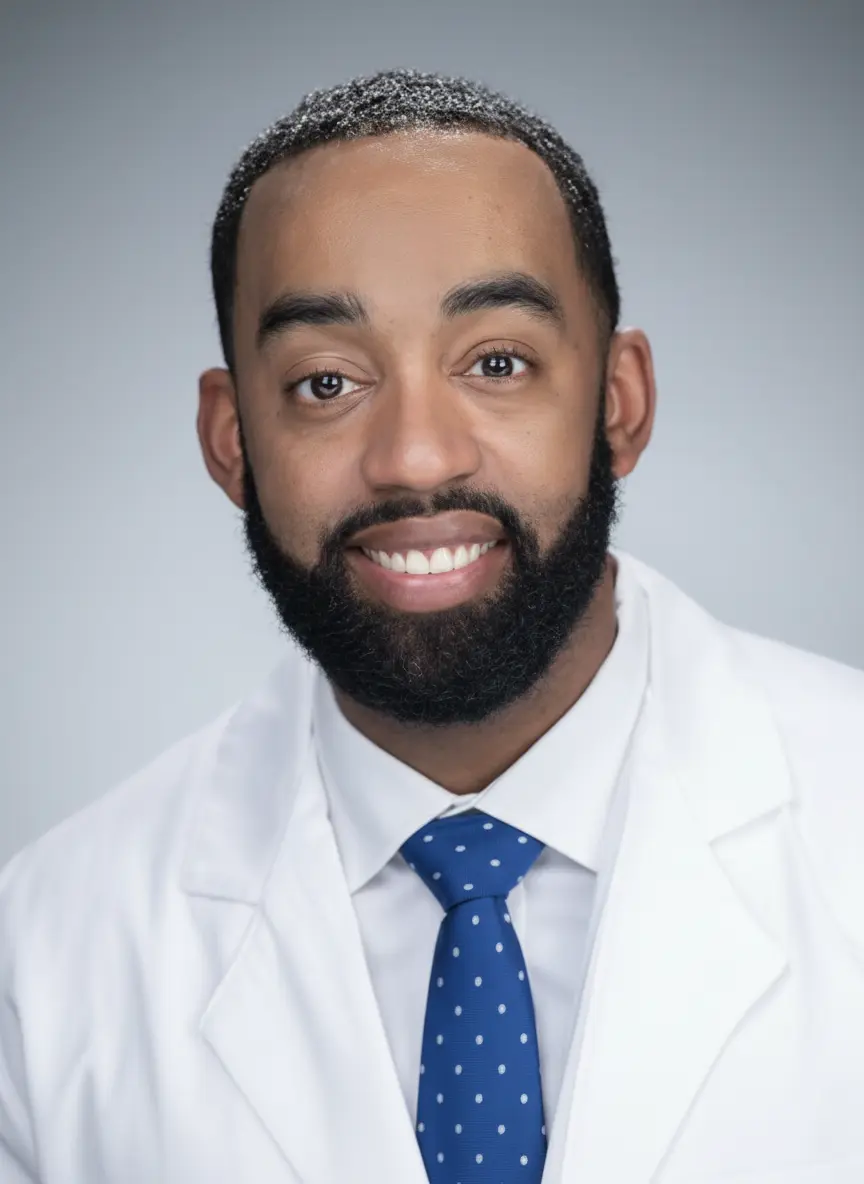
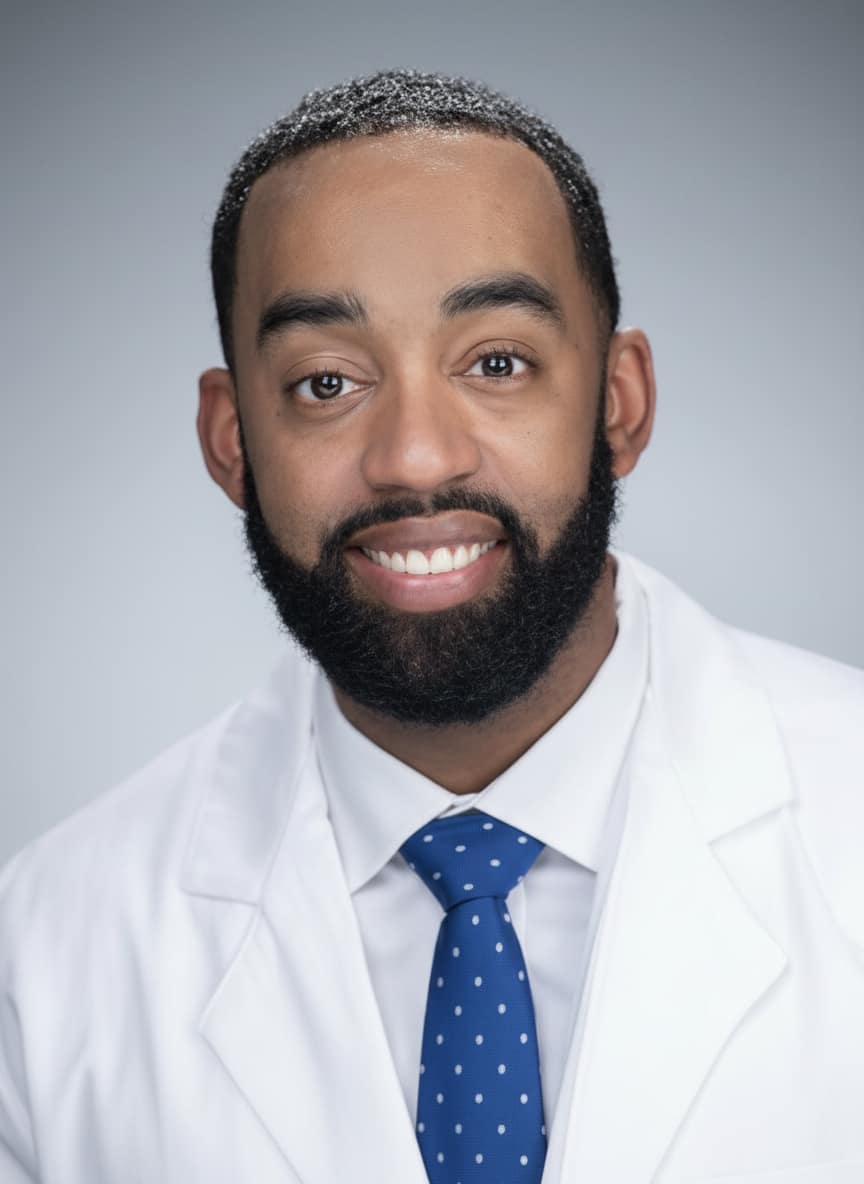
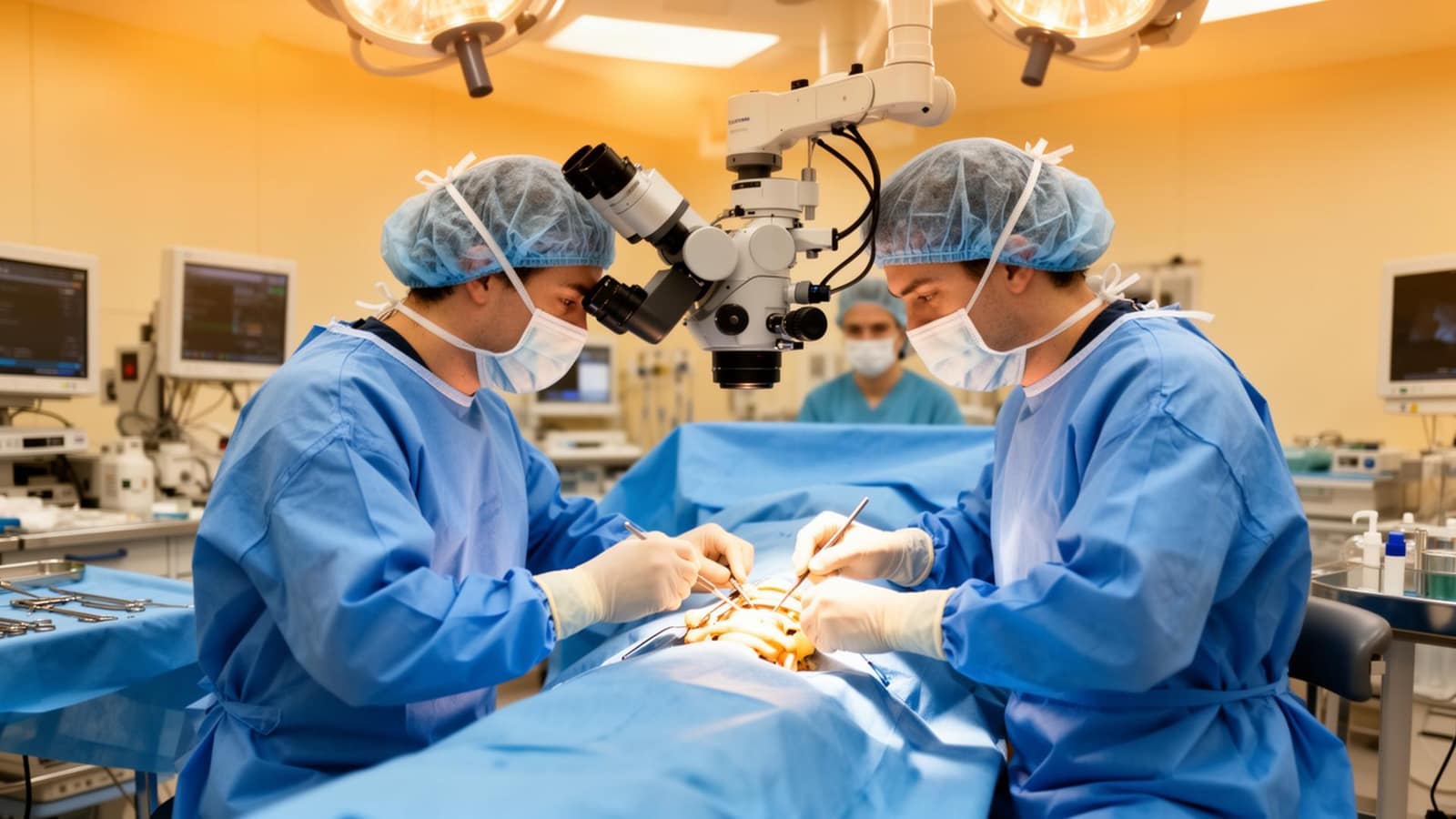
At Nova Brain and Spine of GA, Dr. Marcus Stephens specializes in brain tumor surgery using advanced techniques:
- Craniotomy: Surgical removal through an opening in the skull
- Endoscopic surgery: For certain tumor locations
- Awake craniotomy: Allows monitoring of brain function during surgery
- Stereotactic surgery: Computer-guided precision
Additional Treatments
- Radiation therapy: Including stereotactic radiosurgery
- Chemotherapy: For certain tumor types
- Targeted therapy: Drugs that target specific tumor characteristics
The Importance of Early Detection
Early detection of brain tumors often leads to:
- More treatment options
- Better surgical outcomes
- Improved quality of life
- Better long-term prognosis
Get a Second Opinion
If you or a loved one has been diagnosed with a brain tumor, a second opinion can provide peace of mind and ensure you're aware of all treatment options.
Nova Brain and Spine of GA offers MRI reviews and second opinions from Dr. Marcus Stephens, a fellowship-trained neurosurgeon specializing in brain tumors.
Call (770) 297-8133 to schedule your consultation.
Related Topics
Dr. Marcus Stephens
Board-Certified Neurosurgeon, Skull Base & Cerebrovascular Specialist
Board-certified neurosurgeon at Nova Brain and Spine of GA, providing expert care in Hampton, Georgia.
Ready to Take the Next Step?
Our board-certified neurosurgeons are here to help. Explore your options or schedule a consultation today.